Author: Gary Zhou

Tesla’s Emotional Farewell: Model S and X Production Ends with Massive Price Hikes and “Sentimental Value” Premiums

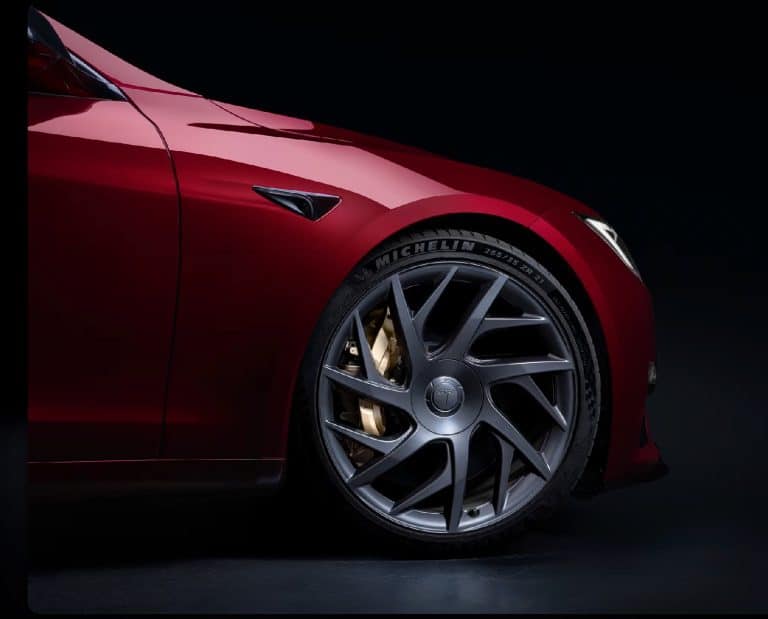
In a move that’s sending shockwaves through the EV community, Tesla has officially pulled the plug on its iconic Model S sedan and Model X SUV. Production has ceased, custom orders are closed, and only a dwindling inventory of around 600 units remains worldwide. CEO Elon Musk, who once kept these flagships alive for “sentimental reasons,” is now giving them an “honorable discharge.” But here’s the twist: Tesla isn’t slashing prices to clear stock. Instead, they’ve jacked them up by about $15,000 on remaining new and demo units, bundling in premium perks to capitalize on nostalgia and scarcity. Is this genius branding or opportunistic pricing? Let’s dive deep into what this means for buyers, owners, collectors, and Tesla’s future.

Tesla Model Y L Storming Asia: The Stretched Family EV That’s Set to Dominate Urban Roads

Tesla has always been at the forefront of electric vehicle innovation, but the launch of the Model Y L in eight key Asian markets marks a pivotal moment for family-oriented EVs. Announced recently, ordering is now open in Japan, South Korea, Hong Kong, Macau, Singapore, Thailand, Malaysia, and the Philippines. This stretched variant of the wildly popular Model Y isn’t just a minor refresh—it’s a purpose-built machine for the region’s booming urban families craving space, efficiency, and tech without compromise.

Skyrocketing Gas Prices in 2026: Why It’s Time to Ditch Gas Cars for EVs and Save Thousands

If you’re feeling the pinch every time you fill up your tank, you’re not alone. As of early April 2026, the national average price for a gallon of regular gasoline has surged to $4.09 – that’s a staggering 33% jump year-over-year. This isn’t just a blip; it’s the fallout from the 2026 oil crisis, the latest in a string of disruptions (2008 financial crash, 2022 Ukraine war, and now this) that expose our dangerous dependence on volatile global oil supplies. Drivers are spending hundreds more per month on fuel, but there’s a silver lining: electric vehicles (EVs) are surging in popularity, offering massive savings and immunity to oil shocks. In this deep dive, we’ll unpack the crisis, crunch the numbers on EV savings, spotlight the best deals, and give you actionable advice to make the switch.

Tesla Model Y’s Glass Roof: The Ultimate Test – Surviving Iranian Missile Debris in Israel

In a world where geopolitical tensions can turn everyday life into a battlefield, one vehicle’s engineering feat has captured global attention. On March 30, 2026, amid Iranian missile barrages on Israel, a Tesla Model Y in Netanya stood unyielding against a direct hit from explosive debris. The panoramic glass roof, far from shattering into deadly shards, absorbed the impact, formed a deep crater, and deflected the fragment harmlessly to the ground. This isn’t just a lucky escape—it’s a testament to Tesla’s relentless pursuit of safety through innovation.

Elon Musk Calls Bloomberg’s $2 Trillion SpaceX IPO Report “BS”: Unpacking the Hype, Valuations, and What Comes Next

In the high-stakes world of space exploration and billionaire entrepreneurs, few stories generate as much electricity as SpaceX’s long-anticipated IPO. On April 2, 2026, Bloomberg dropped a bombshell report claiming SpaceX had confidentially filed for an IPO, initially targeting a staggering $1.75 trillion valuation and later boosting it above $2 trillion—potentially raising up to $75 billion in the largest public offering ever. Influencer Mario Nawfal quickly amplified the news on X, igniting a firestorm of speculation. But Elon Musk, never one to mince words, swiftly dismissed it as “BS” on the platform, urging followers, “Don’t believe everything.”

Starship IFT-12: Elon Musk’s 4-6 Week Countdown to V3 Revolution – Breaking the Hiatus and Aiming for 200t to Orbit

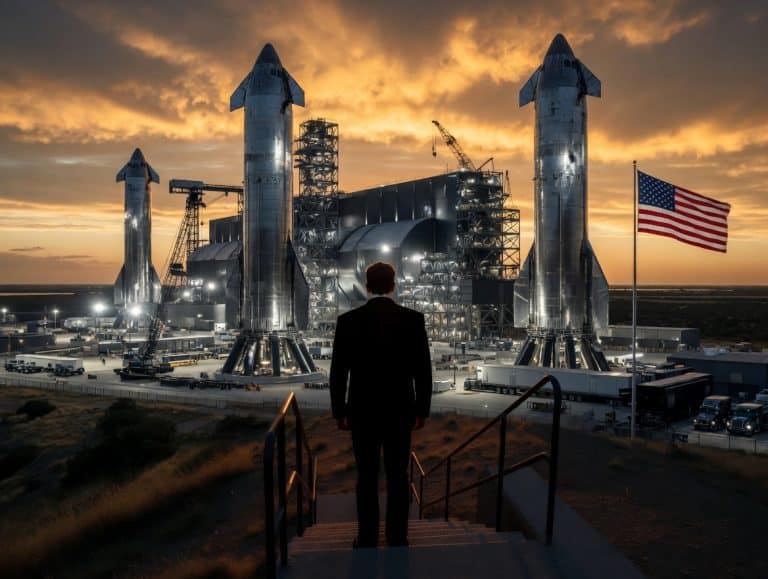
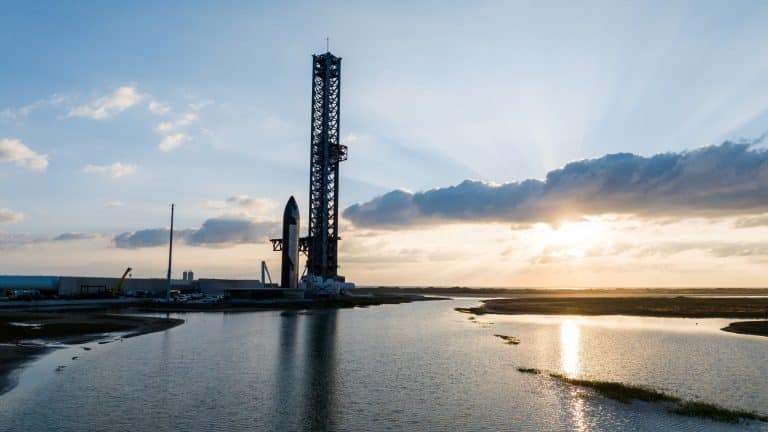
SpaceX enthusiasts, buckle up! On April 3, 2026, Elon Musk dropped a bombshell on X (formerly Twitter): Starship Integrated Flight Test 12 (IFT-12) – the maiden voyage of the fully upgraded Version 3 (V3) Starship and Super Heavy Booster – is just 4-6 weeks away, targeting early to mid-May 2026. This announcement ends a nerve-wracking 6-month launch drought since IFT-11 in October 2025, signaling SpaceX’s relentless push toward operational reusability. As a space industry blogger with over a decade tracking Elon Musk’s ventures, I see IFT-12 not just as a test flight, but as the pivotal moment where Starship transitions from prototype to powerhouse – potentially slinging 200 metric tons to low Earth orbit (LEO) in reusable configuration.

SpaceX’s Unrivaled Rise: Securing $178.5M Space Force Contract for SDA-4 Missile-Tracking Satellites Amid 60% NSSL Phase 3 Dominance

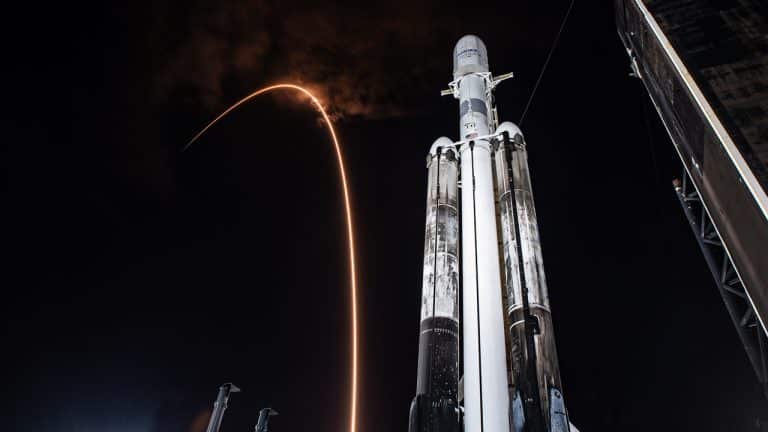
In the high-stakes arena of national security space launches, SpaceX continues to solidify its position as the undisputed leader. On April 1, 2026, the U.S. Space Force’s Space Systems Command (SSC) awarded SpaceX a $178.5 million task order under the National Security Space Launch (NSSL) Phase 3 Lane 1 program. This contract, dubbed SDA-4, will see two Falcon 9 rockets loft dozens of Sierra Space-built missile-tracking satellites into orbit starting in the third quarter of fiscal year 2027—one from Cape Canaveral Space Force Station in Florida and another from Vandenberg Space Force Base in California.

Tesla’s Q1 2026 Shake-Up: Weak Deliveries Mask a Monumental Pivot to Robots and AI

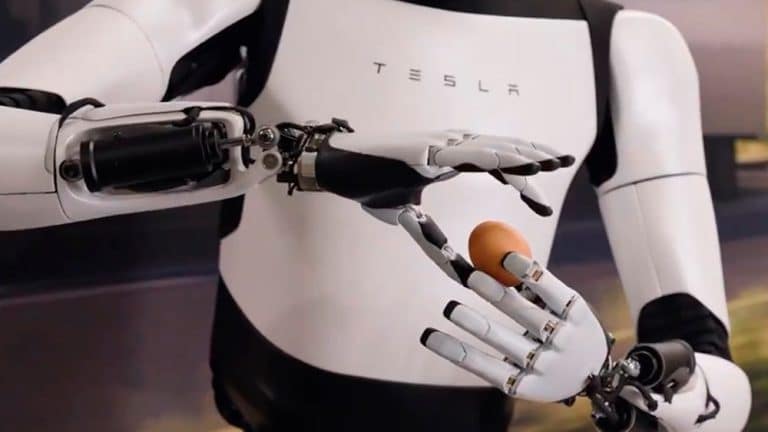
Tesla’s latest quarterly update has Wall Street scratching its heads, but for those paying close attention, it’s a clear signal of the company’s audacious transformation. On April 2, 2026, Tesla reported Q1 deliveries of 358,023 vehicles—a 6% year-over-year increase from 336,681 in Q1 2025, yet a sharp sequential drop from 418,227 in Q4 2025. Production clocked in at a robust 408,386 vehicles, outpacing deliveries and swelling inventory, while energy storage deployments hit 8.8 GWh—down 38% from Q4 2025’s record 14.2 GWh but still a testament to growing demand in that segment. These numbers missed analyst consensus of around 365,000 deliveries, triggering a stock dip of over 4%.

Artemis II Ignites the Cosmos: NASA’s Bold Return to the Moon After 54 Years

On April 1, 2026, the roar of the Space Launch System (SLS) rocket echoed across Kennedy Space Center, propelling NASA’s Orion spacecraft—affectionately named Integrity by its crew—into the heavens. This wasn’t just another rocket launch; it marked the first crewed mission to the Moon since Apollo 17 touched down in 1972. As a space enthusiast and blogger who’s followed the Artemis program from its uncrewed Artemis I test in 2022, I can tell you: this moment feels like the dawn of a new space age. Artemis II isn’t about planting boots on lunar soil just yet—it’s a daring 10-day flyby that will push Orion’s systems to their limits in deep space, setting the stage for humanity’s sustainable return to the Moon and beyond.

SpaceX’s Monumental $1.75 Trillion IPO: The Dawn of a New Era in Space and AI

Elon Musk’s SpaceX has just taken what could be the biggest step yet toward becoming a publicly traded behemoth. On April 1, 2026, reports emerged that the company confidentially filed paperwork with the U.S. Securities and Exchange Commission (SEC) for an initial public offering (IPO), eyeing a jaw-dropping valuation of $1.75 trillion and a potential listing as early as June. This would shatter records, dwarfing even the most massive tech IPOs in history and positioning SpaceX ahead of nearly every company on the S&P 500—except Nvidia, Apple, Alphabet, Microsoft, and Amazon.

Load more