Author: Gary Zhou

Tesla’s Optimus Revolution: From Fremont Pilot to Giga Texas Mega-Factory – The Dawn of 10 Million Robots Per Year

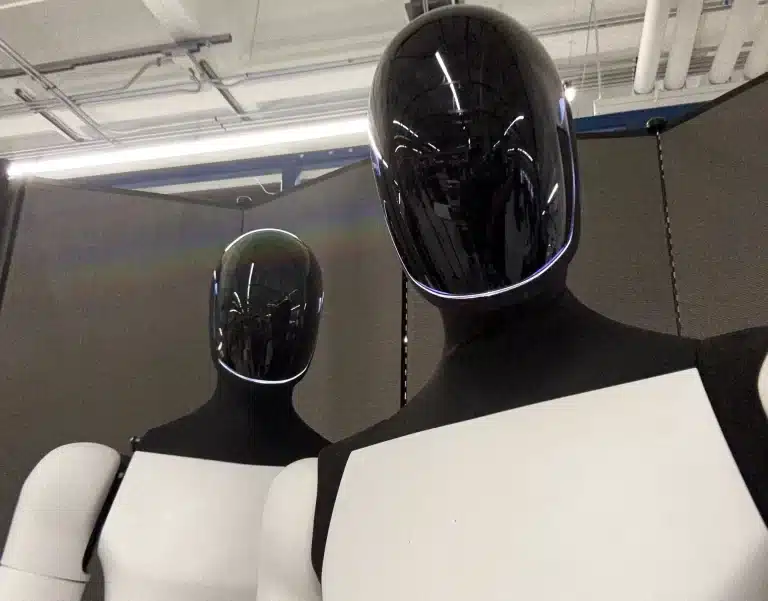
As a seasoned tech blogger specializing in Tesla’s ambitious ventures into AI, robotics, and electric mobility, I’ve been tracking Optimus since its unveiling. The humanoid robot isn’t just a side project—it’s poised to be Tesla’s “biggest product ever,” as Elon Musk recently proclaimed during the Q1 2026 earnings call. Tesla’s latest Q1 2026 Update letter drops bombshells: production is ramping at Fremont, a massive Optimus factory is prepping at Giga Texas, and AI5 chips are taped out for inference. With aerial imagery, permits, and bold timelines, this isn’t hype—it’s happening. In this deep dive, we’ll unpack the details, analyze the strategy, and explore what it means for a robot-filled future. Buckle up; the robot apocalypse (the good kind) is here.

Tesla Roadster: Elon Musk’s Bold Bet on Manual Driving in a Full-Self-Driving World

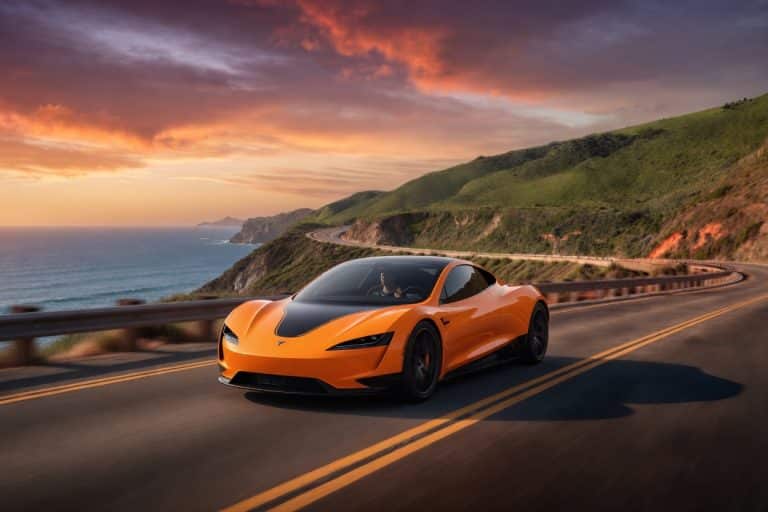
In the ever-evolving landscape of electric vehicles, where autonomy reigns supreme, Tesla CEO Elon Musk dropped a game-changing revelation during the Q1 2026 earnings call: the highly anticipated new Tesla Roadster will be the only manually driven car in Tesla’s future lineup. This isn’t just a spec update—it’s a philosophical statement on the future of driving, blending blistering performance with a nod to purist enthusiasts. As Tesla pivots hard toward Robotaxi fleets and Optimus humanoid robots, the Roadster stands as a rebellious outlier. In this deep dive, we’ll unpack Musk’s comments, dissect the specs, timeline drama, pricing hurdles, and what this means for gearheads in an autonomous era.

SpaceX’s Meteoric Shift: Rockets to AI Supremacy with xAI Merger, Orbital Supercomputers, and a $60B Cursor Gambit

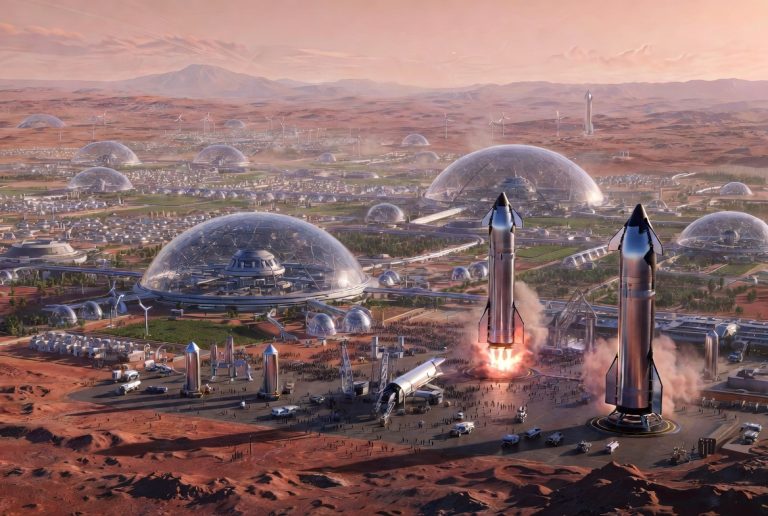
In the ever-accelerating world of technology, few companies embody disruption like SpaceX. Founded in 2002 with the audacious goal of making humanity multi-planetary through routine spaceflight, SpaceX has long been synonymous with reusable rockets, Starship megalaunches, and Starlink’s global internet constellation. But as of April 2026, Elon Musk’s flagship enterprise is undergoing a profound transformation—mirroring Tesla’s pivot from electric vehicles to AI and robotics dominance. SpaceX is no longer just a space company; it’s morphing into the ultimate AI infrastructure juggernaut, leveraging orbital real estate to sidestep Earth’s terrestrial bottlenecks.

Tesla’s Game-Changing Sourcewell Partnership: Unlocking EV Sales to 50,000+ U.S. Government Agencies

In a move that’s set to supercharge the electrification of public fleets across America, Tesla has inked a master purchasing agreement with Sourcewell, the nation’s largest cooperative purchasing organization. This deal, under contract #081325-TES, eliminates bureaucratic hurdles, offering pre-negotiated pricing on popular models like the Model 3, Model Y, Cybertruck, and more to over 50,000 government agencies, school districts, and nonprofits. As government fleets face mounting pressure to go green amid 2026 sustainability mandates, this partnership couldn’t come at a better time. It’s not just about selling cars—it’s a blueprint for slashing costs, speeding up procurement, and paving the way for widespread EV adoption.

SpaceX’s $60 Billion Gamble on Cursor AI: The Dawn of a Coding Superintelligence Era?

In a move that’s sending shockwaves through the tech world, SpaceX has inked a blockbuster option agreement to acquire AI coding powerhouse Cursor for a staggering $60 billion. But this isn’t just a straight buyout—it’s a strategic masterstroke with $10 billion committed upfront for joint development. As a blogger who’s been tracking Elon Musk’s empire for over a decade, from reusable rockets to neural interfaces, I see this as SpaceX pivoting from pure space hardware to software dominance. Buckle up; this could redefine how we code, work, and invest in the AI arms race.

Elon Musk’s Unbreakable Control: Decoding SpaceX’s Dual-Class IPO Strategy and the $1.75 Trillion Launch

As a veteran tech and space industry blogger with over a decade tracking Elon Musk’s ventures—from Tesla’s electric revolution to Neuralink’s brain-machine dreams—I’ve seen founder-led companies redefine industries. But SpaceX’s impending IPO stands apart. Valued at a staggering $1.75 trillion and poised to raise $75 billion, this could eclipse every public debut in history, including Saudi Aramco’s 2019 record. At its core? A dual-class share structure that locks in Musk’s dominance, granting him 79% voting control even after public markets flood in. Is this a masterstroke of visionary leadership or a red flag for investors? Let’s dive deep into the prospectus details, Starlink’s profitability surge, historical context, and what it means for your portfolio.

SpaceX’s $1.75 Trillion IPO Looms: ARK Invest’s Guide Reveals Why Starlink, Starship, and Orbital AI Could Make It the Biggest Ever

As a space tech investor and blogger who’s tracked Elon Musk’s ventures since the early days of Falcon 1, I’ve seen bold predictions come and go. But ARK Invest’s latest SpaceX valuation guide has me genuinely excited—and yes, a bit bullish. They’re justifying a staggering $1.75 trillion IPO valuation for SpaceX, positioning it as the crown jewel of their Venture Fund (a whopping 17% holding). With Starlink smashing records, Starship revolutionizing costs, and a game-changing xAI merger unlocking orbital data centers, this isn’t hype—it’s a glimpse at the multi-trillion-dollar future of space. Today, on April 21, 2026, with the S-1 prospectus imminent ahead of a June roadshow, let’s dive deep into the data, projections, and what it means for investors.

Elon Musk’s Brutal Honesty: Tesla Ditches Optimus Hand Patent That “Didn’t Actually Work” – A Deep Dive into Robotics’ Toughest Challenge

In the fast-paced world of humanoid robotics, few moments capture the raw reality of innovation like Elon Musk’s late-night X post on April 19, 2026. Responding to buzz around a freshly published Tesla Optimus hand patent, Musk dropped a bombshell: “We already changed the design. This one didn’t actually work.” Just days after the patent hit public view – detailed in international filings around April 16 – Tesla admitted the design bombed in real-world tests. This isn’t hype deflation; it’s a masterclass in engineering transparency from a company racing toward production-ready humanoid robots.

NASA Awards SpaceX $175.7M Falcon Heavy Contract for ESA’s Rosalind Franklin Mars Rover – A Bold Move Amid Crushing Budget Cuts

In a surprising twist that’s got the space community buzzing, NASA has handed SpaceX a landmark $175.7 million contract to launch the European Space Agency’s (ESA) Rosalind Franklin Mars rover aboard a Falcon Heavy rocket no earlier than late 2028. Signed on April 16, 2026, this deal marks SpaceX’s first-ever Mars payload launch, a pivotal moment for Elon Musk’s vision of making humanity multi-planetary. But here’s the kicker: this comes just weeks after the White House proposed obliterating funding for NASA’s ROSA (Rosalind Franklin support) mission in its FY2027 budget request. It’s a stark paradox – NASA forging ahead with concrete commitments while facing potential fiscal annihilation. As a space blogger with over a decade tracking interplanetary ambitions, I see this as a testament to the enduring momentum of Mars science, bureaucratic resilience, and SpaceX’s unbeatable pricing edge.

Tesla’s Optimus Robot Cheers On Boston Marathon Runners: A Historic Public Debut on the Road to Mass Humanoid Adoption

Imagine this: As thousands of exhausted runners push through the final grueling mile of the world’s oldest annual marathon, a sleek humanoid robot waves enthusiastically from the sidelines, cheering them on and striking poses for selfies. This isn’t science fiction—it’s happening right now at the 2026 Boston Marathon. Tesla’s Optimus robot has taken its place at the company’s 888 Boylston Street showroom in Boston, offering a tantalizing preview of the robotics revolution that’s barreling toward us.

Load more