SpaceX’s $1.75 Trillion IPO Looms: ARK Invest’s Guide Reveals Why Starlink, Starship, and Orbital AI Could Make It the Biggest Ever
Key Takeaways
- ARK Invest’s SpaceX guide justifies a $1.75T IPO valuation, with SpaceX as their top 17% Venture Fund holding.
- Starlink exceeds 10M subscribers in early 2026, projecting >$20B revenue; taps $160B annual satellite market with record telecom growth.
- SpaceX slashed launch costs from $15,600/kg (2008) to <$1,000 today; Starship aims for sub-$100/kg, with 165 missions in 2025 capturing 85% global launches.
- February 2026 xAI merger enables orbital data centers: 25% cheaper compute than ground, no grid/permitting/land issues; targets 100GW AI capacity/year from orbit.
- $1.75T valuation at 95x trailing revenue factors Starlink growth, Starship costs, and orbital compute; S-1 prospectus due pre-June roadshow to verify.
- SpaceX’s track record—reusable rockets and viable Starlink—defied skeptics, earning benefit of the doubt for bold projections.
bold predictions have come and gone But ARK Invest’s latest SpaceX valuation guide has me genuinely excited—and yes, a bit bullish. They’re justifying a staggering$1.75 trillion IPO valuationfor SpaceX, positioning it as the crown jewel of their Venture Fund (a whopping 17% holding).❶ ❷With Starlink smashing records, Starship revolutionizing costs, and a game-changing xAI merger unlocking orbital data centers, this isn’t hype—it’s a glimpse at the multi-trillion-dollar future of space. Today, on April 21, 2026, with the S-1 prospectus imminent ahead of a June roadshow, let’s dive deep into the data, projections, and what it means for investors.❸
Starlink’s Explosive Growth: From Niche to $20B Revenue Powerhouse
Starlink isn’t just a side hustle anymore—it’s SpaceX’s cash cow. In early 2026, it quietly surpassed10 million active subscribers, a milestone hit without fanfare but with massive implications.❹ ❺That’s up from 8 million in late 2025, adding over 4.6 million new users in a single year across 35 countries.❻
Key Stats and Projections
- Subscriber Ramp: Daily adds hit 19.6k-20k, with maritime and aviation segments exploding. Analysts now peg 2026 revenue at $15.9B-$20B+, tapping into a $160B annual satellite broadband market amid global telecom surges. ❼
- Global Reach: Service in 160+ countries/territories, with projections for 18M-25M users by year-end (including mobile). ❽ ❾
- Monetization Edge: ARPU (average revenue per user) climbing to $100+/month in enterprise, far outpacing terrestrial ISPs.
Insight: Skeptics called Starlink a money pit, but reusable Falcon 9 launches (mostly Starlink-dedicated) turned it profitable. At 95x trailing revenue, the $1.75T multiple isn’t crazy—it’s pricing in 50-100% CAGR through 2030, fueled by underserved markets like rural Africa/Asia and direct-to-cell tech.
Starship: Slashing Costs to <$100/kg and Dominating Launches
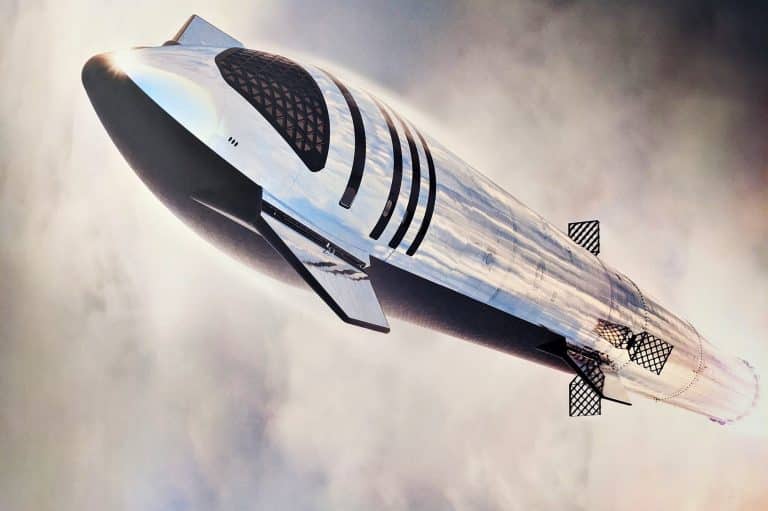
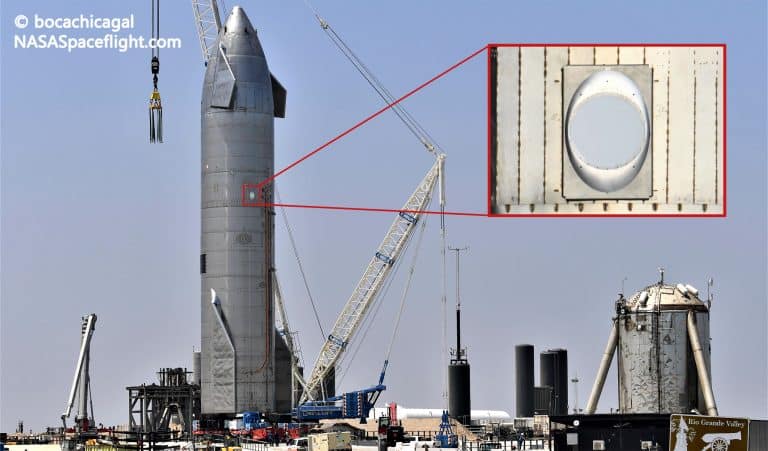
SpaceX didn’t just iterate; they reinvented rocketry. Launch costs plummeted from$15,600/kg in 2008 to under $1,000/kg todayvia Falcon reusability. Starship? It’s targetingsub-$100/kg, with marginal costs as low as $10M-$50M per flight.❿ ⓫
2025 Launch Dominance
In 2025, SpaceX nailed165 orbital missions—shattering records and claiming85% of U.S. launches (51% global). ⓬ ⓭Falcon 9 handled the bulk, but Starship’s rapid testing (Flight 11 by Oct 2025) signals scale-up.
| Metric | 2008 (Falcon 1) | Today (Falcon 9) | Starship Target |
|---|---|---|---|
| Cost/kg to LEO | $15,600 | <$1,000 | <$100 |
| Annual Launches | ~2 | 165 (2025) | 1,000+ |
| Reusability | None | 20+ flights | 100+ |
Opinion: This cost curve is unbeatable. Competitors like ULA/Blue Origin burn cash on expendables ($10k+/kg). Starship enables mass satellite deploys, Mars cargo at $100k/kg (vs. billions), and point-to-point Earth travel. Risk? Regulatory hurdles for 1,000+ flights/year, but FAA streamlining post-2025 proves momentum.
The xAI Merger: Orbital Data Centers Unlock 100GW AI Capacity
February 2026’s bombshell: SpaceX acquired xAI in a $1.25T deal, merging rocket prowess with AI to buildorbital data centers. ⓮ ⓯Why? Ground data centers face grid shortages, permitting nightmares, and land costs. Orbit solves it:25% cheaper compute, solar-powered, vacuum-cooled, no weather downtime.
Game-Changing Advantages
- Scale: Targets 100GW/year capacity via Starship-launched solar sats—1M constellation planned. ⓰
- Economics: $90M Starship flights enable hyperscale clusters cheaper than AWS/Azure expansions. ⓱
- Synergy: xAI’s Grok models train in space, lasered back to Earth. FCC filings confirm orbital AI infra. ⓲
Advice for Investors: This isn’t sci-fi—it’s vertical integration à la Tesla. Watch for Starship V3 cadence in H2 2026; success catapults valuation past $2.5T by 2030 (ARK’s bull case).⓳
Valuation Breakdown: 95x Revenue Justified?
ARK’s model: $1.75T at 95x trailing revenue blends:
- Starlink: 60% value ($1T+ from subs growth).
- Launch: 20% (Starship monopoly).
- Orbital Compute: 20% (AI mega-trend).
Risks to Consider:
- Regulatory: FCC/ITU satellite approvals, FAA launch cadences.
- Competition: Amazon Kuiper, but Starlink’s 2-year lead.
- Execution: Starship full reusability unproven at scale.
- Musk Factor: Diversified empire (Tesla, X) aids, but talent wars hurt.
Yet, SpaceX’s track record—reusable rockets defying physics, Starlink from zero to 10M—earns the “benefit of the doubt.”⓴S-1 drops late May, roadshow June 8—verify financials then.[21]
How to Position Yourself for the IPO
- Retail Access: Brokers like Public.com for IPO shares; ARK Venture Fund for pre-IPO exposure.[22]
- Proxies: ETFs with SpaceX ties (ARKX), suppliers (Rocket Lab).
- Long-Term: Buy dips post-IPO hype; compound at 50% CAGR. Disclaimer: Not financial advice—DYOR.
Final Thought: SpaceX isn’t launching rockets; it’s launching an economy. $1.75T? Conservative if Mars happens. Stay tuned for S-1 deep-dive.
What do you think—overvalued or undervalued? Drop comments below!