NASA Awards SpaceX $175.7M Falcon Heavy Contract for ESA’s Rosalind Franklin Mars Rover – A Bold Move Amid Crushing Budget Cuts
Key Takeaways
- NASA awarded SpaceX a $175.7M contract for Falcon Heavy to launch ESA’s Rosalind Franklin Mars rover in late 2028, SpaceX’s first Mars payload.
- Contract signed April 16, 2026, despite White House FY2027 budget proposing to eliminate NASA’s ROSA mission funding.
- NASA provides braking engines, plutonium radioisotope heaters (requiring U.S. rocket due to export controls), electronics, and mass spectrometer.
- Falcon Heavy selected over ULA for pricing; 11 launches since 2018 debut, last in Oct 2024 for Europa Clipper.
- Rover built for 2022 Russia mission, stalled by Ukraine invasion; NASA-ESA 2024 deal rescues it to drill 2m deep for past life evidence.
- Stark contradiction: Mission advances amid proposed budget cuts with no ROSA funding mentioned.
- Elon Musk emphasizes becoming multi-planet species; contract timed with SpaceX’s upcoming massive IPO roadshow in June.
In a surprising twist that’s got the space community buzzing, NASA has handed SpaceX a landmark $175.7 million contract to launch the European Space Agency’s (ESA) Rosalind Franklin Mars rover aboard a Falcon Heavy rocket no earlier than late 2028.❶ ❷Signed on April 16, 2026, this deal marks SpaceX’sfirst-ever Mars payload launch, a pivotal moment for Elon Musk’s vision of making humanity multi-planetary. But here’s the kicker: this comes just weeks after the White House proposed obliterating funding for NASA’s ROSA (Rosalind Franklin support) mission in its FY2027 budget request.❸It’s a stark paradox – NASA forging ahead with concrete commitments while facing potential fiscal annihilation. This reads as testament to the enduring momentum of Mars science bureaucratic resilience, and SpaceX’s unbeatable pricing edge.
In this deep dive, we’ll unpack the rover’s turbulent history, contract nitty-gritty, why Falcon Heavy trumps rivals, NASA’s critical contributions, the budget showdown, and what it means for the future of Mars astrobiology. Buckle up – this is Mars exploration at its most dramatic.
The Rosalind Franklin Rover: From Russian Setback to NASA Lifeline
A Rover Built for Buried Secrets
Named after the DNA-discovering scientist Rosalind Franklin, this ESA-led rover is no ordinary wheel-bot. It’s engineered todrill up to 2 meters (6.6 feet) beneath Mars’ surface– deeper than any predecessor – to hunt for organic molecules and signs of ancient microbial life preserved from surface radiation.❹ ❺Equipped with a panoramic camera, infrared spectrometer, and a suite of 10 instruments, it promises to rewrite our understanding of Mars’ habitability.❻
Key mission highlights:
- Landing Site: Oxia Planum, a clay-rich plain with ancient river deltas – prime real estate for past life. ❹
- Unique Tech: ExoMars Panoramic Instrument (PanCam) for 3D mapping; IDEFIX drill for subsurface sampling. ❼
- Arrival: Expected end-November 2030 after a ~500 million km journey. ❽
A Saga of Geopolitical Drama
Originally part of ESA’s ExoMars program, Rosalind Franklin was slated for a 2022 launch atop Russia’s Proton rocket. But Russia’s 2022 invasion of Ukraine torpedoed that partnership, leaving the fully built rover (minus some NASA bits) in limbo.❹ ❾ESA poured in €730 million to rescue it, striking a 2024 deal with NASA for U.S. rocket access and tech.❺Now, with SpaceX on board, it’s back from the brink – a phoenix of international collaboration.
Opinion: This resilience is inspiring. In an era of fractured alliances, cross-agency teamwork like NASA-ESA proves science trumps politics… sometimes.
Breaking Down the $175.7M Launch Contract
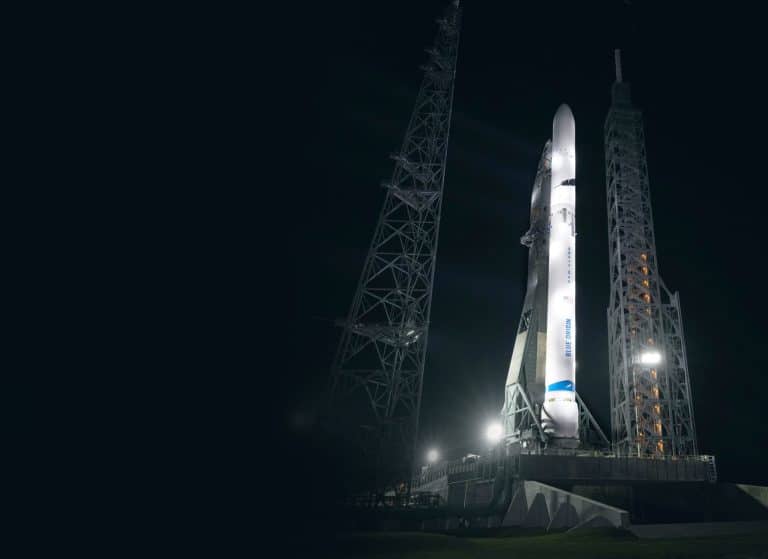
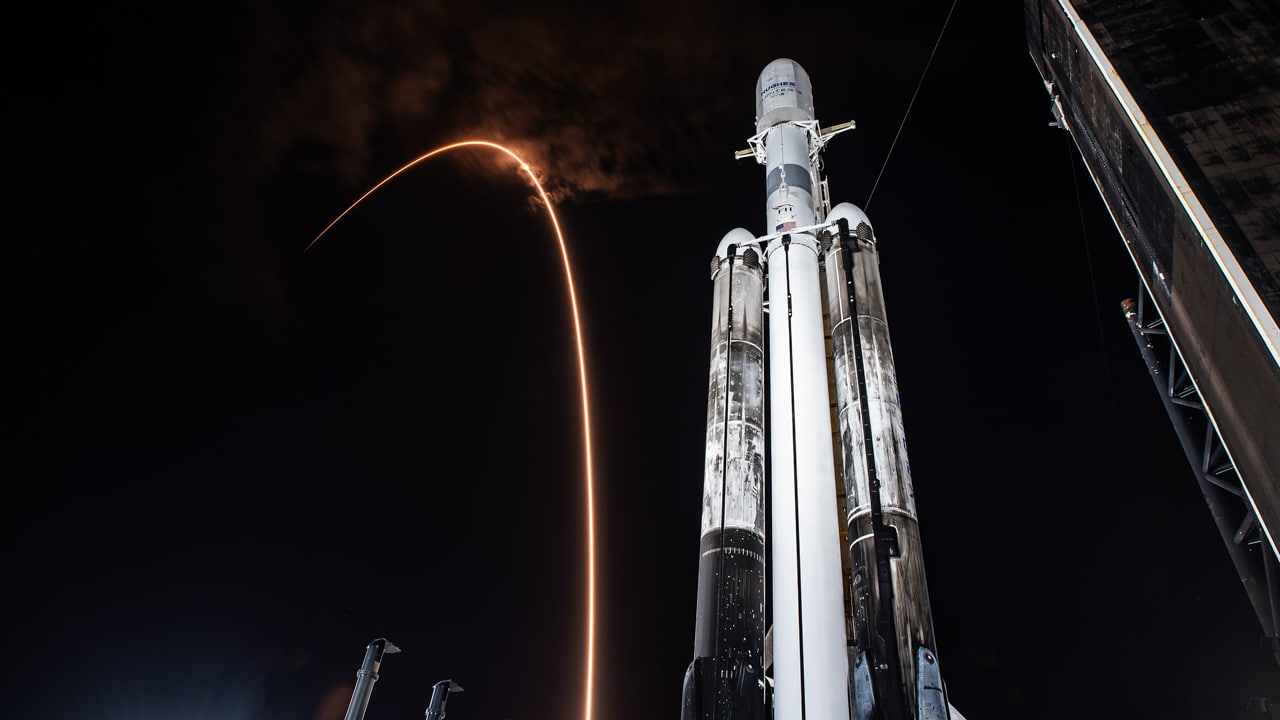
NASA’s ROSA (Rosalind Franklin Observer Support Activity) project covers the launch and U.S. contributions. The contract, awarded after a competitive bid, selects SpaceX’s Falcon Heavy for a liftoff from Kennedy Space Center’s Launch Complex 39A – the same pad that sent Artemis I skyward.❶ ❿
What’s Included?
- Launch Services: Falcon Heavy’s triple-core beast delivers ~16 tons to Mars transfer orbit.
- Integration & Range Safety: Payload fairing, mission ops support.
- NASA Hardware: Braking engines for descent, plutonium-238 radioisotope heater units (RHUs – export-controlled, hence U.S. rocket only), electronics, and a mass spectrometer. ❺
At $175.7M, it’s a steal compared to ULA’s Vulcan or Atlas V quotes – underscoring SpaceX’s cost revolution.⓫
Why Falcon Heavy? Reliability Meets Affordability
Since its 2019 debut, Falcon Heavy has nailed11 launches, including NASA’s Psyche asteroid probe and Europa Clipper (October 2024’s final flight before this).⓬No failures, 27 Merlin engines, and reusable boosters make it NASA’s go-to for heavy-lift interplanetaries.
Beaten Competitors:
- ULA (Vulcan/Atlas): Pricier, less proven for Mars trajectories.
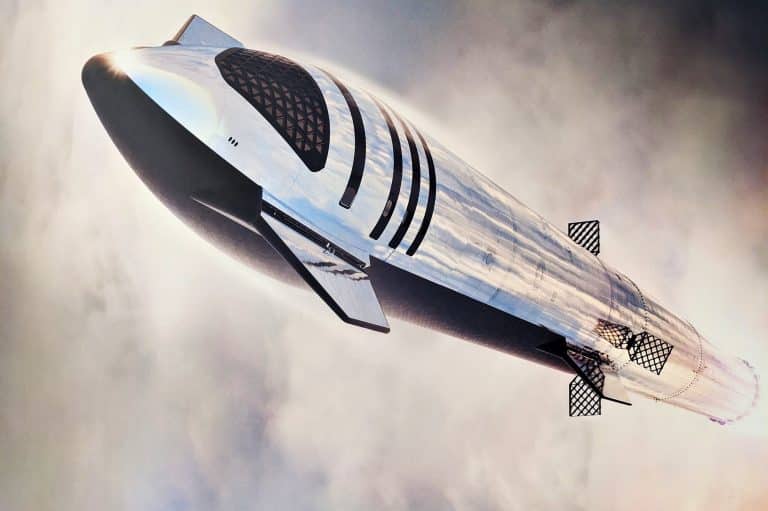
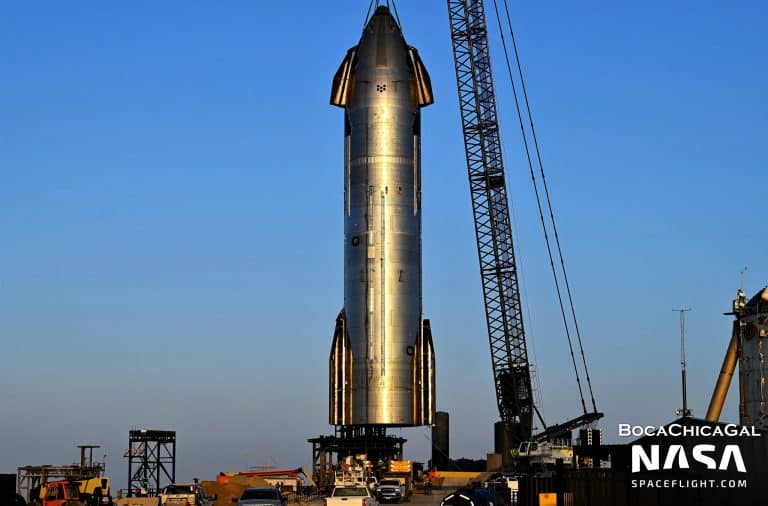
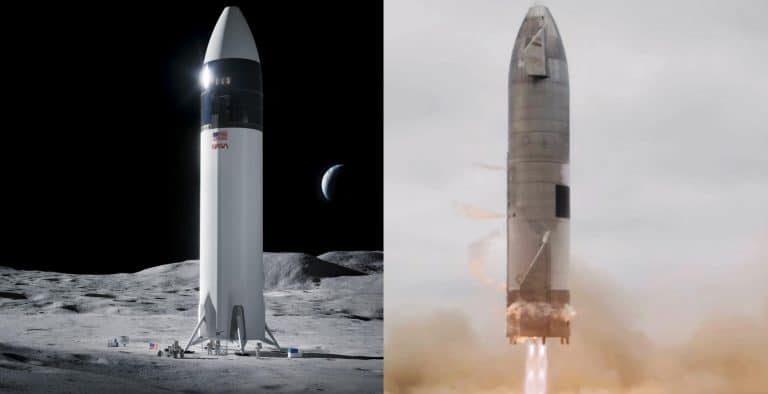
- Why Not Starship? Too developmental; Falcon Heavy’s track record wins. ❶
Pro Tip for Space Enthusiasts: Track the next Falcon Heavy via SpaceX’s launch manifest – this could be #12 in a string of successes.
The Budget Paradox: White House Slash vs. NASA Momentum
The FY2027 President’s Budget Request (released April 2026) proposes slashing NASA’s overall funding by 23% to $18.8B, withscience missions gutted by 47%– from $7.25B to $3.9B.⓭ ⓮ROSA? Zeroed out entirely, alongside 40+ missions like LISA.⓯
Yet NASA signed the contract anyway. Why?
- Congress Holds the Purse: White House proposals are starting points; lawmakers (e.g., Planetary Science Caucus) often restore funding. ⓰
- Prior Commitments: 2024 NASA-ESA MOU locks in support. ❺
- International Obligations: Ditching now would torch alliances.
My Take: This is peak Washington dysfunction – executive branch says “kill it,” but agencies push forward. Expect Congressional battles; history favors science (e.g., JWST revival).
SpaceX’s Mars Milestone and the IPO Buzz
This contract is SpaceX’s Mars entree, aligning with Musk’s mantra: “Become a multi-planet species.”⓱Perfect timing too – SpaceX’s massive IPO roadshow kicks off the week of June 8, 2026, eyeing a $1.75T valuation and $75B raise.⓲ ⓳
Investor Insight: Falcon Heavy wins like this de-risk Starship, boosting IPO hype. Retail investors get ~30% allocation post-roadshow.⓱
Future Implications: Astrobiology’s Next Frontier
Rosalind Franklin could detect biosignatures Perseverance misses, validating Mars sample return dreams. If funded, it’ll drill where organics thrive underground.⓴
Advice for Aspiring Space Pros:
- Follow ESA/NASA blogs for updates.
- Study astrobiology – missions like this drive jobs.
- Lobby Congress: Science needs advocates.
Final Thoughts: Despite budget storms, Rosalind Franklin’s path to Mars exemplifies human ingenuity. SpaceX’s role cements its dominance; let’s hope Congress greenlights the dream. Mars awaits – who knows what secrets lie 2 meters down?