Author: Gary Zhou

Tesla’s Optimus Takes Center Stage at AWE 2026: Mass Production by Year’s End, Human-Like Hands, and Elon Musk’s Von Neumann Vision

As the curtains rise on AWE 2026 in Shanghai today, March 12, Tesla has once again redefined the boundaries of innovation by showcasing its third-generation Optimus humanoid robot alongside the rugged Cybertruck. This isn’t just another tech demo—it’s a bold statement of intent. On-site reports from expo staff suggest mass production of Optimus could kick off by the end of 2026, aligning with Tesla’s aggressive roadmap to flood factories and homes with these versatile bots. With whispers of million-unit production lines at Fremont and a staggering 10 million annually at Giga Texas, plus tantalizing teases of hyper-dexterous robotic hands from Tesla China, the stage is set for a seismic shift in robotics. And let’s not forget Elon Musk’s sci-fi bombshell: Optimus as the world’s first Von Neumann machine, capable of self-replication to seed civilizations on distant planets.

Cybertruck Catastrophe: Texas Driver Sues Tesla for $1M+ After FSD Veers Toward Overpass Doom – Elon Musk Named in Shocking Negligence Claim

In the high-stakes world of electric vehicles and self-driving tech, Tesla has long positioned itself as the revolutionary leader. But a harrowing incident on a Houston freeway has shattered that illusion for one Cybertruck owner, sparking a bombshell $1 million-plus lawsuit against the company. Justine Saint Amour alleges her 2025 Cybertruck, equipped with Tesla’s Full Self-Driving (FSD) software, attempted to drive straight off an overpass into a concrete barrier – all while the system was engaged. This isn’t just another fender-bender; it’s a direct challenge to Tesla’s core promises of safety and autonomy, with Elon Musk himself accused of negligent oversight. As a blogger who’s tracked Tesla’s rollercoaster journey from Autopilot beta to FSD v12 and beyond, this case feels like the tipping point in a mounting wave of scrutiny.

Tesla Cybercab: Braille Breakthrough Ushers in Truly Inclusive Autonomous Rides as April Production Looms

Imagine stepping into a car that doesn’t just drive itself but actively empowers those who’ve long been sidelined by traditional transportation. Tesla’s Cybercab isn’t just another robotaxi—it’s a beacon of inclusivity in the autonomous revolution. With production ramping up for an April 2026 start and test units now spotted across the U.S., recent revelations about its Braille features are stealing the spotlight. As a Tesla enthusiast and EV blogger who’s tracked the company’s self-driving saga for years, I see this as more than a detail—it’s Tesla doubling down on making mobility universal, especially for the visually impaired and disabled community.

Elon Musk’s Digital Optimus Revolution: The AI Agent Set to Emulate Entire Companies and Reshape Enterprise Automation

In a bombshell announcement on March 11, 2026, Elon Musk revealed “Digital Optimus” – also dubbed “Macrohard” in a cheeky nod to Microsoft – as the first major fruit of Tesla’s $2 billion investment in xAI. This joint project isn’t just another AI chatbot or robot; it’s a sophisticated system designed to watch your computer screen, mimic human actions, and potentially run entire companies autonomously. As a tech blogger who’s followed Musk’s ventures from Tesla’s Autopilot to Optimus robots, I see this as a game-changer that could accelerate the shift from human desk workers to AI-driven operations. But with great power comes controversy – from shareholder lawsuits to fears of mass job losses. Let’s dive deep into what Digital Optimus is, how it works, its implications, and why no other company can match it (yet).

Starship Delays Under Fire: NASA’s OIG Report Exposes Risks to Artemis Moon Landings – Can SpaceX Deliver?

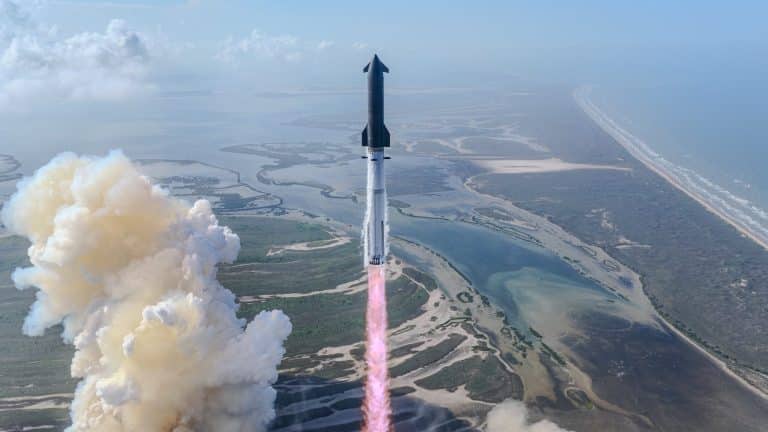
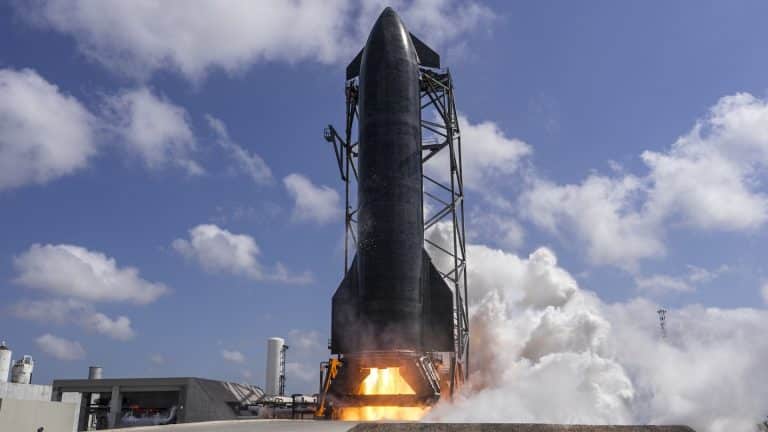
As the race to return humans to the Moon intensifies under NASA’s Artemis program, a stark new warning from the agency’s own watchdog has cast a shadow over the ambitious timeline. The Office of Inspector General (OIG) released a report highlighting significant delays in SpaceX’s Starship development, particularly the critical in-space refueling technology needed to make lunar landings feasible. With Starship selected back in 2021 as the Human Landing System (HLS) to ferry astronauts to the lunar surface, these setbacks could push back NASA’s goal of a crewed landing – once eyed for 2028 – even further. In this deep dive, we’ll unpack the report, review Starship’s test flight history, explore the refueling conundrum, and share my expert take on whether SpaceX can still pull off the impossible.

Tesla Cybercab Lights Up the US Department of Transportation: A Glimpse into Tomorrow’s Autonomous Revolution

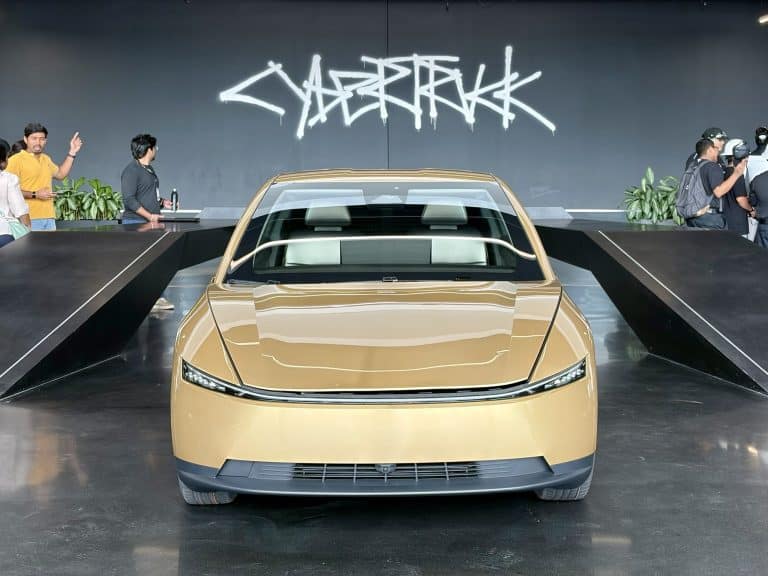
As a seasoned EV enthusiast and autonomous vehicle analyst with over a decade tracking Tesla’s innovations, I couldn’t contain my excitement when news broke of the Cybercab making a high-profile appearance at the US Department of Transportation (DOT) in Washington, D.C. This isn’t just another prototype showcase—it’s a bold statement from Tesla amid growing regulatory scrutiny and production ramps. Photos and videos flooding X (formerly Twitter) from the National Autonomous Vehicle Safety Forum reveal a vehicle that’s compact on the outside but cavernous within, poised to redefine urban mobility. With production kicking off at Giga Texas and the first units rolling out as early as February 2026, the Cybercab is no longer vaporware—it’s here, ready to challenge taxis, rideshares, and even personal car ownership.

Tesla’s Optimus V3 Hands: A Glimpse into the Future of Human-Like Robotics and Self-Replicating Machines

In a move that’s sent ripples through the tech and robotics communities, Tesla China has just dropped a bombshell teaser on Weibo, showcasing what appears to be the next-generation hands for the Optimus V3 humanoid robot. These hands aren’t just functional—they’re strikingly human-like, with proportions, finger structures, and subtle details that blur the line between machine and biology. Shared by Tesla’s official AI account and quickly reposted on X by enthusiasts like Ming (@tslaming), who called them “almost identical to human hands” and “honestly impressive,” this reveal has ignited feverish speculation. As a robotics blogger with over a decade tracking humanoid advancements, I can tell you: this isn’t hype. It’s a pivotal moment signaling Tesla’s leap toward robots that could redefine labor, exploration, and even civilization-building.

Tesla Cybercab Production Hits High Gear: 30+ Units Spotted at Giga Texas, Road Testing Explodes Across the US – The Robotaxi Revolution Accelerates

As a veteran Tesla watcher and EV industry analyst with over a decade tracking Elon Musk’s audacious ventures, I’ve seen hype cycles come and go. But the current frenzy around the Tesla Cybercab – the steering-wheel-less, pedal-free robotaxi poised to redefine urban mobility – feels different. It’s grounded in hard evidence: drone footage, eyewitness accounts, and Elon’s own candid X posts. On March 11, 2026, sightings are surging at Giga Texas, public road tests are multiplying in Silicon Valley and beyond, and production lines are ramping. This isn’t vaporware; it’s the prelude to millions of autonomous vehicles flooding streets. In this deep dive, we’ll unpack the latest data, analyze what it signals for Tesla’s timeline, and explore the implications for investors, cities, and your daily commute.

Prufrock-2 Shatters Records: The Boring Company’s Longest Vegas Loop Tunnel Ushers in a New Era of Underground Transit

In the heart of Las Vegas, where the glitz of the Strip meets innovative engineering, The Boring Company has just achieved a groundbreaking feat. On March 10, 2026, Prufrock-2, the company’s state-of-the-art tunnel boring machine (TBM), emerged triumphantly after completing a staggering 2.28-mile continuous tunnel—the longest single segment in Vegas Loop history, eclipsing the previous record of 2.26 miles set by Prufrock-1 just months ago. This fourth tunnel near the iconic Westgate Las Vegas Resort not only expands the network but signals a pivotal acceleration in urban tunneling technology. As someone who’s followed The Boring Company’s journey since its early days, I see this as more than a technical win—it’s a blueprint for revolutionizing city mobility in congested metropolises worldwide.

Load more