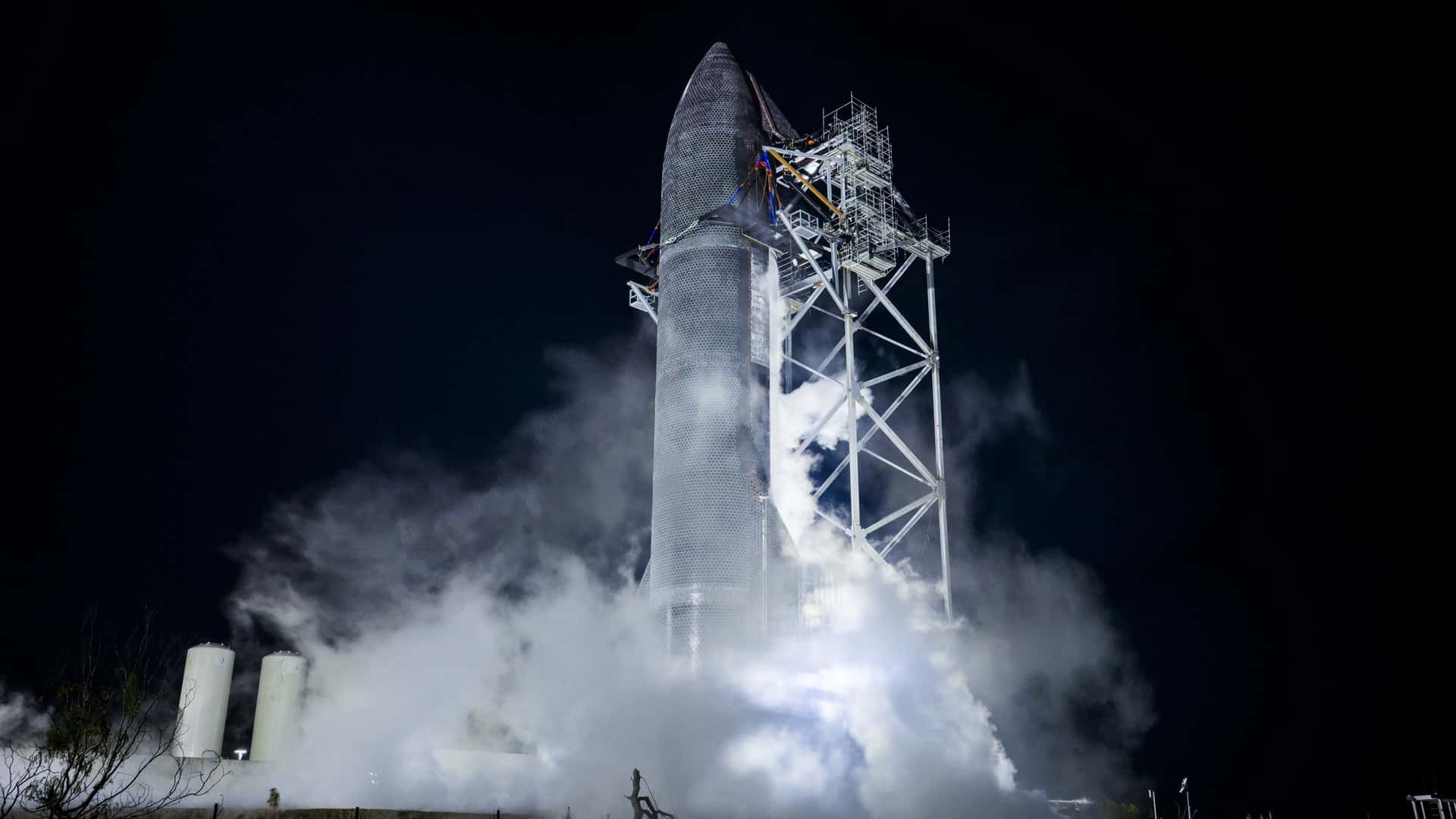
SpaceX Starship V3: The Game-Changing Rocket Set to Redefine Human Spaceflight
Key Takeaways
- SpaceX sets Thursday for the first Starship v3 launch
- New rocket reaches 124 meters tall with major structural upgrades
- Raptor 3 engines deliver higher thrust and fewer parts for reliability
- Enhanced heat shield and avionics support orbital refueling tests
- Reusable payload capacity exceeds 100 metric tons to low Earth orbit
- Flight 12 includes hot-staging, satellite deployment, and reentry trials
- Success advances NASA Artemis and Elon Musk’s multiplanetary goals
Space exploration is entering an exhilarating new phase, and SpaceX is once again at the forefront. With the highly anticipated first launch of the Starship V3 version scheduled for Thursday, the aerospace giant is poised to demonstrate unprecedented advancements in rocket design, reusability, and mission capability. This isn’t just another test flight—it’s a bold step toward making humanity multiplanetary.
A Giant Leap in Size and Structure
At an impressive 124 meters tall, the new Starship V3 towers over its predecessors with major structural upgrades that enhance both strength and performance. These modifications allow the vehicle to withstand the extreme forces of launch and reentry while maintaining optimal weight efficiency.
Engineers have focused on reinforced tanks, improved stacking mechanisms, and streamlined fairings. The result? A rocket that’s not only taller but significantly more robust for ambitious deep-space missions.
Revolutionary Raptor 3 Engines: Power Meets Simplicity
The heart of Starship V3 lies in its Raptor 3 engines. These next-generation powerplants deliver substantially higher thrust while using fewer parts, dramatically improving reliability and reducing maintenance costs.
Fewer components mean:
- Lower risk of failure during critical phases
- Faster turnaround times between flights
- Enhanced overall engine longevity
This evolution in propulsion technology marks a significant milestone in making reusable rockets not just viable but economically scalable for frequent launches.
Cutting-Edge Heat Shield and Avionics for Orbital Refueling
One of the most exciting features of Starship V3 is its enhanced heat shield paired with advanced avionics systems. These upgrades are specifically designed to support orbital refueling tests—a critical capability for extending mission ranges.
The improved heat shield protects the vehicle during high-speed atmospheric reentries, while sophisticated avionics enable precise docking and propellant transfer in space. Together, they pave the way for longer journeys to the Moon, Mars, and beyond.
Unmatched Reusable Payload Capacity
With a reusable payload capacity exceeding 100 metric tons to low Earth orbit, Starship V3 shatters previous benchmarks. This massive lifting power opens doors to:
- Large-scale satellite constellations
- Heavy scientific instruments
- Even future crewed habitats for lunar or Martian outposts
Reusability is the key here—after delivering its payload, the booster and spacecraft return for rapid refurbishment, slashing costs and accelerating the cadence of space missions.
What to Expect from Flight 12
Flight 12 promises to be packed with groundbreaking objectives, including:
- Hot-staging maneuvers for efficient booster separation
- Satellite deployment demonstrations
- Rigorous reentry trials to validate thermal protection systems
Each element builds on prior successes, pushing the boundaries of what reusable launch systems can achieve in a single mission.
Implications for NASA Artemis and Elon Musk’s Vision
Success with Starship V3 will directly accelerate NASA’s Artemis program, providing the heavy-lift capability needed for sustainable lunar presence. At the same time, it propels Elon Musk’s ambitious goal of establishing a self-sustaining city on Mars.
This launch represents more than technological progress—it symbolizes humanity’s collective drive to become a spacefaring civilization. As reusable rockets become the norm, the cost of space access continues to plummet, inviting new industries, scientific discoveries, and perhaps even space tourism on a grand scale.
In the coming years, we’ll likely see Starship V3 evolve further, enabling routine interplanetary travel. The Thursday launch is just the beginning of an extraordinary journey.
Related Coverage
- SpaceX Starship V3 Flight 12: Historic Launch, Heat Shield Breakthrough, and the Road to Mars and Beyond
- Starship V3: SpaceX’s Bold Leap Toward Fully Reusable Orbital Dominance – Maiden Flight Looms on May 19
- SpaceX ships 200th Falcon second stage, highlighting the flip-side of booster reuse
- Elon Musk’s Galactic Payday: SpaceX Links CEO Compensation to Mars Colony and 100TW Space Data Centers
- SpaceXAI and Anthropic Strike Historic Deal: Full Access to Colossus 1 Supercluster Ushers in a New Era of AI Compute Abundance
- SpaceX’s Star Turn in the Golden Dome: How Elon Musk’s Empire is Shaping America’s Next-Gen Missile Shield