SpaceX Starship V3 Flight 12: Historic Launch, Heat Shield Breakthrough, and the Road to Mars and Beyond
Key Takeaways
- SpaceX launched Starship V3 on May 22, 2026, from the new Pad 2 at Starbase, Texas, after two scrubbed attempts.
- The Super Heavy booster lost engines during ascent and boostback, leading to a hard landing in the Gulf of Mexico (planned as acceptable for this test).
- Ship 39 reached its sub-orbital trajectory despite losing one Raptor engine, survived reentry, performed a belly-flip, and achieved a controlled splashdown in the Indian Ocean.
- The mission deployed 22 objects, including 20 Starlink V3 simulators and 2 camera-equipped satellites for orbital heat shield inspection.
- Heat shield scanning from orbit marks a major step toward automated, rapid reusability inspections critical for high launch cadence.
- Flight 12 provides key proof for NASA’s Artemis IV crewed Moon landing in 2028 and supports SpaceX’s planned June 2026 IPO.
- Elon Musk praised the team on X: “Congratulations @SpaceX team on an epic first Starship V3 launch and landing!” and “You scored a goal for humanity.”
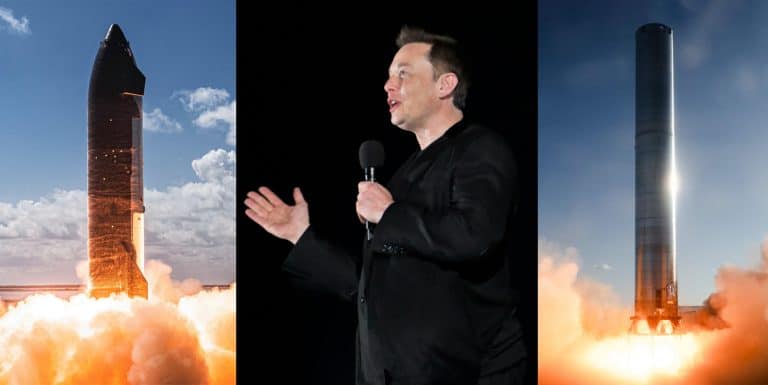
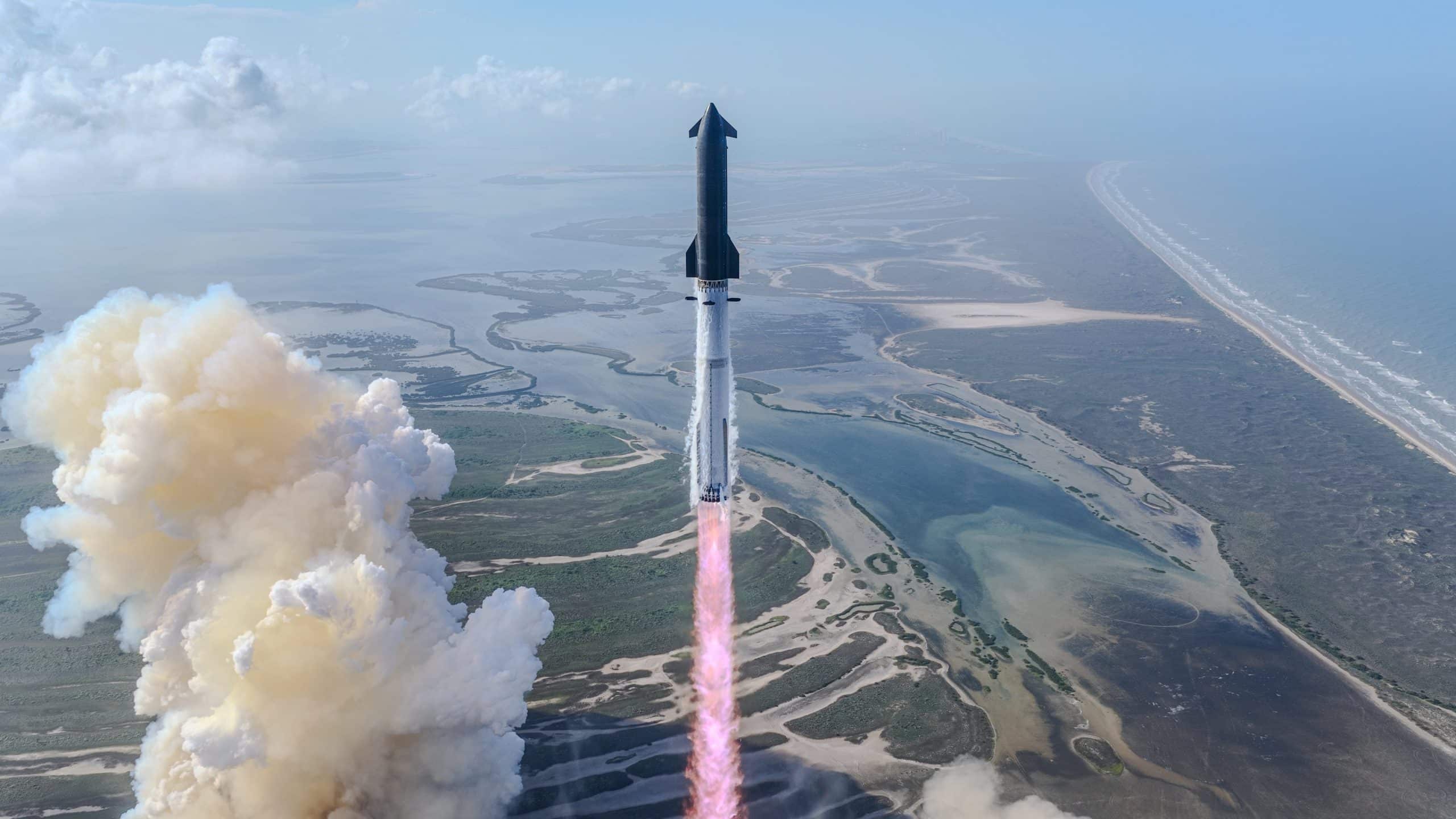
The space industry witnessed another monumental leap forward on May 22, 2026, as SpaceX successfully launched its upgraded Starship V3 vehicle—designated Flight 12—from the newly commissioned Pad 2 at Starbase, Texas. After two scrubbed attempts earlier in the day, the mission delivered a masterclass in rapid iteration, resilience, and innovation. Despite losing multiple Raptor engines on the Super Heavy booster and one on the Ship, the vehicle achieved its primary objectives, including orbital heat-shield inspections and a controlled splashdown. This flight not only validates critical technologies for NASA’s Artemis program but also positions SpaceX for its anticipated June 2026 IPO.
In this in-depth analysis, we break down the mission’s technical highlights, strategic implications, and what it signals for the future of reusable spaceflight.
The Build-Up to Flight 12
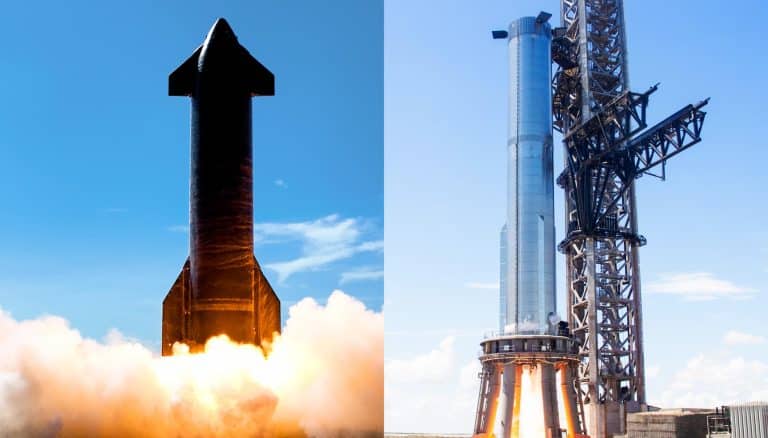
Starship has evolved rapidly since its first orbital attempt in 2023. Version 3 introduces structural enhancements, improved avionics, and a more robust heat shield—key upgrades needed for the high-cadence operations SpaceX envisions.
- Launch Site Upgrade: Pad 2 at Starbase enables simultaneous vehicle stacking and fueling, slashing turnaround times.
- Mission Objectives: Suborbital trajectory demonstration, payload deployment, reentry survivability, and in-orbit heat-shield scanning.
Two scrubs earlier on May 22 underscored SpaceX’s commitment to safety, a hallmark that has defined the company’s success.
Mission Timeline and Key Events
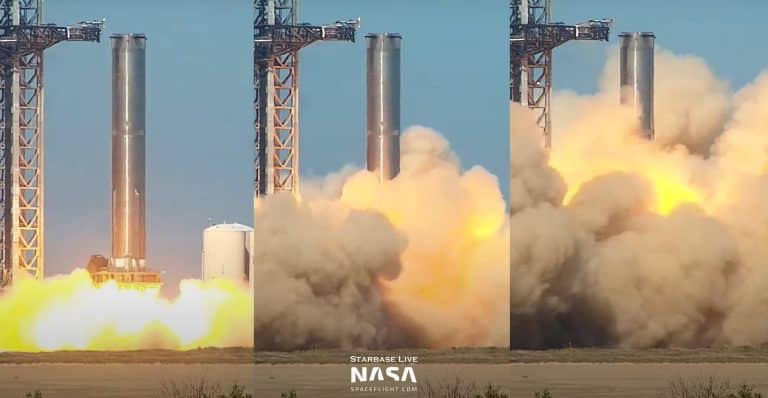
- Liftoff and Ascent – Starship V3 lifted off at approximately 8:00 p.m. CDT. The Super Heavy booster performed its boostback burn but lost several engines, resulting in a planned hard landing in the Gulf of Mexico.
- Ship 39 Performance – Despite losing one Raptor engine, Ship 39 reached its intended sub-orbital path.
- Payload Deployment – 22 objects released, including 20 Starlink V3 simulators and two specialized camera satellites.
- Reentry and Landing – The Ship executed a flawless belly-flip maneuver and achieved a controlled splashdown in the Indian Ocean.
The booster’s “acceptable hard landing” reflects SpaceX’s philosophy of testing to failure on non-critical elements while protecting flight hardware for rapid reuse.
Technological Breakthrough: Orbital Heat-Shield Inspection
The deployment of two camera-equipped satellites marks a paradigm shift in reusability.
- Automated Inspection Capability: For the first time, Starship can scan its own heat shield from orbit without ground-based infrastructure.
- Implications for Cadence: Rapid, autonomous inspections are essential for achieving weekly or even daily launches—core to Starlink constellation growth and future Mars missions.
- Data Advantage: High-resolution imagery will feed machine-learning models that predict tile degradation, enabling predictive maintenance.
This single capability accelerates the timeline toward fully reusable, airline-like operations.
Strategic Implications for NASA Artemis and Beyond
Flight 12 provides tangible proof points for NASA’s Artemis IV crewed lunar landing targeted for 2028.
- Human-Rated Reliability: Demonstrated reentry survivability and controlled landing build confidence in the Human Landing System contract.
- Lunar Economy Enabler: Starship’s payload capacity (over 100 tons to the Moon) dwarfs legacy vehicles, opening doors for lunar bases and resource utilization.
- Mars Pathway: Every successful test brings the 2028–2030 uncrewed Mars cargo missions closer to reality.
SpaceX’s June 2026 IPO timing is no coincidence—investors will price the company on its ability to deliver Starship at scale.
Elon Musk’s Reaction and Industry Context
Musk’s celebratory posts on X captured the moment perfectly:
“Congratulations @SpaceX team on an epic first Starship V3 launch and landing!” and “You scored a goal for humanity.”
Industry analysts note that while competitors like Blue Origin and China’s state programs advance, none match SpaceX’s iteration speed. The successful integration of payload deployment, heat-shield diagnostics, and splashdown recovery in a single flight sets a new benchmark.
Looking Ahead: What’s Next for Starship
- Flight 13: Expected within weeks, focusing on full booster catch attempts.
- Starlink V3 Integration: Operational constellation deployment begins later this year.
- Regulatory Milestones: FAA license expansions and environmental reviews will determine launch cadence.
SpaceX’s approach—fail fast, learn faster—continues to redefine what is possible in aerospace.
May 22, 2026, will be remembered as the day Starship V3 proved it is ready for prime time. From engine losses turned into learning opportunities to the first orbital self-inspection of its heat shield, Flight 12 delivered on every front. As humanity stands on the cusp of routine lunar and eventual Martian travel, SpaceX’s relentless progress reminds us that the final frontier is no longer the domain of governments alone—it belongs to those bold enough to iterate at the speed of thought.
Related Coverage
- SpaceX Starship V3: The Game-Changing Rocket Set to Redefine Human Spaceflight
- Starship V3: SpaceX’s Bold Leap Toward Fully Reusable Orbital Dominance – Maiden Flight Looms on May 19
- Elon Musk’s Galactic Payday: SpaceX Links CEO Compensation to Mars Colony and 100TW Space Data Centers
- SpaceX ships 200th Falcon second stage, highlighting the flip-side of booster reuse
- SpaceXAI and Anthropic Strike Historic Deal: Full Access to Colossus 1 Supercluster Ushers in a New Era of AI Compute Abundance
- SpaceX’s Star Turn in the Golden Dome: How Elon Musk’s Empire is Shaping America’s Next-Gen Missile Shield