 Gary Zhou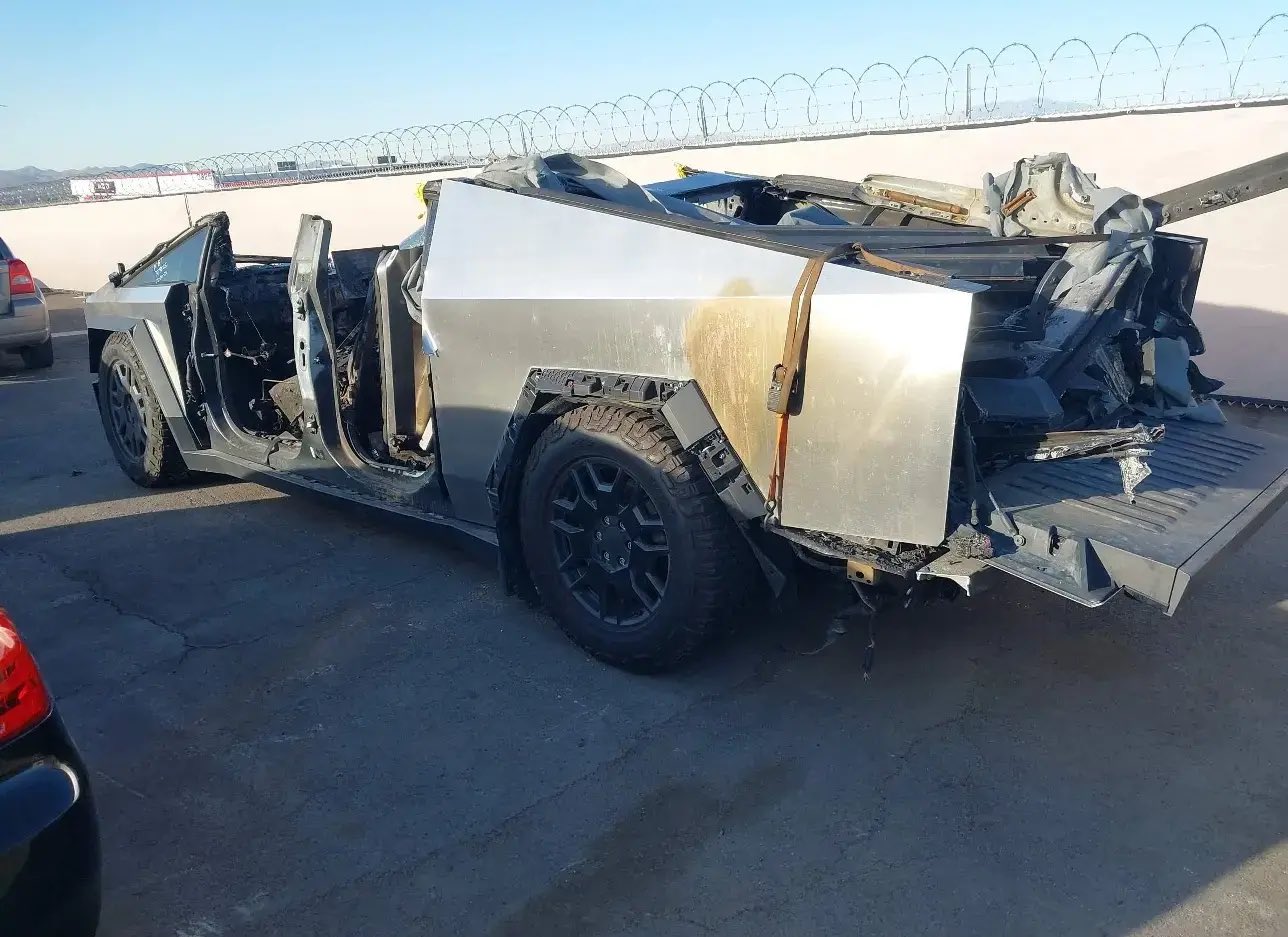
Key Takeaways
- LVMPD released a 78-page report on the Cybertruck explosion, raising new questions instead of providing clarity.
- The incident involved former Green Beret Matthew Livelsberger, who committed suicide before the blast.
- Livelsberger’s manifesto, deemed classified, criticized U.S. leadership and claimed his act was meant as a “wake-up call.”
- The explosion involved a vehicle-borne improvised explosive device (VBIED) but wasn’t officially labeled as terrorism.
- Tesla’s Elon Musk confirmed the explosion resulted from large fireworks and noted the Cybertruck’s design contained the blast effectively.
In an already turbulent world, the turn of the new year brought a jarring incident with serious repercussions. A Cybertruck explosion outside the Trump International Hotel on New Year’s Day stunned the Las Vegas community and beyond. The release of the Las Vegas Metropolitan Police Department’s detailed report aimed to bring clarity, but instead, it has left us with more questions and a complex narrative to unravel. In this post, we delve deep into the incident, the perpetrator’s motives, and the broader ramifications.
Unpacking the LVMPD Report
The LVMPD’s 78-page report sheds light on the series of events that culminated in the Cybertruck explosion. Here are the main findings:
- The Incident Overview:
- The explosion involved a Cybertruck rented through the Turo platform by a former Green Beret, Matthew Livelsberger.
- Before the explosion, Livelsberger filled the truck with fireworks, gas cans, and camping fuel, deliberately setting up what is referred to as a vehicle-borne improvised explosive device (VBIED).
- Perpetrator’s Intentions:
- Livelsberger left behind a manifesto, ultimately classified by the Department of War, in which he described his act not as terrorism but as a “wake-up call” to America’s leadership.
- Surveillance footage confirmed his deliberate actions as he poured accelerant into the truck moments before detonation.
- Classification Dilemma:
- Although the setup and execution of the explosion resembled a VBIED attack with potential for mass casualties, officials have refrained from labeling it terrorism.
- The Role of the Cybertruck:
- Ironically, the Cybertruck’s robust design helped contain the explosion, directing the blast upwards and keeping its bed largely intact.
Matthew Livelsberger’s Manifesto: A Reflection on Intent
The manifesto left by Livelsberger provides a cryptic but vital perspective on his motives. His words signal a dissatisfaction with what he described as “feckless leadership” in the U.S. His belief that “Americans only pay attention to spectacles and violence” underscores his choice of a grandiose and destructive stunt to convey his message.
Implications of VBIED Classification
Despite not being officially dubbed an act of terrorism, the explosion’s nature as a VBIED emphasizes several areas of concern:
- Security Enhancements: The incident underscores the need for heightened security measures and screening to prevent potential explosive setups in civilian settings.
- Policy and Legislation: This could influence policymakers to revisit definitions and classifications of terrorism-related incidents, taking into consideration the intent and potential damage.
- Public Safety Awareness: It reminds the public and authorities alike of the importance of vigilance and awareness in preventing similar attacks.
Cybertruck: A Symbol of Resilience
Post-explosion, Tesla’s Cybertruck emerged not only as resilient but also as a subject of intrigue and debate in the automotive community. Tesla CEO Elon Musk noted the durability of the vehicle that successfully managed to withstand and contain the force of the explosion. This incident has paradoxically highlighted the strength and safety features of the Cybertruck, perhaps unwittingly boosting its image as an advanced and robust vehicle option.
As authorities continue to delve into this complex case, it remains a testament to the unpredictability of threats in the modern world. It’s a stark reminder of the intersection between advanced technologies and security challenges—calling for constant innovation in safety protocols and responsiveness to unforeseeable crises.