Starship V3: SpaceX’s Bold Leap Toward Fully Reusable Orbital Dominance – Maiden Flight Looms on May 19
Key Takeaways
- Starship V3 maiden flight set for May 19 from Starbase, Texas, with sweeping upgrades for reusability and orbital ops.
- Super Heavy V3 grid fins reduced to three, 50% larger, repositioned for better performance and heat protection.
- Integrated hot staging removes disposable shield, using tank pressure and steel shielding instead.
- New massive fuel transfer tube enables simultaneous 33 Raptor startups for reliable maneuvers.
- Engine bay simplified: shrouds deleted, new shielding added, CO₂ suppression removed.
- Starship V3 propulsion fully redesigned for larger volume, better RCS, and reduced leaks.
- Flap actuators upgraded to single unit with three motors for redundancy and efficiency.
- Enhanced PEZ dispenser for faster Starlink satellite deployment.
- New systems for long-duration flights, orbital refueling, cryo management, and header tanks.
- Four docking drogues added for ship-to-ship refueling and docking.
- Avionics: 60 units with 9 MW power, multi-sensor nav, RF propellant sensors, 50 cameras, Starlink comms.
- Raptor 3 boosts thrust to 250 tf (SL)/275 tf (vac), cuts mass to 1525 kg, simpler integrated design.
- Launch Pad 2: faster propellant loading, electromechanical chopsticks, stronger QD arm, bidirectional diverter.
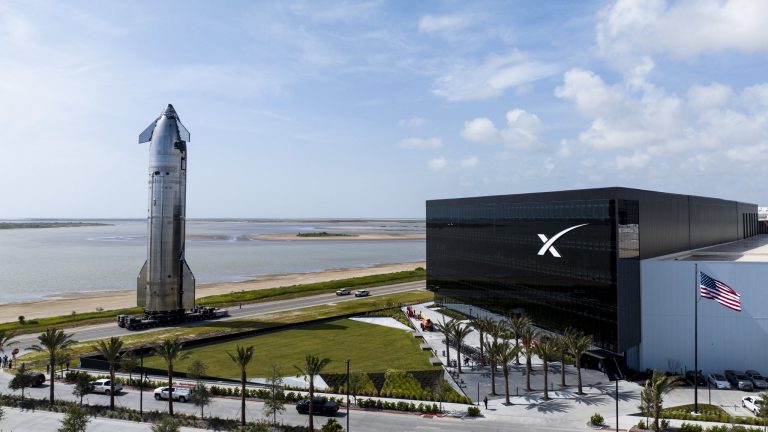
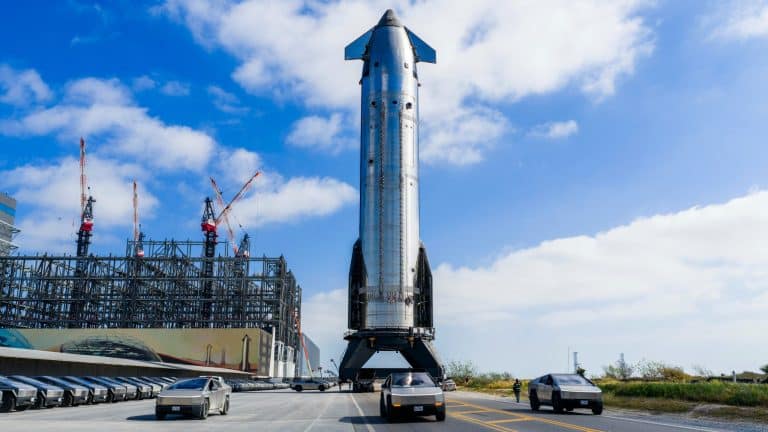
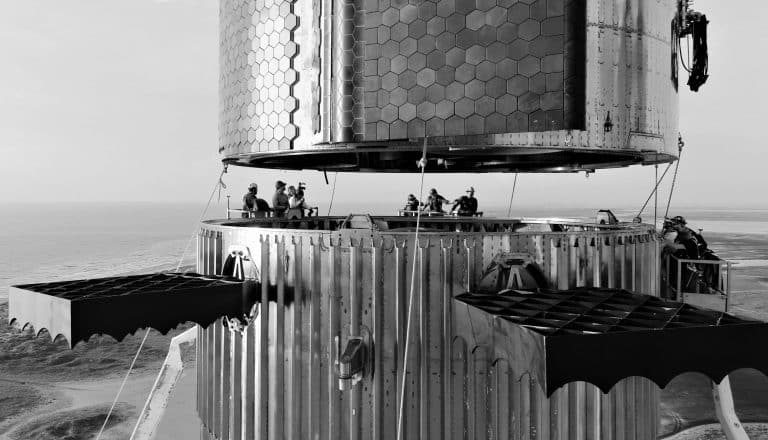
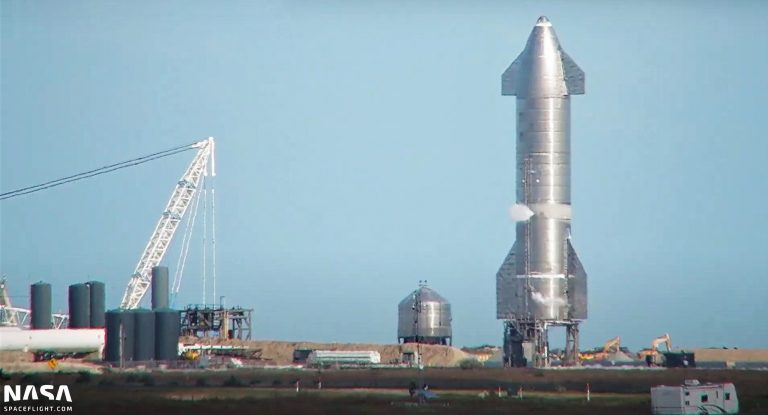
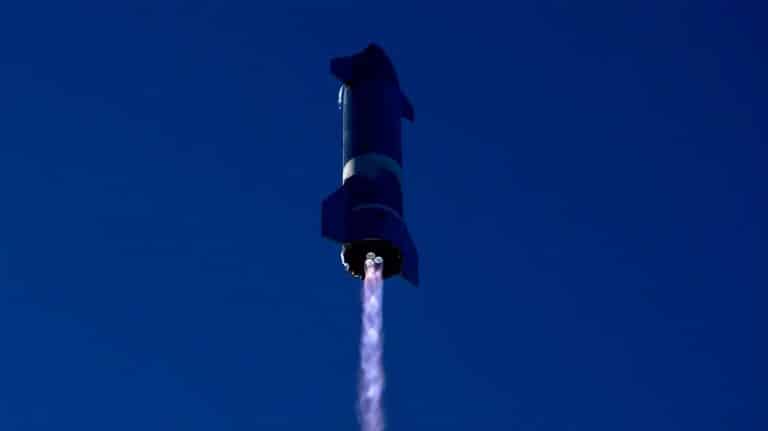
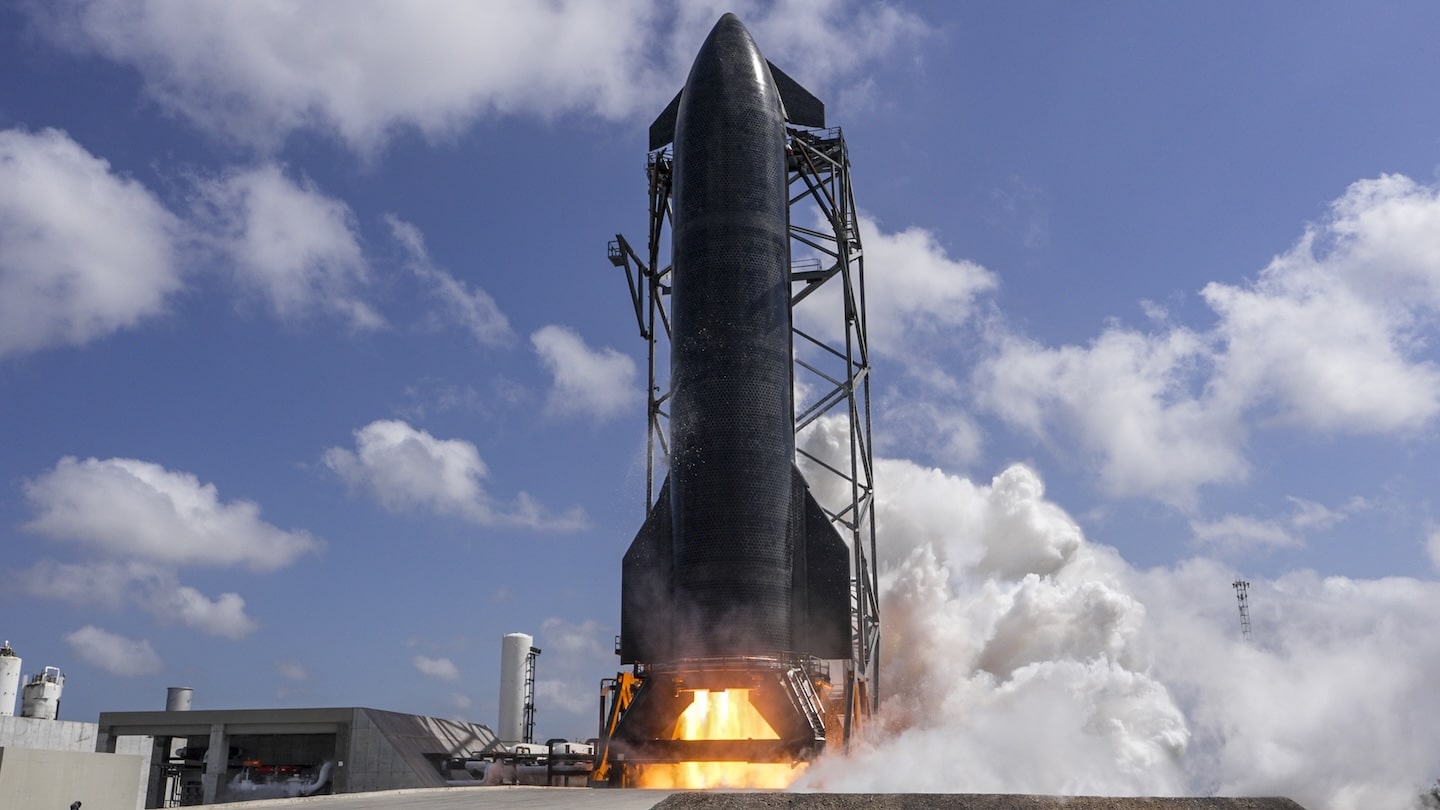
SpaceX is on the cusp of history. Just days from now, on May 19, 2026, the Starship V3 – the most advanced iteration of Elon Musk’s fully reusable super-heavy launch system – will attempt its maiden flight from Starbase, Texas.❶ ❷ ❸This isn’t just another test; it’s a symphony of sweeping upgrades designed to unlock rapid reusability, orbital refueling, and humanity’s multi-planetary future. prototypes have evolved from explosive prototypes to near-operational marvels V3 represents a quantum jump: bigger tanks, smarter engines, and infrastructure that scales launches like never before.
What makes V3 revolutionary? It’s not incremental tweaks – it’s a holistic redesign prioritizing reliability, mass reduction, and cadence. Expect booster catches, ship dockings, and Starlink mega-constellations to become routine. Buckle up; this post dives deep into the tech, backed by the latest disclosures.
Super Heavy Booster V3: Engineered for Catch-and-Reuse Mastery
The Super Heavy V3 booster isn’t just taller or stretchier; it’s a fortress of efficiency. Stacked with 33 Raptor 3 engines, it promises liftoff thrust exceeding previous versions while slashing complexity.
Grid Fins: Fewer, Bigger, Badder
- From 4 to 3 Fins: SpaceX slashed the count to three grid fins, freeing up mass and simplifying aerodynamics. ❹
- 50% Larger and Repositioned: Each fin is half-again as big, with higher strength materials for superior reentry control and heat shielding. Repositioning optimizes torque without redundancy loss – a genius trade-off for boost-back burns and tower catches. ❺
Insight: This mirrors Falcon 9’s grid fin evolution but amplified. Fewer parts mean fewer failure points, crucial for 100+ flights per booster. If Pad 2’s chopsticks nail the catch, V3 boosters could fly weekly.
Hot Staging Revolution: Goodbye, Disposable Shields
Traditional staging discards hardware; V3 integrates it:
- Tank Pressure + Steel Shielding: No more throwaway interstage – engines ignite via tank pressurization, protected by robust steel. ❹
- Massive Fuel Transfer Tube: Enables all 33 Raptors to startup simultaneously, ensuring pinpoint maneuvers without relights. ❻
Opinion: Hot staging was trialed in early flights, but V3 perfects it. This saves ~1-2% delta-V per launch – stacking up to Mars mission enablers.
Engine Bay Overhaul: Simplicity = Reliability
- Shrouds deleted, new shielding added.
- CO₂ suppression axed for passive cooling. Pro Tip: These changes cut refurb time by hours, targeting 30-minute turnarounds.
Starship Upper Stage V3: Orbital Workhorse Unleashed
The ship itself gets a propulsion glow-up:
- Redesigned Bays: Larger volume, enhanced RCS thrusters, leak-proof plumbing.
- Flap Actuators: Single unit with three motors – redundancy without bulk.
- PEZ Dispenser 2.0: Turbocharged for rapid Starlink V3 satellite spits (up to 60 Tbps capacity per launch). ❼ ❽
Long-Duration Magic: Refueling and Cryo Tech
- Header Tanks Optimized: For sustained burns post-refueling.
- Cryo Management Systems: Boil-off minimized for weeks in orbit.
- Four Docking Drogues: Ship-to-ship refueling and docking – key for Artemis, Starship HLS, and Mars tanker fleets. ❹
Valuable Advice: For satellite operators, V3’s dispenser means cheaper, denser deployments. Book early – slots will vanish.
Raptor 3: The Engine That Redefines Thrust-to-Weight
Raptor 3 isn’t an upgrade; it’s a reinvention:
- Thrust: 280 tf sea-level (250 tf prior claims refined), 350s Isp vacuum variant at 275+ tf. ❾ ❿
- Mass: Slashed to 1,525 kg – 60% more thrust than Raptor 1 at half the weight. ⓫
- Design: Integrated, no external shielding, fewer parts (thrust/mass >200 coming).
| Raptor Version | SL Thrust (tf) | Mass (kg) | Isp (s) | Key Win |
|---|---|---|---|---|
| Raptor 1 | ~185 | ~2,000+ | ~330 | Baseline |
| Raptor 2 | ~230 | ~1,630 | 347 | Efficiency |
| Raptor 3 | 280 | 1,525 | 350 | Simplicity ❾ |
Expert Take: At 10,000+ tons liftoff thrust potential, V3 crushes SLS forever. Mars? 1,000-ton payloads routine.
Launch Pad 2: Infrastructure for Hyper-Cadence
Starbase’s Pad 2 debuts with V3:
- Faster Propellant Loading: Gigantic tanks, quick-chill tech.
- Electromechanical Chopsticks: Hydraulic-free for 1,000+ cycles. ⓬
- Stronger QD Arm: Handles V3’s fury.
- Bidirectional Diverter: Exhaust routed any direction, no refurb needed. ⓭
Future-Proofing: Pad A for tests, Pad 2 for ops – 100+ launches/year possible.
Avionics Arsenal: The Brainpower Boost
- 60 Units, 9 MW Power: Redundant, radiation-hardened.
- Multi-Sensor Nav + RF Prop Sensors: Leak-proof gauging.
- 50 Cameras + Starlink Comms: Real-time autonomy.
Insight: This enables autonomous docking fleets – no ground loops needed.
Implications: From Earth Orbit to Mars Colonies
V3 isn’t hype; it’s the pivot to operations. Starlink V3 constellations explode, Artemis lands safely, Starship tankers refuel in days. Risks? Reentry plasma, catch precision – but SpaceX’s iterate-fast ethos prevails.
Advice for Investors/ Enthusiasts:
- Watch May 19 live – chopstick catch odds: 70%.
- Track NSF/Labpadre for stacking cams.
- Bet on Q3 2026: First orbital refuel demo.
Starship V3 – The Reusable Rocket Endgame
May 19 marks SpaceX’s Falcon Heavy moment – reliability at scale. These upgrades aren’t flashy; they’re foundational, slashing costs 100x below competitors. Humanity’s stars just got closer. What’s your prediction for Flight 12? Drop in comments!
Related Coverage
- SpaceX Starship V3 Flight 12: Historic Launch, Heat Shield Breakthrough, and the Road to Mars and Beyond
- SpaceX Starship V3: The Game-Changing Rocket Set to Redefine Human Spaceflight
- SpaceX’s Star Turn in the Golden Dome: How Elon Musk’s Empire is Shaping America’s Next-Gen Missile Shield
- SpaceX’s $60 Billion Gamble on Cursor AI: The Dawn of a Coding Superintelligence Era?
- SpaceX ships 200th Falcon second stage, highlighting the flip-side of booster reuse
- SpaceXAI and Anthropic Strike Historic Deal: Full Access to Colossus 1 Supercluster Ushers in a New Era of AI Compute Abundance