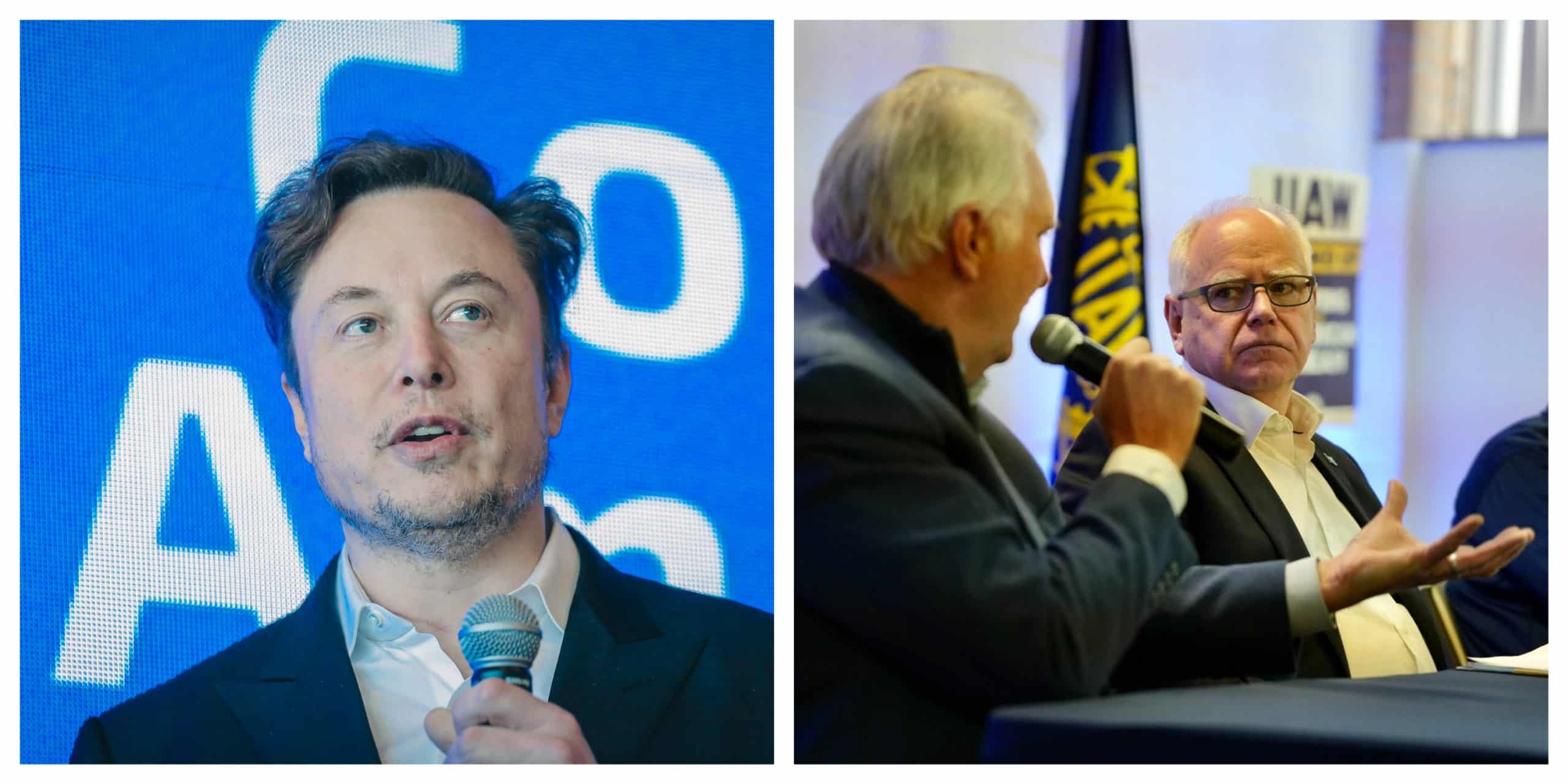
The Ongoing Verbal Clash: Elon Musk vs. Tim Walz
Key Takeaways
- Elon Musk and Tim Walz are continuing their public verbal exchange, with Walz criticizing Musk on tax issues.
- Walz described Musk as a “greedy bastard” and accused him of not paying taxes after achieving success.
- Musk responded to Walz’s comments by calling him “a liar,” citing his significant tax contributions.
- Kevin O’Leary criticized Walz for joking about Tesla stock falling, given its impact on the Minnesota Pension Fund.
- Musk paid a record-breaking tax bill of $11 billion in 2021, contradicting Walz’s tax evasion claims.
- Walz’s continued criticism of Musk is possibly linked to Musk’s connections with the Trump Administration.
The digital landscape is buzzing with a heated exchange between Tesla’s CEO, Elon Musk, and former Vice Presidential candidate, Tim Walz. This conflict, rooted in allegations about tax payments and stock market remarks, reflects broader political and economic debates. Let’s delve into the intricacies of this public skirmish and analyze its implications.
The Origins of the Clash
The war of words commenced with Tim Walz accusing Elon Musk of being a “greedy bastard” who skirted paying taxes after achieving monumental success. Walz’s comments have stirred widespread reactions across social and traditional media platforms. For a closer look into this accusation, let’s explore the details of the allegations and Musk’s responses.
Walz’s Allegations
Walz’s arguments center around the economic responsibilities of wealthy individuals:
- Wealth and Taxes: Walz criticized Musk for allegedly evading taxes post-success, suggesting that Musk personifies the greed often attributed to billionaires.
- Demonization of Success: Walz asserted the need to distinguish between condemning someone for their wealth and critiquing their financial practices.
Musk’s Rebuttal
Elon Musk, a figure not new to public and political scrutiny, was quick to respond. Brushing off Walz’s accusations, Musk labeled the claims as falsehoods.
- Record Tax Payments: Musk points to his $11 billion tax payment in 2021, a historic single-year tax bill which demonstrates his fiscal contributions.
- Transparency and Accountability: Musk has maintained that his financial dealings are transparent and meet all legal obligations.
The Role of Kevin O’Leary
In the mix of this argument is Shark Tank’s Kevin O’Leary, who added fuel to the fire by scrutinizing Walz’s remarks about Tesla’s stock price.
O’Leary’s Concerns
- Impact on Pension Funds: Tesla is a significant holding in the Minnesota Pension Fund. Joking about the company’s stock decreasing could potentially affect retirees who depend on these funds.
- Financial Responsibility: O’Leary implied that financial wisdom and responsibility are essential, especially when public pension funds are involved.
Political Underpinnings
An underlying theme in this debate is the political dynamics shaping these interactions. Walz’s comments may, some speculate, be motivated by Musk’s previous affiliations with the Trump Administration, reflecting deeper partisan divides.
Broader Implications
- Economic Responsibilities: The discourse sheds light on societal expectations of billionaires and their role in national economies.
- Political Narratives: This clash illustrates how political narratives can influence and sometimes distort financial realities.
- Public Perception: The way high-profile figures like Musk and Walz engage in public debates informs societal attitudes toward wealth and power.