Category: Musk Ventures

Judge McCormick’s LinkedIn Misstep: Elon Musk Secures Recusal Victory in High-Stakes Tesla Shareholder Lawsuits

In a stunning turn of events that underscores the perils of social media in the judicial arena, Delaware Chancery Court Chancellor Kathaleen St. Jude McCormick has recused herself from three major shareholder lawsuits against Elon Musk and Tesla. The catalyst? An apparent “heart” reaction on LinkedIn to a post mocking Musk in connection with his Twitter (now X) acquisition saga. This decision, announced just days after Musk’s legal team filed a recusal motion, marks a symbolic triumph for the Tesla CEO amid his ongoing feud with Delaware’s courts—a battleground where he’s faced repeated setbacks.

Elon Musk Teases Tesla’s Game-Changing Family Vehicle: “Way Cooler Than a Minivan” – What It Means for Big Families in the Autonomy Era

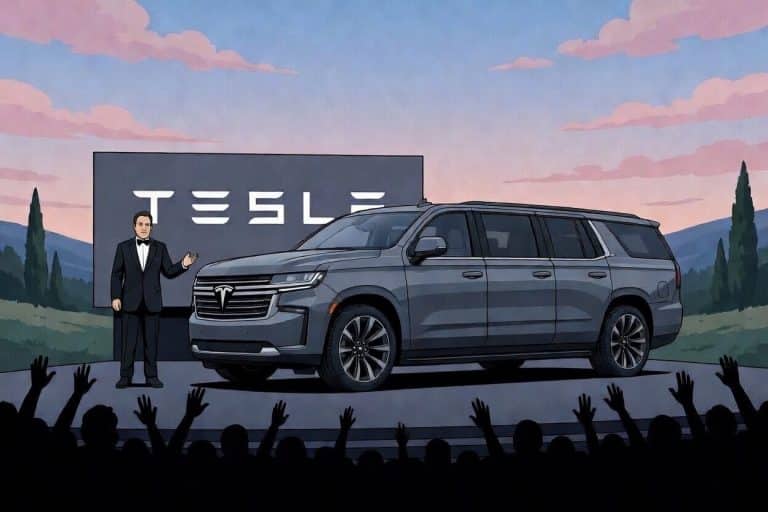
In the ever-evolving world of electric vehicles, Elon Musk has a knack for dropping bombshells that send enthusiasts into a frenzy. Just recently, amid growing demands from Tesla fans for more spacious family options, Musk responded to a plea for a minivan with a tantalizing promise: “Something way cooler than a minivan is coming.” This wasn’t a one-off; in another exchange on X (formerly Twitter), a fan pitched a radical idea—a 3-row SUV with individual doors for every seat—aimed at sparking a “baby boom” among Tesla owners. Musk’s reply? A simple, loaded “Noted.”

Nashville’s Music City Loop: The Boring Company’s Game-Changing Tunnel Project Hits a Major Milestone

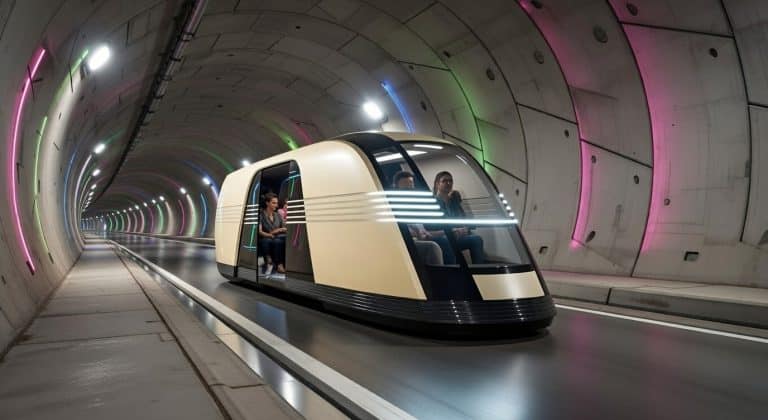
Imagine zipping from downtown Nashville’s bustling Music City Center to Nashville International Airport (BNA) in just 8 minutes—fully electric, zero-emissions, and without a single traffic jam. This isn’t science fiction; it’s the promise of the Music City Loop, The Boring Company’s ambitious underground transit system that’s now cleared a critical regulatory hurdle. As a infrastructure enthusiast and blogger who’s followed Elon Musk’s ventures from Tesla to SpaceX, I’ve been tracking this project since its announcement. With the recent easement approval from the Music City Center on March 24, 2026, the tunnel is poised to transform Nashville’s mobility landscape. In this deep dive, we’ll explore the project’s origins, latest developments, costs, challenges, and why it could redefine urban transport in America.

Boring Company’s Tunnel Vision Triumph: Free Loops for New Orleans, Baltimore, and Dallas – Ushering in the 3D Era of Urban Mobility!

Imagine waking up to news that your city just won a free underground tunnel – not one, but three such prizes announced at once. That’s exactly what happened today when Elon Musk’s The Boring Company (TBC) revealed the winners of its groundbreaking Tunnel Vision Challenge. From a staggering 487 submissions across the U.S. and beyond, TBC doubled down on its promise (originally one winner) by selecting three Loop tunnel projects for free construction in New Orleans, Baltimore, and Dallas. But wait, there’s more: two bonus pursuits for utility and accessibility infrastructure. As a blogger who’s followed Musk’s infrastructure revolutions from the Las Vegas Loop to international expansions, this announcement feels like a pivotal moment in solving urban gridlock. Let’s dive deep into the details, implications, and why cities everywhere should take note.

Elon Musk’s TERAFAB: The $25 Billion Mega-Fab That Could Reshape AI, Space, and Global Chip Dominance

Elon Musk has once again redefined the boundaries of innovation. On March 21, 2026, he unveiled TERAFAB, a colossal $20-25 billion joint venture between Tesla, SpaceX, and xAI. This isn’t just another factory—it’s a fully integrated semiconductor ecosystem under one roof, designed to produce 1 terawatt of annual compute power. That’s enough to rival 70% of TSMC’s global output and fuel everything from Tesla’s autonomous vehicles and Optimus robots to SpaceX’s orbital AI satellites.

Tesla’s $25-40 Billion Terafab Moonshot: Can Elon Musk Conquer Semiconductors Amid Cash Crunch?

Elon Musk has a knack for jaw-dropping announcements, and his latest—Tesla’s “Terafab” project—is no exception. Just days ago, on March 14, 2026, Musk revealed on X (formerly Twitter) that Tesla’s massive AI chip fabrication facility, dubbed Terafab, would launch within seven days. Aimed at producing cutting-edge 2nm AI chips to power Full Self-Driving (FSD), the Cybercab robotaxi, and Optimus humanoid robots, this venture represents Tesla’s boldest pivot yet into semiconductor manufacturing. But with estimated costs ballooning to $25-40 billion—dwarfing even TSMC’s individual Gigafabs—and Tesla’s finances showing cracks, is this a genius stroke of vertical integration or a recipe for disaster?

Tesla Roadster’s Latest Twist: Unveiling Delayed to Late April, But Elon Musk Promises “Crazy” James Bond-Level Tech

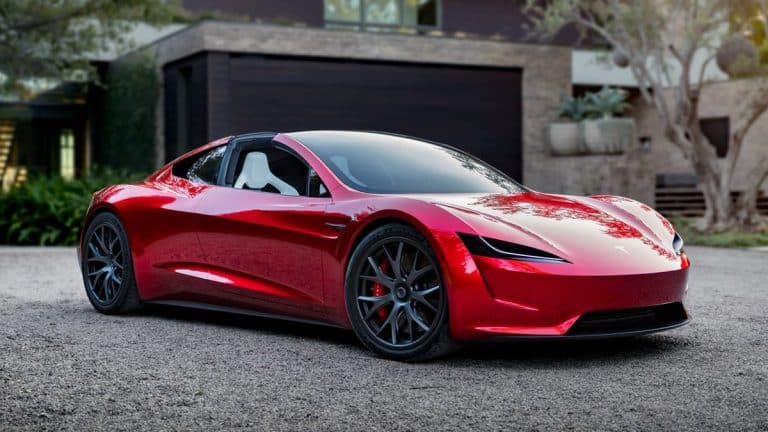
Tesla enthusiasts have been on a rollercoaster with the second-generation Roadster for nearly a decade, and just when April 1, 2026, seemed locked in as the big reveal date, Elon Musk has hit the brakes—pushing it back to late April. Announced via a tweet on March 17, 2026, this shift underscores Tesla’s pattern of prioritizing perfection (or pivoting to other projects) over rigid timelines. Yet, amid the frustration, Musk’s recent hype on the Joe Rogan podcast has reignited excitement, teasing technology “crazier than all James Bond cars combined” and even hovering capabilities. As a professional EV blogger who’s tracked Tesla since the original Roadster, I see this not as a setback, but a sign that the Roadster could redefine supercars.

Elon Musk’s Bold xAI Prophecy: Catching AI Titans by 2026 and Leaving Them in Cosmic Dust by 2029

Elon Musk has never been one to mince words, especially when it comes to his ventures. In a recent reply on X (formerly Twitter) to forecaster Peter Wildeford, Musk dropped a bombshell prediction: xAI will close the 7-month gap to AI frontrunners Anthropic, Google, and OpenAI by the end of 2026. He didn’t stop there—by 2029, xAI will surge so far ahead that “you will need the James Webb Space Telescope to see 2nd place.” This hyperbolic rhetoric is classic Musk: rallying supporters, stoking hype, and challenging the status quo in the blistering AI race.

Elon Musk’s xAI Crisis: “Not Built Right” Admission Sparks Rebuild, Founder Exodus, and Tesla Shareholder Fury

In a stunning admission that has sent shockwaves through the tech world, Elon Musk confessed on X that his AI startup xAI “was not built right first time around” and is now undergoing a complete rebuild “from the foundations up.” This revelation comes just weeks after Tesla poured $2 billion into xAI’s Series E funding round on January 16, 2026—a move that has since converted into a SpaceX stake following the rocket company’s blockbuster acquisition of xAI, valuing the combined entity at a staggering $1.25 trillion. As if that weren’t chaotic enough, xAI has hemorrhaged talent, with 10 of its 12 original co-founders now departed, including heavyweights like Jimmy Ba and Igor Babuschkin. Tesla shareholders are suing Musk for fiduciary breaches, and critics like Electrek argue his empire is crumbling under overextension.

Tesla’s Optimus Takes Center Stage at AWE 2026: Mass Production by Year’s End, Human-Like Hands, and Elon Musk’s Von Neumann Vision

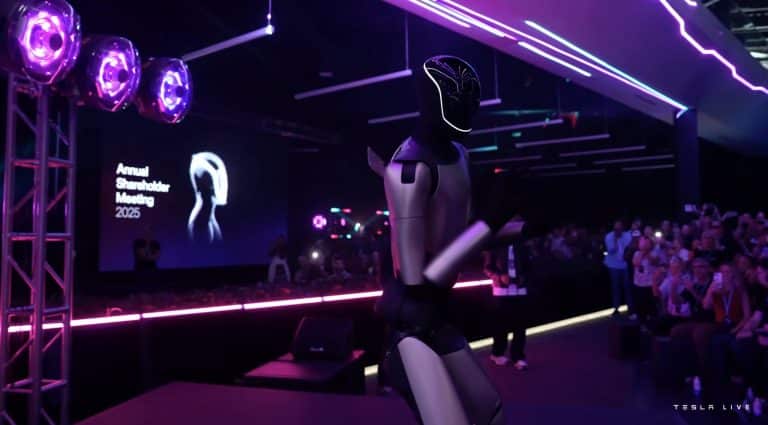
As the curtains rise on AWE 2026 in Shanghai today, March 12, Tesla has once again redefined the boundaries of innovation by showcasing its third-generation Optimus humanoid robot alongside the rugged Cybertruck. This isn’t just another tech demo—it’s a bold statement of intent. On-site reports from expo staff suggest mass production of Optimus could kick off by the end of 2026, aligning with Tesla’s aggressive roadmap to flood factories and homes with these versatile bots. With whispers of million-unit production lines at Fremont and a staggering 10 million annually at Giga Texas, plus tantalizing teases of hyper-dexterous robotic hands from Tesla China, the stage is set for a seismic shift in robotics. And let’s not forget Elon Musk’s sci-fi bombshell: Optimus as the world’s first Von Neumann machine, capable of self-replication to seed civilizations on distant planets.

Load more