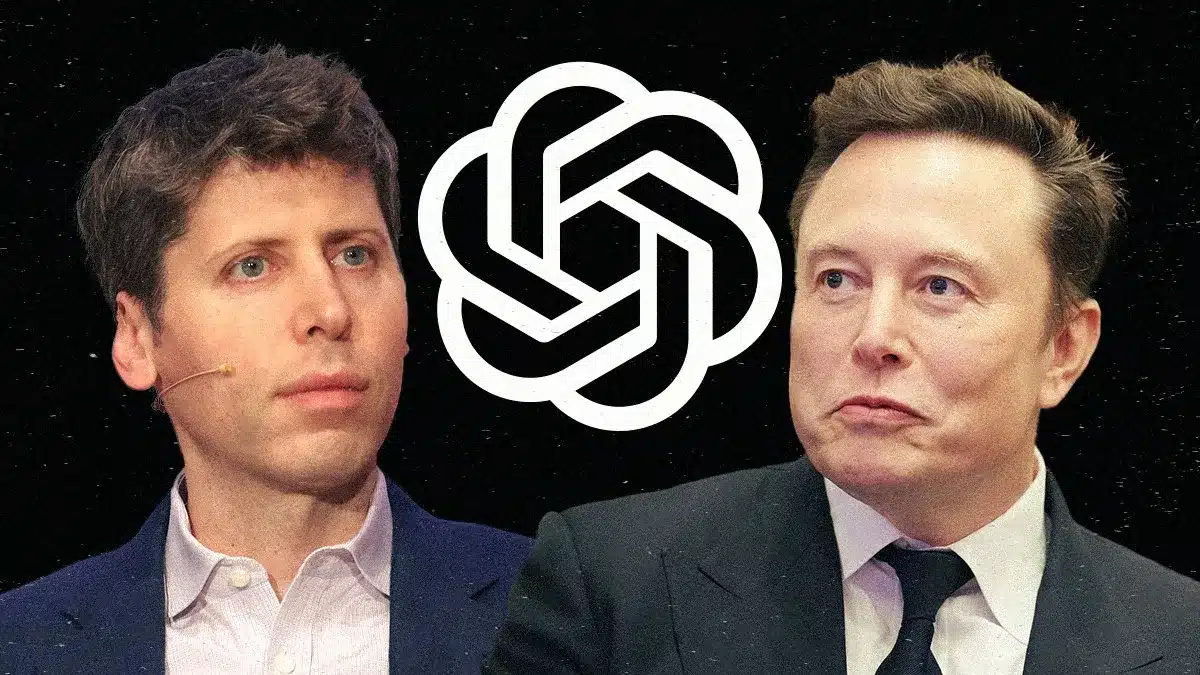
The High-Stakes Chess Game Between Elon Musk and OpenAI: Strategies, Motives, and Potential Fallout
Key Takeaways
- Elon Musk’s $100bn offer for OpenAI was officially rejected, but it may still serve Musk’s strategy to complicate OpenAI’s plans.
- OpenAI’s unusual structure, combining non-profit and for-profit elements, is part of the strategic play, with Musk attempting to inflate the costs of transitioning to a for-profit model.
- Musk’s proposal is seen as an attempt to place a high perceived value on OpenAI’s non-profit segment, increasing costs for Sam Altman if he proceeds with restructuring.
- Some experts believe Musk’s motivations are tied to his delayed progress in AI, as he tries to counter competitors like OpenAI with his company xAI.
- A tense public exchange unfolded between Musk and Altman, with Altman criticizing Musk’s motives, calling them insecure, while Musk labeled Altman a “swindler.”
- The conflict has also entered the legal arena, with a US judge considering Musk’s injunction request to block OpenAI’s transition, despite contradictions with Musk’s previous stances.
- Musk may be using the situation to generate significant media attention and disrupt his rival, though it may risk damaging his reputation.
In the world of artificial intelligence, few conflicts capture the public’s imagination like the one unfolding between Elon Musk and OpenAI. Musk’s audacious $100 billion offer for OpenAI was rejected, but this move seems to be just one piece in a complex strategic game. This blog explores the dynamics of this high-profile clash, examining the underlying motives and potential repercussions on the AI landscape.
Unpacking the Offer: Musk’s Billion-Dollar Power Play
Elon Musk’s recent $100 billion bid for OpenAI might have been officially turned down, but could it still play a crucial role in his strategic playbook? Experts suggest that the proposal might have been less about the acquisition and more about influencing OpenAI’s future trajectory. By making the offer public, Musk may be trying to complicate OpenAI’s plans to shift from its current non-profit model to a for-profit structure, potentially inflating the costs involved in such a transition.
The Double-Edged Sword: OpenAI’s Unusual Structure
One of the most intriguing aspects of this saga is OpenAI’s hybrid structure that incorporates both non-profit and for-profit elements. This duality presents unique challenges and opportunities:
- Non-Profit Arm: Historically, OpenAI has been focused on developing safe and equitable AI for public benefit. Retaining this part of the organization demands adherence to certain ethical guidelines and mission-aligned goals.
- For-Profit Arm: Transitioning to a for-profit model aims to attract more investment and accelerate growth, facilitating OpenAI’s competition with industry giants.
Musk’s financial gambit could force Sam Altman, OpenAI’s CEO, to spend more to untangle these organizational complexities. Consequently, this could delay or potentially derail OpenAI’s strategic ambitions to fully embrace a for-profit future.
Calculating the Motive: Why Musk Needed to Move
Elon Musk’s interests in the advancement of AI are both personal and professional. As the founder of xAI, Musk is no stranger to the competitive race for AI supremacy. His recent maneuvers may be a bid to catch up with or even slow down formidable competitors like OpenAI. Sources speculate that Musk, having realized he’s lagging behind in the AI domain, is intent on stalling OpenAI’s momentum through these intricate business strategies.
The War of Words: Public Exchange and Reputational Risks
The rivalry between Musk and Altman hasn’t been restricted to boardrooms; it’s spilled into the public sphere with sharp exchanges on social media and public interviews. Altman publicly questioned Musk’s motives, describing them as founded on insecurity, while Musk retorted by calling Altman a “swindler.” This tit-for-tat exchange has not only attracted substantial media attention but also sparked discussions regarding the ethical boundaries and public image risks for both industrial leaders.
Setting Up the Legal Chessboard: The Courtroom Drama
Amidst the tense debate, the conflict has entered the legal arena. A US judge is currently assessing Musk’s request for an injunction to block OpenAI’s proposed transition. Musk argues that without legal intervention, he would suffer irreparable harm. The courtroom decisions in this case could set precedents affecting regulatory perspectives on organizational transitions in tech companies.
The Bigger Picture: Musk’s Strategy and Industry Implications
While some believe Musk’s media-driven strategy could grant temporary leverage or hinder rivals, it comes at a potential cost to his reputation. The audacity and publicity of his tactics might raise questions about the ethical standards of billion-dollar battles in the tech industry.
Key Takeaways and Future Projections
- Strategic Implications: Musk’s actions suggest a careful calculation to impact OpenAI’s valuation and business model, possibly delaying its restructuring plans.
- Industry Insights: This dispute highlights the intricacies of balancing growth, profitability, and ethics, which can serve as a case study for future AI companies.
- Reputational Concerns: Both Musk and Altman must navigate this terrain delicately as their formations and public engagement could influence stakeholder trust and corporate credibility.