 Gary Zhou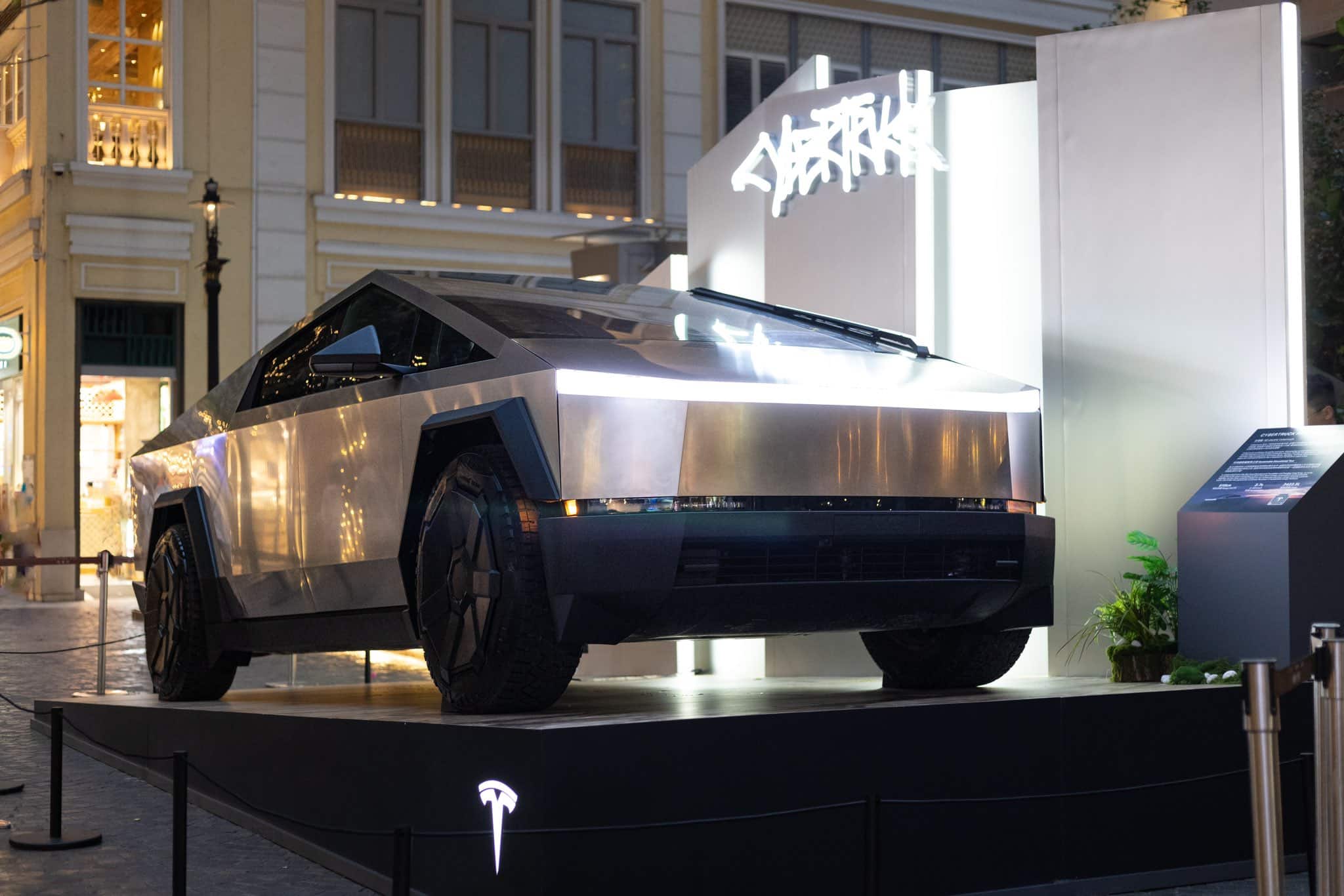
Key Takeaways
- Ford’s decision to stop producing the F-150 Lightning opens up the electric pickup market for Tesla.
- Reduced competition can lead to increased sales for Tesla’s Cybertruck, enhancing its market position.
- Tesla’s leadership in the pure EV sector strengthens as Ford’s retreat highlights the challenges faced by legacy automakers.
- Ford’s shift to hybrids and the associated $19.5 billion charge spark concerns about profitability in the EV market.
- Tesla could see rising demand for larger electric vehicles as Ford exits the space, potentially paving the way for new models.
The world of electric vehicles (EVs) is ever-evolving, and recent developments suggest a significant shift in the competitive landscape, particularly in the electric pickup segment. Ford’s decision to halt production of its all-electric F-150 Lightning after the 2025 model year is sending shockwaves through the industry. This strategic move is not just a pivot for Ford; it presents a golden opportunity for Tesla—a company already dominating the EV landscape. In this blog post, we delve into the implications of Ford’s decision and how Tesla might capitalize on this unexpected turn of events.
Ford’s Strategic Shift: Moving Away from Large EVs
The Rationale Behind the Decision
Ford’s decision to discontinue the F-150 Lightning is rooted in a shift towards hybrids and extended-range EVs equipped with gas generators. This move underscores the harsh reality of sustainable powertrains, which are often simpler in theory than in practice. The focus is now on balancing environmental responsibility with consumer demand and profitability.
Financial Implications
Ford’s strategy shift comes with a hefty $19.5 billion charge, reflecting the financial realities of maintaining large EV production amidst fluctuating market demands. This move raises questions about the economic viability of large EVs and their acceptance by the mainstream market.
Tesla’s Opportunity: Reduced Competition, Increased Dominance
Enhanced Market Position for the Cybertruck
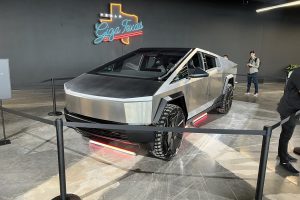
With the F-150 Lightning exiting the scene, Tesla’s Cybertruck now faces significantly reduced competition in the full-size electric pickup market. This could translate to increased sales as fleet and retail buyers committed to fully electric vehicles turn to Tesla as a primary provider.
Reinforced Leadership in Pure EVs
Ford’s pullback highlights ongoing challenges legacy automakers face in the EV sector, such as scaling profitable battery-electric vehicles. Tesla, known for its efficient production methods and vertical integration, strengthens its position as a leader committed to the pure EV model. This move bolsters consumer confidence in Tesla’s long-term commitment to a sustainable automotive future.
Navigating the Challenges Facing Legacy Automakers
The Struggle for Profitability
Legacy automakers, including Ford, grapple with achieving profitability in the pure EV market. The shift to hybrids suggests a step back from the ambitious EV targets set in previous years. This retreat emphasizes the need for sustainable growth strategies tailored to the evolving demands of EV consumers.
Repair and Maintenance Concerns
Another challenge is the less extensive education and training for technicians on new pure EV models. This can lead to higher repair costs and difficulties in scheduling maintenance, further complicating the ownership experience for consumers transitioning from internal combustion engines to electric propulsion.
The Potential for New Tesla Models: Meeting the Demand for Larger EVs
Rising Demand for Larger Electric Vehicles
Ford’s reallocation of resources away from large EVs might prove advantageous for Tesla enthusiasts eagerly awaiting a full-size electric SUV. Tesla’s strategic response could involve unveiling new models that cater to the demand for high-capability electric trucks or SUVs. By capitalizing on this opportunity, Tesla can fill the void created by Ford’s exit and solidify its dominance in the segment.
Anticipating Future Innovations
Tesla has hinted at potential future vehicle releases designed to meet the growing demand for large EVs. Speculation abounds on what these new entries into Tesla’s lineup might be, potentially expanding Tesla’s market share in segments previously dominated by traditional automakers.