 Gary Zhou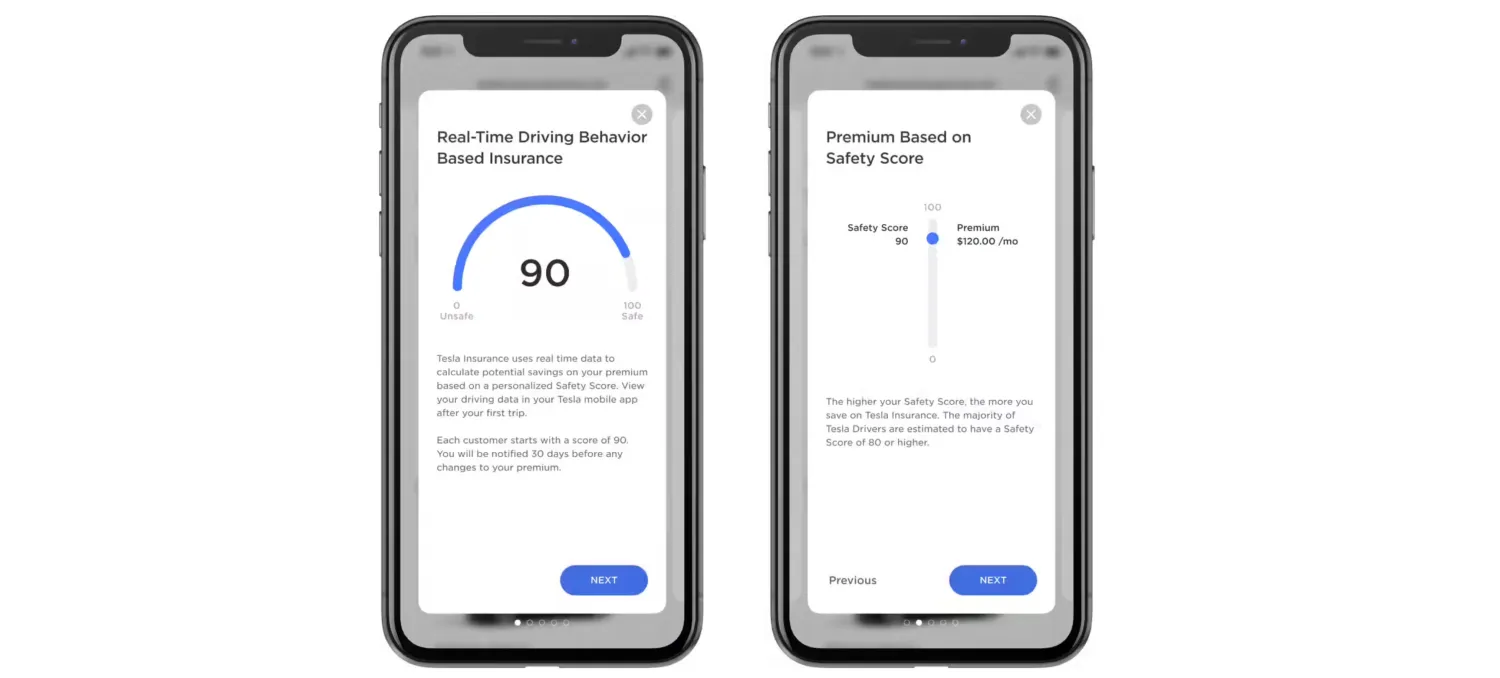
Key Takeaways
- Tesla’s insurance products are currently unsustainable, leading to financial losses.
- The company’s insurance loss ratio was reported at 92.5% in 2023, indicating significant payout issues.
- Tesla utilizes real-time driving data to offer personalized insurance premiums based on a “Safety Score.”
- Despite its claims of lower crash rates, Tesla’s insurance premiums are rising, contradicting their marketing narrative.
- Mixed results from Tesla owners indicate that obtaining lower rates from Tesla insurance compared to competitors is not always successful.
The world of automotive insurance is rapidly evolving, and Tesla, a leader in automotive innovation, finds itself in an intriguing position. This blog post explores the financial and operational challenges Tesla is facing with its insurance products. From analyzing real-time driving data to confronting rising premium costs, Tesla’s approach to insuring its vehicles provides several lessons in the intersection of technology and insurance.
Understanding the Financial Struggles
Tesla has ventured into the insurance sector with the intent of leveraging its comprehensive understanding of its cars and technology. However, recent data reveals that Tesla’s insurance products are currently unsustainable. This unsustainability has been highlighted by a reported insurance loss ratio of 92.5% in 2023.
What is the Insurance Loss Ratio?
The insurance loss ratio is a critical metric that showcases the percentage of premiums paid out in claims. For Tesla, a loss ratio of 92.5% means that for every dollar gained in premiums, 92.5 cents were paid out in claims. This leaves little room for covering other operational costs, leading to financial losses.
The Role of Real-Time Driving Data
One of Tesla’s unique approaches in the insurance industry is the use of real-time driving data. Using their advanced vehicle technology, Tesla collects driving data to create a “Safety Score” which influences how premiums are set for drivers.
Data-Driven Insurance Premiums
- How it Works: Tesla’s system evaluates driving behavior, including factors such as braking patterns, speed, and usage of enhanced features like Autopilot.
- Impact on Premiums: This personalized approach means premiums can be dynamically adjusted based on the Safety Score—a remarkable step towards advantageous pricing for safer drivers.
The Conundrum of Rising Premiums
Despite offering innovative data-driven insurance options, Tesla is experiencing an increase in its insurance premiums. This trend is concerning, especially against the backdrop of Tesla’s marketing narrative that its vehicles are involved in fewer crashes and are cheaper to repair.
Why are Premiums Increasing?
Several factors could contribute to the rising costs:
- Repair Costs: Advanced technology can make repairs more expensive, not less, thereby pushing up the costs covered by insurance.
- Market Trends: General increases in the cost of insurance across the market can affect Tesla as well.
Mixed Reactions from Tesla Owners
Feedback from Tesla owners reveals diverse experiences regarding the company’s insurance offerings. While some enjoy competitive rates thanks to high Safety Scores, others face difficulties in obtaining lower quotes than traditional insurers.
Implications for the Future
Tesla’s insurance model is a fascinating case study in innovation and adaptation. Here are some potential future implications:
- Greater Data Utilization: Continued refinement of Safety Scores may lead to more accurate pricing models.
- Risk Management Strategies: Addressing the financial losses will require strategic moves, possibly involving revisions in coverage options or premium calculations.