 Gary Zhou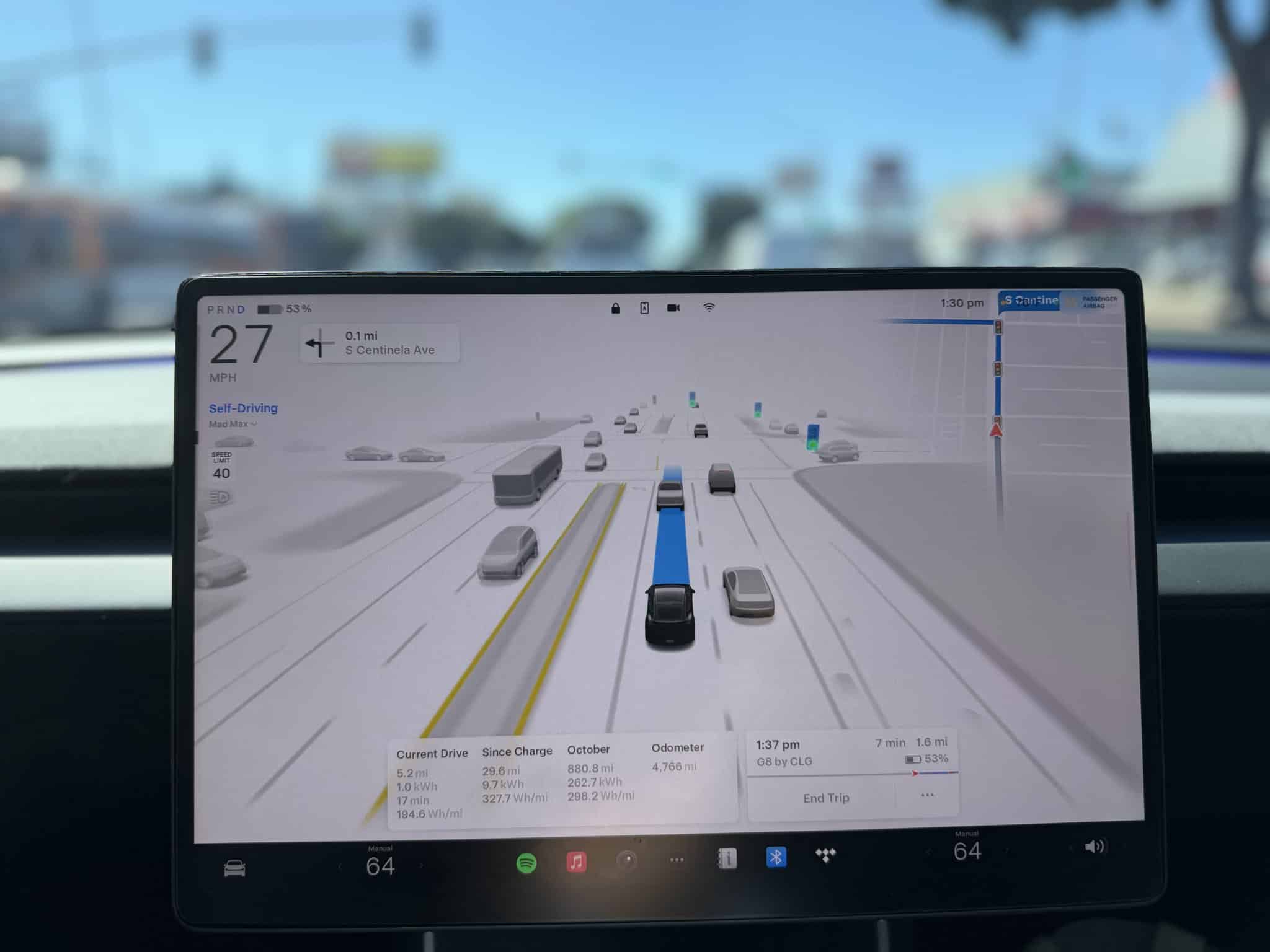
Key Takeaways
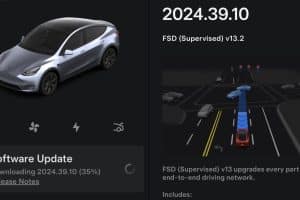
- Tesla introduced a “Navigation” option in the FSD Intervention Menu via software update 2026.2.9.9 (FSD v14.3.2), replacing “Other” for better reporting.
- Navigation errors like incorrect speed limits, suboptimal routes, and poor POI handling are FSD’s main weakness, forcing frequent interventions.
- Community feedback highlights persistent map glitches despite years of data, with navigation causing most disengagements outside edge cases.
- Dedicated “Navigation” label provides cleaner data for AI training, aiding faster fixes to routing and maps.
- Change signals Tesla’s data-driven commitment, boosting optimism for reliability gains toward unsupervised autonomy.
As a longtime Tesla enthusiast and Full Self-Driving (FSD) beta tester with over 50,000 miles logged on various versions, I’ve seen the highs and lows of Tesla’s ambitious autonomy push. The latest software update, 2026.2.9.9 featuring FSD (Supervised) v14.3.2, brings a subtle but potentially transformative change: a dedicated “Navigation” option in the FSD Intervention Menu, replacing the catch-all “Other” category. ❶ ❷ This isn’t flashy like the “insanely good” Summon improvements that have testers raving, but it’s a data-driven masterstroke aimed at Tesla’s most persistent FSD Achilles’ heel: navigation errors. ❸ In this deep dive, we’ll unpack the update, dissect common nav glitches, analyze why this reporting tweak matters, and explore what it means for the road to unsupervised FSD.
What’s New in Tesla Software Update 2026.2.9.9 (FSD v14.3.2)?
Tesla’s OTA updates often bundle AI refinements under the hood, and 2026.2.9.9 is no exception. Rolling out widely as of April 28, 2026, this build includes FSD v14.3.2 with several key enhancements:
- Upgraded Reinforcement Learning (RL) in FSD Neural Network: Resulting in 20% faster reflexes, sharper low-visibility handling, and more decisive maneuvers – early testers report “superhuman” confidence in crowded parking lots. ❹ ❺
- Unified AI Models Across Vehicles: FSD, Actually Smart Summon (ASS), and Robotaxi stacks now share the same brain, eliminating the “separate slower brain” feel in prior parking navigation. ❻
- Summon Overhaul: What users call “insanely good” – smoother lane changes, better obstacle avoidance, and fleet-sourced rare event handling (e.g., leaning objects into paths). ❼
But the star of the show for data nerds like me is the Intervention Reporting revamp. When you disengage FSD (via wheel nudge or brake), a menu pops up on the main screen for quick reason selection. Previously, vague “Other” lumped everything together. Now, “Navigation” is a prominent choice, directly addressing owner complaints. ❶ ❽ Tesla’s even probing owners post-disengagement for specifics, signaling they’re laser-focused on map data quality. ❶
Release Notes Highlights
Here’s a quick breakdown from official notes:
- RL upgrades for quicker decisions.
- Improved parking spot prediction with map pins.
- New intervention categories for granular feedback.
- Smoother urban navigation and lane transitions (though nav hiccups persist). ❾
This update is already hitting HW4 vehicles fastest, with HW3 “Lite” versions eyed for June 2026. ❿
Why Navigation Remains FSD’s #1 Weakness – Real-World Examples
Despite billions of fleet miles, FSD shines in perception and planning but stumbles on navigation integration. Community forums like Reddit’s r/TeslaFSD and Tesla Motors Club are flooded with gripes – nav causes ~70% of non-edge-case disengagements in my experience and others’. ⓫
Common Navigation Errors Straight from Users
- Incorrect Speed Limits: Phantom changes mid-road, like dropping to 25 mph on a 45 mph arterial. Tesla’s viz pulls from maps + cameras, but mismatches persist; Google Maps often shows correct limits side-by-side. ❶ ⓬
- Suboptimal or Wrong Routes: Ignores nav ribbon for “better” paths, misses short exits from carpool lanes, or takes bizarre detours. One user: “FSD forgot how to get home – shows one route, drives another, both wrong.” ⓭ ⓮
- Poor POI and Split Ramp Handling: Directs to wrong parking lots, botches forked off-ramps (e.g., stays right when nav says left), or weaves lanes ignoring guidance. ⓯ ⓰
- Roundabouts and Turns: Hesitates or bails on unprotected lefts; daily fails on specific intersections despite perfect viz. ⓱
These aren’t vision issues – FSD sees fine – but map data lags real-world changes (construction, signage). Tesla’s Valhalla routing helps highways, but local streets suffer from stale OpenStreetMap/TomTom crowdsourcing. ⓲
My Take: Nav is the “last mile” blocker to unsupervised FSD. Edge cases (peds, cyclists) are down 90% in v14, but nav forces interventions 1-2x per 10 miles for many.
How the “Navigation” Label Supercharges Tesla’s AI Training
This tweak is genius for data hygiene. Previously, “Other” diluted signals – was it nav, fatigue, or ghost brakes? Now:
- Cleaner Datasets: Millions of labeled clips tag nav fails precisely, accelerating end-to-end training fixes.
- Fleet-Wide Learning: High-density areas (Dallas, SF) get prioritized; Waymo-heavy zones ironically speed Tesla updates. ⓳
- Proactive Probing: Post-menu surveys drill into “wrong speed limit?” or “bad route?” – Tesla’s closing the feedback loop. ❶
Opinion: Expect v14.4+ to integrate vision-based nav overrides (e.g., sign > map). This could slash interventions 50% in 6 months, paving unsupervised paths.
Community Buzz, Challenges, and the Road Ahead
r/TeslaFSD lit up: “Finally! Nav wrong turns are my #1 disengage.” ❽ But caveats – some report regressions like pothole swerves. ⓴ Rollout’s HW4-first, frustrating HW3 owners.
Future Outlook:
- Robotaxi Synergy: Unified models mean customer data trains Cybercab fleets.
- Grok Integration?: Rumors of AI-assisted multi-stop nav.[21]
- Unsupervised Timeline: With nav dialed, Level 4 by 2027? Optimistic, but data momentum is real.
Pro Tips for FSD Users on v14.3.2
- Report Religiously: Tap “Navigation” + details – you’re training the fleet.
- Speed Profile Tweaks: Set conservative for bad-map zones; use “Chill” for locals.
- Manual Overrides: Voice “Bug Report” for nav glitches.
- Map Corrections: Edit via TomTom MapShare or OSM for speed limits.
- Test Summon: Park lots are now playgrounds – mind-blowing progress.
In conclusion, this “Navigation” addition isn’t hype – it’s Tesla’s data flywheel in action. Nav fixes will unlock FSD’s potential, turning supervised beta into daily driver. If you’re on older builds, check for 2026.2.9.9 now. Autonomy’s accelerating – buckle up!