 Gary Zhou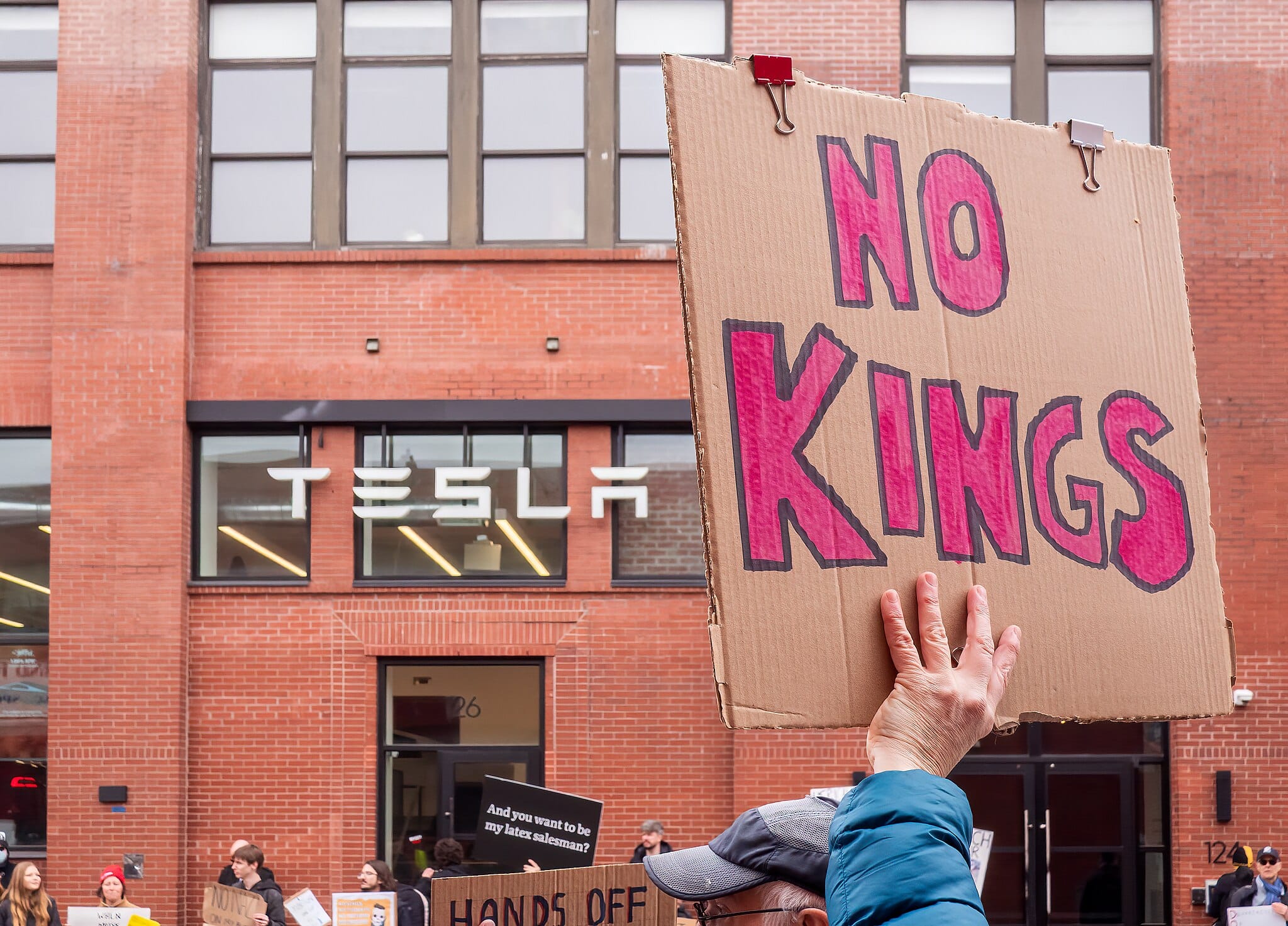
Key Takeaways
- A global protest called “Tesla Takedown” is scheduled for November 15 against Elon Musk’s performance award.
- The movement aims to combat excessive corporate power and wealth concentration, emphasizing peaceful demonstrations.
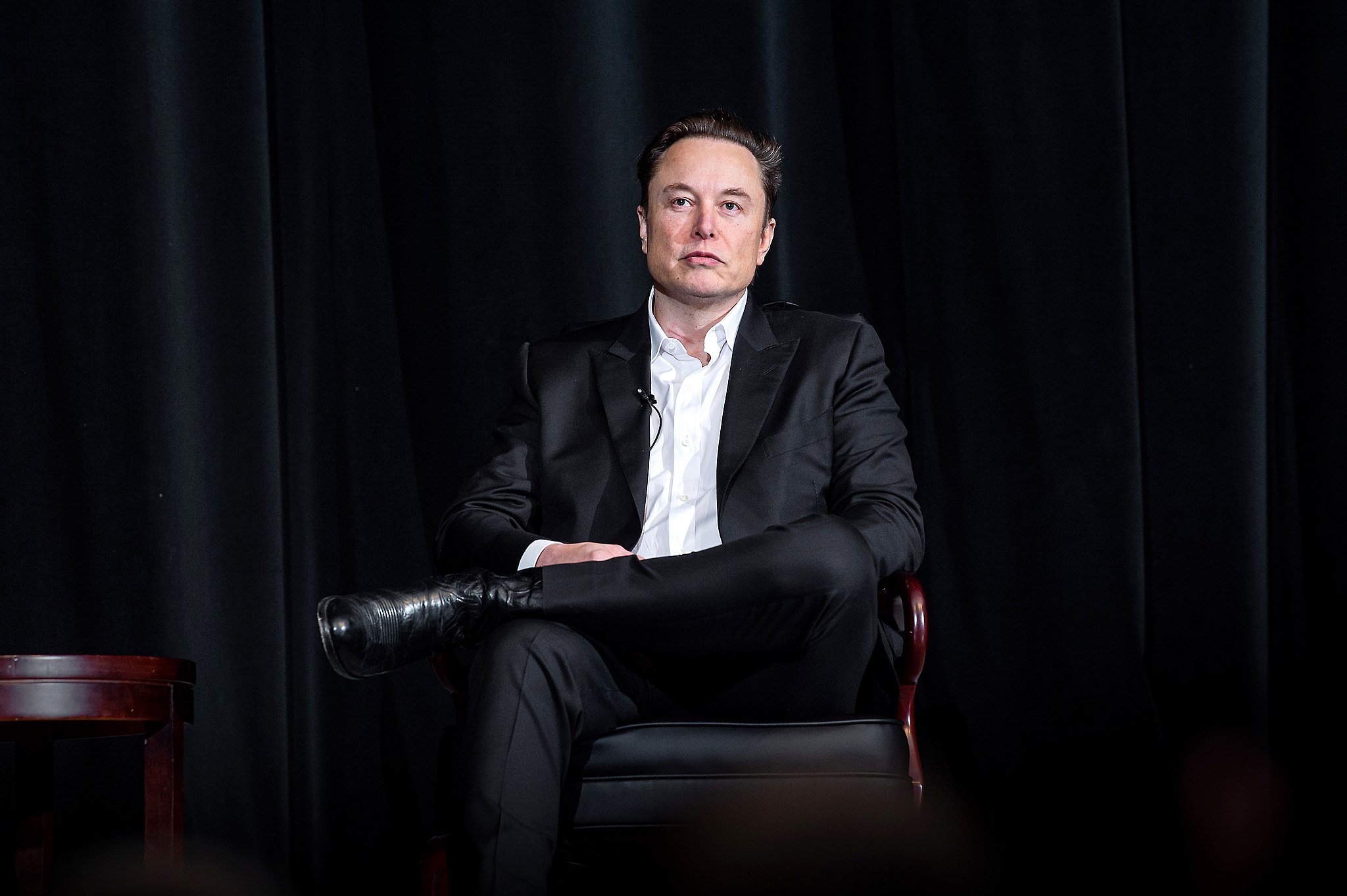
- Organizers believe Musk’s potential rise to trillionaire status poses a threat to democracy, linking his pay to ambitious performance goals.
- The group promotes peaceful assembly and opposes violence, contrasting past protests that resulted in chaos and arrests.
- Musk’s proposed pay plan has garnered over 75% support from Tesla shareholders at the annual meeting.
In a world increasingly dominated by tech giants and billionaire leaders, a global protest named “Tesla Takedown” is making waves. Scheduled for November 15, this movement seeks to challenge the rising corporate power and wealth concentration epitomized by Elon Musk’s notable performance award. As concerns around economic inequality and corporate influence in democracy continue to grow, this protest has garnered attention worldwide.
Understanding the Tesla Takedown Movement
The Tesla Takedown is a coordinated Day of Action where activists and protestors globally will unite to express their concerns regarding Elon Musk’s newly approved 2025 performance award. This effort is not just about targeting Musk individually but addressing what organizers view as a broader systemic issue – the excessive concentration of wealth and power in the hands of a few.
Objectives of the Protest
- Combat Excessive Corporate Power: The movement primarily aims to raise awareness about the disproportionate corporate power held by individuals like Musk, emphasizing the need for more equitable wealth distribution.
- Promote Peaceful Demonstrations: Unlike some past protests that escalated into violence, Tesla Takedown organizers stress their commitment to peaceful assembly, advocating for lawful and non-violent expressions of dissent.
- Preserve Democracy: By opposing the idea of billionaires wielding unchecked influence, protestors argue that democracy is at stake when wealth becomes concentrated in a few hands.
Analyzing Musk’s Performance Award
Elon Musk’s performance award, recently approved with over 75% support from Tesla shareholders, is based on ambitious operational and stock price milestones. This includes Tesla potentially becoming the world’s most valuable company with a market cap of $8.5 trillion. Here’s why this matters:
Implications of the Pay Plan
- Economic Impact: If Musk achieves the stipulated benchmarks, it could solidify his position as the world’s first trillionaire, further amplifying discussions around wealth inequality.
- Performance Goals: His pay is directly linked to meeting extraordinary targets, such as delivering 20 million Tesla vehicles, 10 million active FSD subscriptions, and deploying 1 million Robotaxis.
- Shareholder Influence: With significant shareholder backing, it’s essential to explore how these performance-based incentives could sway corporate governance and stakeholder priorities.
Challenges and Controversies
Despite its strategic goals, the Tesla Takedown movement faces challenges, notably the task of maintaining peaceful protests. Past initiatives have occasionally led to arrests and violent altercations, raising questions about effective mobilization strategies.
Ensuring a Peaceful Protest
Organizers are acutely aware of past incidents and emphasize peace and non-violence to prevent chaos from detracting from their message. Transparency, communication, and coordination with local authorities play a crucial role in ensuring that the focus remains on constructive dialogue and measured action.
The Tesla Takedown represents a significant chapter in the interplay between corporations, wealth, and democracy. As the protest unfolds on November 15, it promises to spark important conversations about our collective future and the balance between economic growth and social equity.