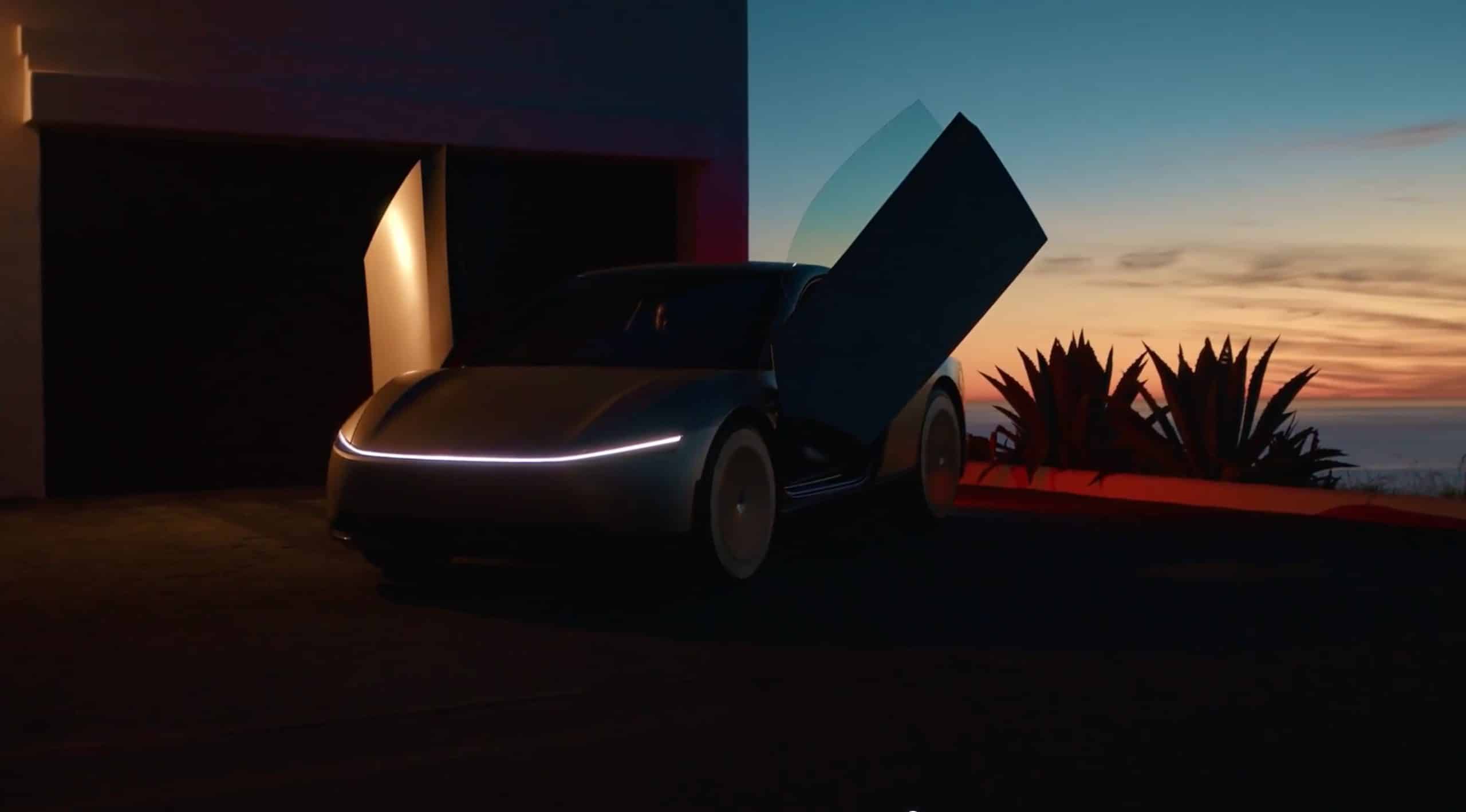
Tesla Cybercab Ignites the Robotaxi Revolution: From Giga Texas Milestones to Nationwide Expansion in 2026
Key Takeaways
- Tesla’s golden era of autonomous ridesharing is underway with Cybercab teasers showing driverless vehicles at homes.
- First Cybercab rolled off Giga Texas line on February 17, 2026; volume production targeting April 2026.
- Cybercab designed without steering wheel, pedals, or mirrors for unsupervised autonomy; manufacturing like consumer electronics with 10-second cycle time.
- Drone footage from April 13 shows over 50 Cybercabs at Giga Texas near crash testing facility.
- Cybercab to sell under $30,000; owners can join Tesla Robotaxi network to earn income offsetting costs.
- Robotaxi service expanding to 7 new cities in H1 2026: Dallas, Houston, Phoenix, Miami, Orlando, Tampa, Las Vegas; driverless in Austin.
- Public road testing of Cybercab in 5 states: California, Texas, New York, Illinois, Massachusetts.
As a seasoned tech blogger specializing in electric vehicles and autonomous driving, The story of Tesla’s ambitious pivot to full self-driving goes back to the early days of Full Self-Driving (FSD) beta But 2026 is proving to be the year everything changes. With the first Cybercab rolling off the Giga Texas production line, drone footage revealing fleets of driverless wonders, and Robotaxi services expanding to major U.S. cities, Tesla’s “golden era of autonomous ridesharing” isn’t hype—it’s happening now.❶In this deep dive, we’ll unpack the latest developments, analyze what they mean for consumers and investors, and explore why the Cybercab could redefine urban mobility.
Production Milestones: From First Unit to Volume Ramp-Up
Tesla doesn’t miss a beat when it comes to timelines, and the Cybercab is no exception. OnFebruary 17, 2026, the very first production Cybercab—completely devoid of a steering wheel, pedals, or side mirrors—rolled off the assembly line at Gigafactory Texas.❷ ❸This wasn’t just a prototype; it was a fully built unit signaling the shift to low-volume production ahead of the big push.
Fast-forward to mid-April, and excitement is building. Drone footage fromApril 13, 2026, captured by aerial observer Joe Tegtmeyer, showsover 50 Cybercabs(reports vary from 53 to 60 units) staged near the crash testing facility at Giga Texas. These vehicles were actively driving in groups on outbound lots, hinting at rigorous pre-volume testing.❹ ❺Elon Musk has repeatedly reaffirmedvolume production starting in April 2026, with the line designed for a blistering10-second cycle time—treating cars like consumer electronics rather than traditional autos.❻ ❼
Here’s a quick timeline of key production events:
- February 17-18, 2026: First Cybercab off the line. ❽
- March 2026: Early sightings of production line activity and initial crash testing. ❾
- April 8-13, 2026: Record fleets (50-60 units) spotted, crash testing ramps up. ❿
- H2 2026: Mass production scales to hundreds per week. ⓫
My Take: Tesla’s unboxed manufacturing process is a game-changer. By assembling Cybercabs in parallel “cells” instead of linear lines, they’re slashing costs and boosting efficiency. If they hit those targets, expect Cybercabs flooding roads by summer.⓬
Revolutionary Design: Built for Unsupervised Autonomy
The Cybercab isn’t a car—it’s apurpose-built robotaxi. No steering yoke, no pedals, no mirrors: pure Level 4/5 autonomy from day one.❸Recent drone shots even peeked under the hood, revealing a compact layout optimized for efficiency and low maintenance.
Key features include:
- Inductive charging: No plugs, seamless docking for 24/7 operation.
- Two-seater cabin: Luxurious, spacious for ridesharing pairs or solos.
- AI-driven safety: Tesla’s FSD v15+ promises “100% unsupervised” rides, with real-world testing already underway. ⓭
- Crash-tested resilience: Units are being pulverized at Giga Texas to meet (and exceed) safety standards. ❹
Insight: Competitors like Waymo are geo-fenced to small areas, but Tesla’s vision-only FSD scales globally. Early Austin deployments without safety drivers prove it.⓮
Pricing and the Owner Earnings Goldmine
At under $30,000(with whispers of $25,000 builds), the Cybercab democratizes ownership.⓯ ⓰ But the real magic? Tesla’s Robotaxi network, where owners add their Cybercab to the fleet and earn passive income.
Projections from analysts and calculators:
- Annual revenue per Cybercab: $32,000–$70,000 (assuming 50-100k miles/year at $0.65–$1/mile). ⓱
- Tesla’s cut: ~25-35%, leaving owners ~$20k–$50k profit after costs.
- ROI Example: Buy for $30k, earn $40k/year—payoff in under a year.
| Scenario | Miles/Year | Revenue | Tesla Cut (30%) | Owner Profit |
|---|---|---|---|---|
| Conservative | 50,000 | $32,500 | $9,750 | $22,750 ⓲ |
| Aggressive | 100,000 | $70,000 | $21,000 | $49,000 ⓳ |
Advice for Aspiring Owners: Start saving now. With fleets scaling, early adopters could build mini-empires (e.g., $6k downpayment seeds 300+ units).⓴Factor in insurance (~$1k/year) and maintenance (minimal due to over-the-air updates).
Robotaxi Expansion: 7 New Cities, Driverless Austin Leads the Charge
Tesla’s Robotaxi service is exploding. From Austin and Bay Area pilots, it’s eyeing7 new cities in H1 2026:
Austin goes fully driverless(no safety monitors), with unsupervised FSD already live.[23]Public road testing spans5 states: California, Texas, New York, Illinois, Massachusetts—regulatory wins unlocking scale.[24]
H3: Competitive Edge Over Waymo?Waymo hit 10 cities but with tiny geofences (e.g., 25 sq mi in Houston). Tesla aims for 70% U.S. population coverage rapidly.[25]
Challenges and Future Outlook
Regulatory hurdles remain—California’s zero test miles in 2025 show caution—but Texas’ friendly laws give Tesla a head start.[26]Safety data will be key; expect millions of unsupervised miles logged by EOY.
Opinion: This isn’t incremental—it’s disruptive. Ridesharing costs could drop 50%, owning a “money printer” Cybercab beats Ubers. Investors: TSLA to $460+ on Robotaxi hype.[27]For consumers: Ditch your garage queen; let AI pay the bills.
In summary, Tesla’s Cybercab isn’t future tech—it’s here, scaling fast. The autonomous era has begun.