 Gary Zhou
Key Takeaways
- SpaceX successfully launched the Ax-4 mission to the ISS with a historic international crew on June 25, 2025.
- The mission is commanded by U.S. astronaut Peggy Whitson, featuring crew members from India, Poland, and Hungary.
- The Ax-4 crew will conduct over 60 scientific experiments during their 14-day mission aboard the ISS.
- The mission aims to inspire future generations by engaging with students around the world through shared experiences.
- Ax-4 reinforces international collaboration in space exploration, marking the first government-sponsored flights for some countries in over 40 years.
In an era where space exploration continues to captivate humanity’s imagination, the recent launch of SpaceX’s Ax-4 mission to the International Space Station (ISS) heralds a new chapter in international collaboration and scientific innovation. Spearheaded by Axiom Space, this mission is a testament to the power of global partnerships and lays the groundwork for unprecedented scientific endeavors.
The Ax-4 Mission: A Multinational Effort
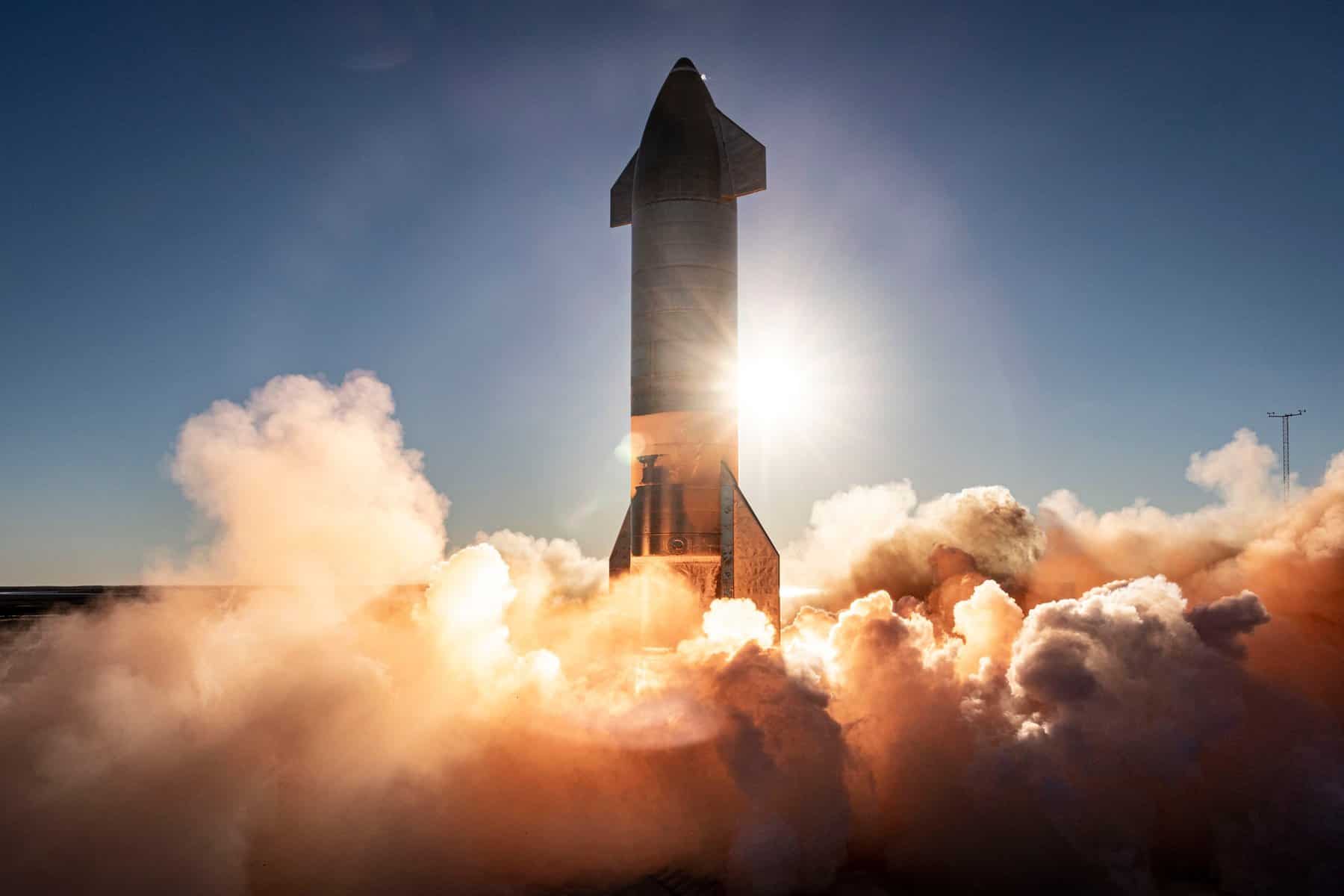
On June 25, 2025, the world witnessed a remarkable event as SpaceX’s Falcon 9 rocket successfully propelled the Ax-4 mission into orbit from the iconic Kennedy Space Center. This mission is distinguished not only by its groundbreaking scientific agenda but also by its diverse and historic crew. Commanded by the veteran U.S. astronaut Peggy Whitson, the team includes Shubhanshu Shukla from India, Sławosz Uznański-Wiśniewski from Poland, and Tibor Kapu from Hungary. This unique composition marks a significant milestone, as it brings government-sponsored spaceflights back into the fold for these nations after more than four decades.
A Science-Driven Sojourn in Space
Unveiling Scientific Mysteries
During their 14-day stay aboard the ISS, the Ax-4 crew is set to conduct a plethora of scientific experiments, exceeding 60 in total. These experiments span a wide array of disciplines, focusing on biological, material, and physical sciences, as well as technology demonstrations. Each experiment is meticulously designed to expand our understanding of space’s unique environment and its implications for science and technology on Earth.
Key Areas of Research
- Biological Sciences: Understanding the effects of microgravity on biological organisms to enhance medical research and treatments.
- Material Sciences: Investigating new materials that could revolutionize industries ranging from aerospace to consumer electronics.
- Physical Sciences: Conducting physics experiments that can only be performed in space to unlock new theories or validate existing ones.
Inspiring Future Generations
One of the Af-4 mission’s noble objectives is to engage and inspire the next generation of space explorers. Through live interactions and educational outreach, the crew will share their real-time experiences with students globally, fostering a passion for science, technology, engineering, and mathematics (STEM). Peggy Whitson emphasizes the value of these interactions, aiming to plant seeds of curiosity and ambition in young minds around the world.
A New Dawn for Global Space Cooperation
The Ax-4 mission represents more than just scientific pursuit; it is a beacon of international cooperation in space. By bringing together diverse nationalities and garnering support from agencies like NASA and the European Space Agency, it strengthens ties among nations and sets a precedent for future collaborative efforts. It embodies a unified vision of exploration beyond national borders, celebrating a shared commitment to discovering the unknown.
Reflections and Future Directions
As the Ax-4 mission unfolds, it becomes clear that such multinational cooperation is not only beneficial but essential for the future of space exploration. By leveraging the strengths and perspectives of different countries, the space sector can achieve a more comprehensive and inclusive approach to solving cosmic mysteries.