SpaceX rapidly reuses converted Falcon Heavy booster
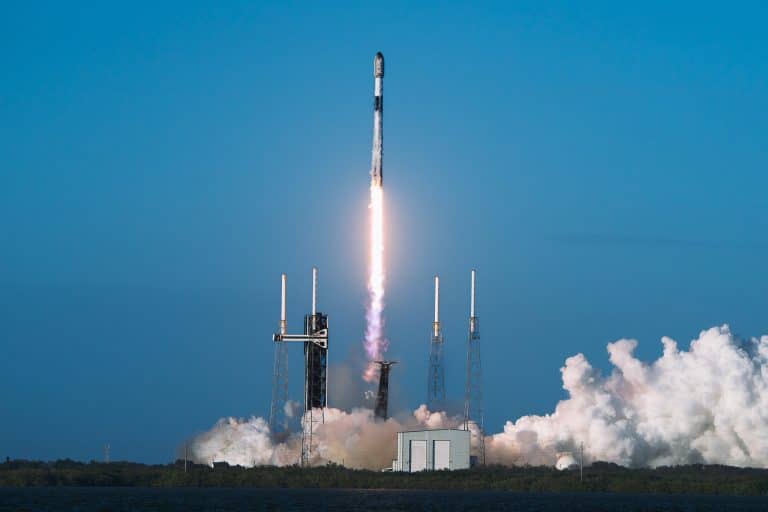
SpaceX has reflown a converted Falcon Heavy side booster just 37 days after its first mission as a Falcon 9 rocket, successfully delivering a batch of Starlink satellites to low Earth orbit (LEO) in the process.
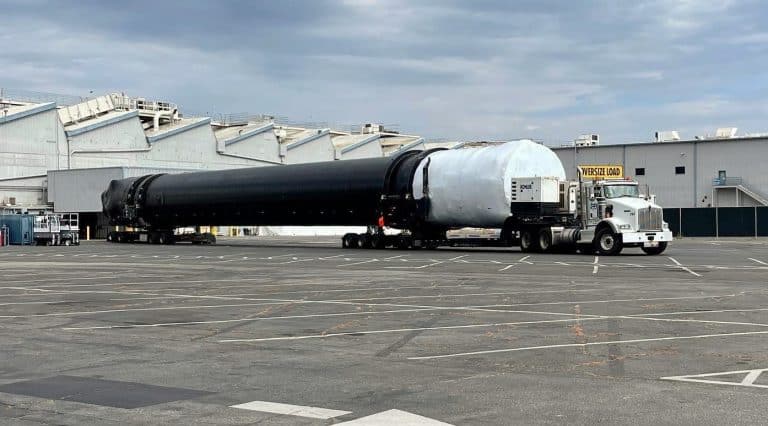
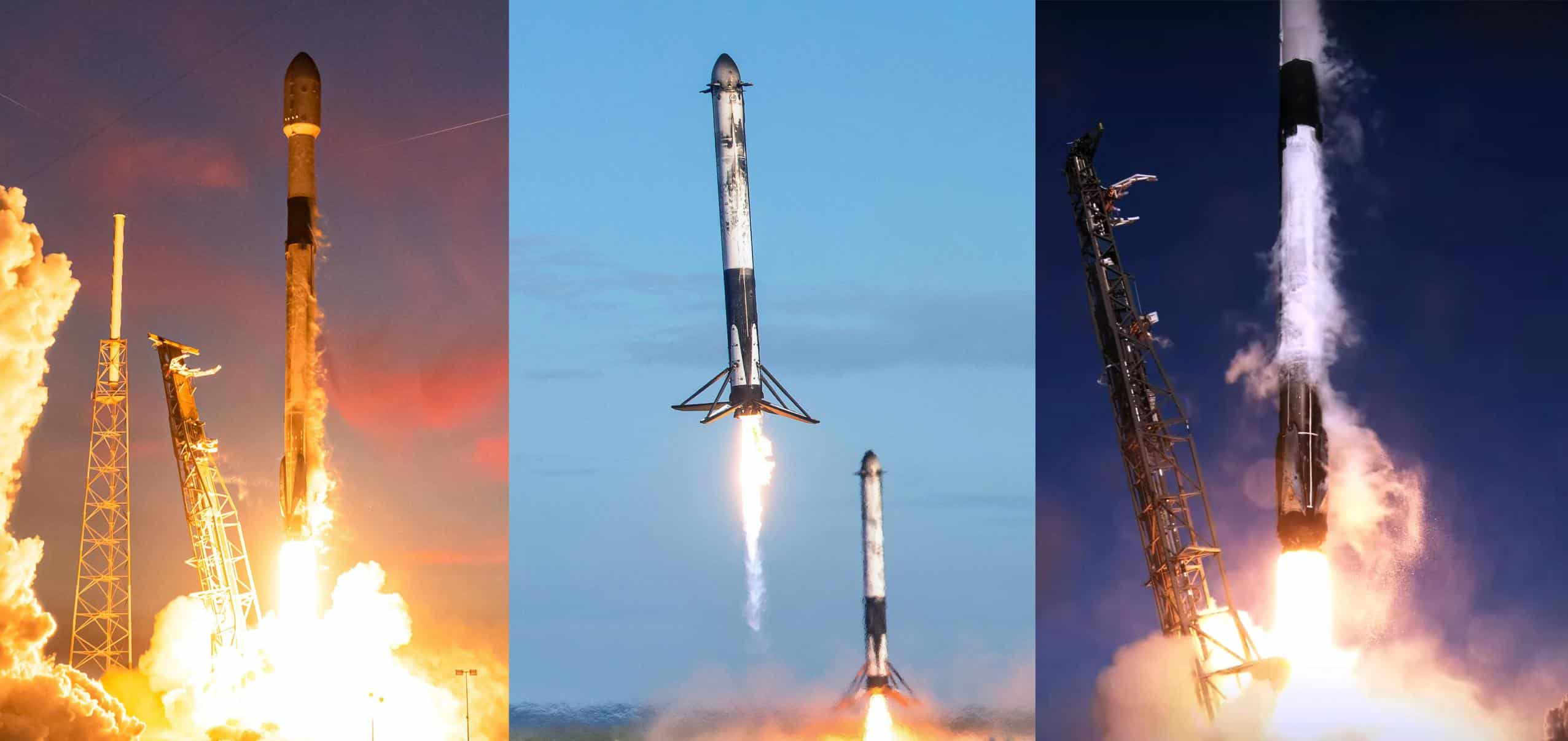
Booster B1052 first flew in April 2019 as part of Falcon Heavy Block 5’s launch debut. The same side core was reused two and a half months later in June 2019 but was then unceremoniously ushered into an unknown warehouse. Despite earlier statements from CEO Elon Musk indicating that new Block 5 Falcon Heavy side boosters could be quickly and easily converted into Falcon 9 boosters, B1052 remained mothballed in storage for the better part of two and a half years. Only in December 2021 – almost 30 months after its last launch – did the former Falcon Heavy side core finally reappear in the form of a Falcon 9 booster.
A month and a half later, on January 31st, Falcon 9 B1052 debuted with the flawless launch of Italy’s CSG-2 Earth observation satellite, subsequently becoming the first SpaceX booster of any kind to complete three back-to-back ‘return-to-launch-site’ landings.
Now, less than six weeks later its Falcon 9 debut, SpaceX has successfully launched B1052 for the fourth time, completing what is likely the first of many more Starlink launches in the booster’s future. Aside from demonstrating the efficacy of SpaceX’s Falcon Heavy side core conversion process, B1052’s rapid reuse is actually the fourth shortest turnaround of any Falcon booster – just behind one 36-day and two 27-day turnarounds.
Beyond B1052, Starlink 4-10 was also SpaceX’s fourth Starlink launch (and 191st satellite launched) in 16 days, as well as the company’s 10th launch of 2022 – representing an average of one launch every 6.8 days in the first ten weeks of the year. SpaceX has already scheduled another Starlink launch – likely Starlink 4-12 – in mid-March.