 Gary Zhou
Key Takeaways
- SpaceX launched Crew-12 on Falcon 9 from SLC-40 at Cape Canaveral on February 13 at 5:15 a.m. Eastern, sending Crew Dragon Freedom to the ISS.
- Crew includes NASA astronauts Jessica Meir and Jack Hathaway, ESA’s Sophie Adenot, and Roscosmos cosmonaut Andrey Fedyaev.
- First-ever Falcon 9 booster landing at new Landing Zone 40 (LZ-40), built adjacent to SLC-40.
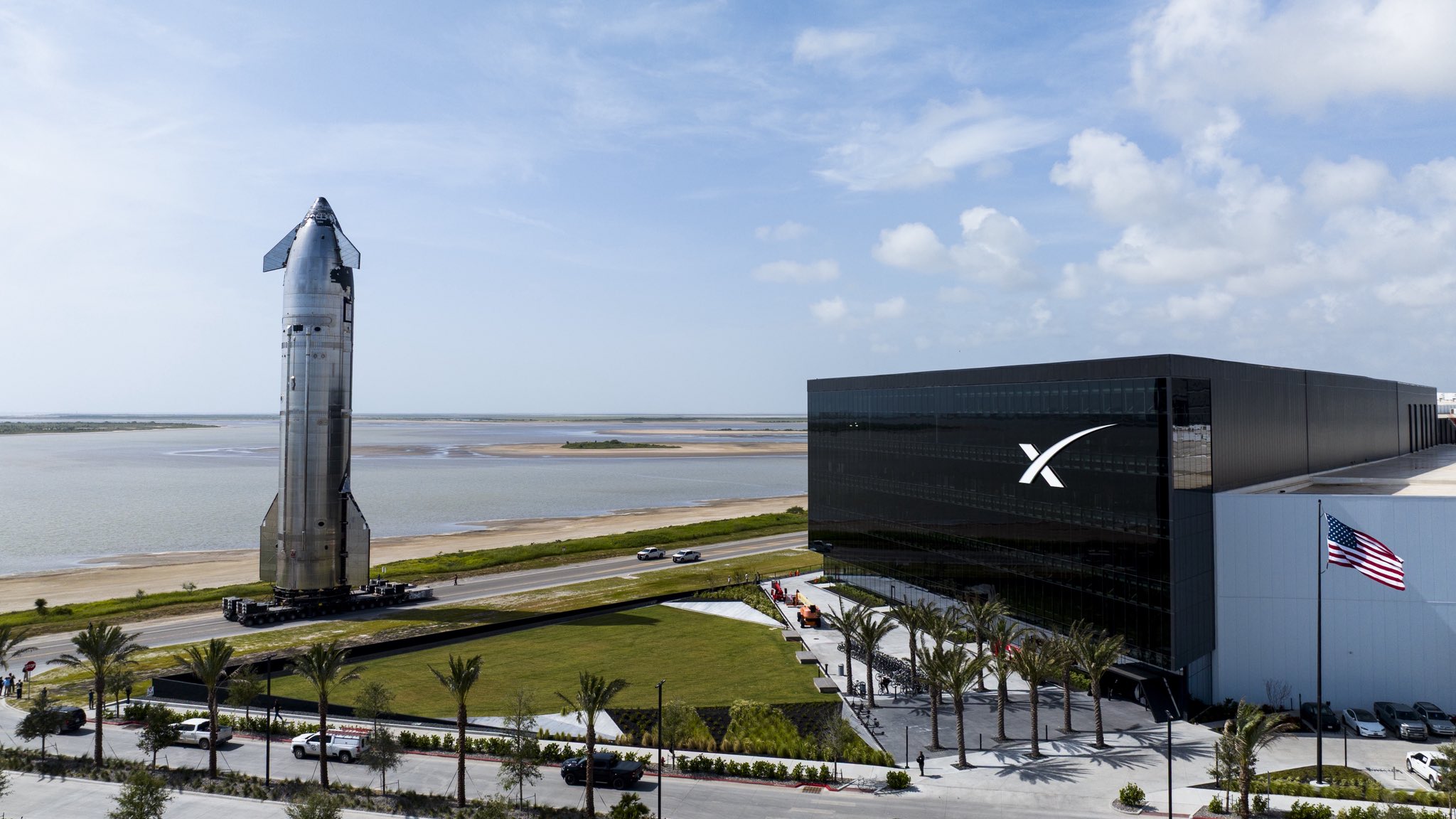
- NASA shifting Dragon crew/cargo launches to SLC-40 to reserve LC-39A for Falcon Heavy and Starship.
- Crew-12 set to dock with ISS on February 14 and stay for about eight months.
- LZ-40 replaces distant LZ-1 (now for other providers), cutting transport time for quicker reuse.
- Bill Gerstenmaier (SpaceX VP) highlighted efficiency gains from close launch-landing setup, like at Vandenberg.
What a way to kick off the year! On February 13, 2026, at precisely 5:15 a.m. Eastern Time, SpaceX etched another milestone into the annals of spaceflight history. A Falcon 9 rocket thundered off Space Launch Complex 40 (SLC-40) at Cape Canaveral Space Force Station, propelling the Crew Dragon Freedom toward the International Space Station (ISS). But this wasn’t just any crew rotation—it doubled as the debut of Landing Zone 40 (LZ-40), SpaceX’s shiny new booster touchdown pad right next to the launch site. ❶ ❷
As a space enthusiast who’s followed Elon Musk’s audacious vision since the early Falcon 1 days, I can tell you this launch feels like a pivotal pivot. It’s not hyperbole to say we’re witnessing the maturation of reusable rocketry in real-time, streamlining operations and paving the way for an even busier manifest ahead. In this deep dive, we’ll unpack the mission details, crew profiles, groundbreaking infrastructure, and what it all means for the future of human spaceflight.
The Spectacular Liftoff: Crew-12 Mission Breakdown
The Crew-12 mission marks NASA’s 12th operational Commercial Crew Program flight and the 20th crewed orbital jaunt for a Crew Dragon spacecraft. ❸ Liftoff occurred flawlessly under the pre-dawn Florida sky, with the Falcon 9’s 1.7 million pounds of thrust piercing the darkness. Following a textbook ascent, stage separation, and second-stage burn, the Crew Dragon Freedom achieved orbit, setting the stage for an autonomous docking with the ISS on February 14—today, as I write this. ❸
This eight-month expedition (roughly 240 days) arrives at a critical juncture for the ISS. With recent medical evacuations thinning the station’s ranks, Crew-12 brings much-needed reinforcements to keep science humming. ❹ The crew will rotate with Expedition 72/73 inhabitants, ensuring continuous habitation and research.
Key Mission Timeline
- Launch: Feb 13, 2026 – 5:15 a.m. EST from SLC-40. ❺
- Docking: Feb 14, 2026 – Expected early morning EST.
- Splashdown: ~October 2026, off Florida’s coast.
- Orbit Duration: Approximately 8 months, aligning with NASA’s long-duration mission standards.
Meet the International Crew: Trailblazers Bound for the Stars
Crew-12 boasts a truly global lineup, embodying the collaborative spirit of modern space exploration. Commanding the mission is NASA astronaut Jessica Meir, a veteran of Expedition 61/62 aboard Soyuz MS-15 in 2019-2020. Her biomedical expertise will shine in microgravity health studies. ❻
Piloting is NASA’s Jack Hathaway, a test pilot extraordinaire making his first spaceflight. Rounding out the team:
- Sophie Adenot (ESA): French engineer and helicopter pilot, bringing European tech savvy.
- Andrey Fedyaev (Roscosmos): Russian cosmonaut with prior Soyuz experience, fostering U.S.-Russia ties amid geopolitical tensions. ❼ ❽
Crew Roles at a Glance:
- Jessica Meir: Commander – Oversees operations, leads science.
- Jack Hathaway: Pilot – Handles Dragon maneuvers.
- Sophie Adenot: Mission Specialist – Focuses on ESA experiments.
- Andrey Fedyaev: Mission Specialist – Roscosmos contributions.
This diverse quartet isn’t just swapping seats; they’re primed for cutting-edge research.
Science Objectives: Paving the Path to Moon and Mars
Crew-12’s payload of experiments is a treasure trove for deep-space prep. Top priorities include:
- Plant Health Monitoring: Automated systems to track plant-microbe interactions for long-term food production in space. ❾
- Human Exploration Tech: Advancing suits, habitats, and radiation shielding for Artemis and Mars missions. ❿
- Health & Tech Demos: Microgravity impacts on biology, fluid physics, and AI-driven maintenance—crucial for beyond-LEO ops. ⓫
NASA emphasizes these efforts benefit humanity on Earth too, from better crops to advanced materials. ⓬ In my view, this mission underscores NASA’s smart bet on Commercial Crew: fixed-price contracts yielding exponential science returns.
The Real Star: LZ-40’s Historic First Landing
While the crew steals headlines, the unsung hero was the Falcon 9 first stage’s pinpoint landing at LZ-40—SpaceX’s first there. ⓭ Built adjacent to SLC-40, this pad replaces the aging Landing Zone 1 (LZ-1), now handed to other providers by the U.S. Space Force.
LZ-40 vs. LZ-1: A Quick Comparison
| Feature | LZ-40 | LZ-1 (Legacy) |
|---|---|---|
| Location | Next to SLC-40 | Several km away |
| Transport Time | Minutes (walkable distance) | Hours by road/ship |
| Capacity | High-throughput reusability | Phasing out |
| Inspiration | Mirrors Vandenberg SLC-4E setup | Original Florida RTLS site |
Bill Gerstenmaier, SpaceX VP of Build and Flight Reliability, nailed it: “Landing close to the pad keeps launch and landing in the same general area,” slashing turnaround times and boosting efficiency. ❶ This setup echoes SpaceX’s California ops, where proximity has enabled rapid reflights.
Why This Matters for Reusability
- Faster Cycles: Boosters back in processing within hours, not days.
- Cost Savings: Fewer trucks, less wear—key to Starlink’s cadence.
- Scalability: Frees LZ-1/LZ-2 for droneships, supporting Starship ramps.
SLC-40: From Titan Ghosts to Falcon Fortress
SLC-40’s journey is epic. Built in the 1960s for Titan IIIC, it hosted 26 such launches through 1982, then Titan IVs into the 2000s. ⓯ SpaceX revived it post-2016 explosions, turning it into a Falcon 9 workhorse with over 200 launches. ⓰
NASA’s shift of Dragon ops here preserves LC-39A for Falcon Heavy and Starship—strategic genius amid ULA competition.
Broader Implications: A Busier Space Coast Ahead
This dual milestone signals acceleration:
- Crew Ops Evolution: SLC-40 now Dragon central; 39A for heavies. ❹
- Reusability 2.0: LZ-40 enables 100+ flights/year dreams.
- International Harmony: ESA/Roscosmos aboard amid Soyuz woes.
My Hot Takes:
- Efficiency Edge: SpaceX laps competitors; ULA/Boeing watch out.
- Starship Synergy: 39A focus accelerates Mars goals.
- Advice for Fans: Catch SLC-40 views—LZ-40 landings will dazzle!
- Risks Ahead: Weather, anomalies— but SpaceX’s track record reassures.
In conclusion, Crew-12 isn’t just a handoff; it’s a harbinger. As Freedom docks today, SpaceX’s ecosystem tightens, hurtling us toward multi-planetary life. Stay tuned—Starship’s next, and the pace won’t slow.