 Gary Zhou
Key Takeaways
- Keller Logistics Group is assessing the Tesla Semi for their regional routes after a productive pre-production planning session.
- The company operates over 300 tractors and focuses on routes of 500-600 miles, making them a good fit for testing the Tesla Semi.
- Discussions centered on the truck’s application in yard, shuttle, and regional uses while analyzing costs related to infrastructure and maintenance.
- CEO Bryan Keller emphasized a methodical approach to electrification and innovative logistics, focusing on thorough evaluation rather than following trends.
- Chief Strategy Officer Benjamin Pierce highlighted the importance of testing new technologies like the Tesla Semi to enhance service and cost-effectiveness for customers.
The world of logistics and transportation is undergoing a seismic shift towards sustainable and efficient solutions. A frontrunner in this transformative journey is Keller Logistics Group, a family-owned carrier with a significant presence in the Midwest and Southeast. Recently, Keller Logistics conducted a pre-production planning session to evaluate the Tesla Semi for its operations, signaling a potential game-changer for their regional routes. Let’s delve into the details of this exciting development.
Keller Logistics’ Strategic Position
Keller Logistics Group, known for its extensive operations with over 300 tractors and 1,000 trailers, primarily caters to routes extending 500-600 miles per day. This range aligns perfectly with the capabilities of the Tesla Semi, making them an ideal candidate to test the vehicle’s day cab configuration under standard logistics conditions.
Why the Tesla Semi?
- Environmental Impact:
- The Tesla Semi promises a drastic reduction in carbon emissions, aligning with global sustainability goals.
- Electric vehicles contribute to cleaner air quality and a healthier ecosystem, significant factors in corporate social responsibility.
- Cost Efficiency:
- Lower fuel costs as electricity is cheaper than diesel.
- Potential reductions in maintenance expenses due to fewer moving parts compared to traditional diesel trucks.
- Technological Advantages:
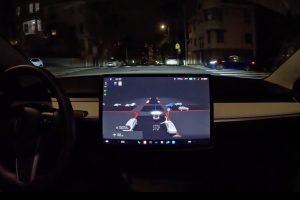
- Advanced features like autopilot capabilities enhance safety and improve operational efficiency.
- Over-the-air updates ensure the vehicle technology remains cutting-edge without the need for new physical components.
Inside the Evaluation Process
Key Discussion Points
Keller Logistics’ meeting focus was multi-faceted, encompassing:
- Application in Yard, Shuttle, and Regional Uses: Aligning the Tesla Semi’s features with Keller’s specific operational needs.
- Economic Analysis:
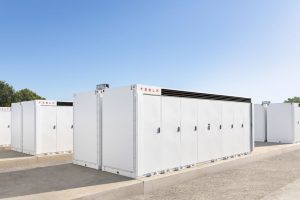
- Deep dives into infrastructure requirements, such as charging stations and their strategic placement.
- Evaluating maintenance schedules and potential downtime impacts.
Executive Insights
Bryan Keller, CEO, on Methodical Integration
CEO Bryan Keller highlighted the need to embrace innovation without succumbing to fleeting trends. “For us, staying ahead isn’t a headline, it’s a habit,” Keller said, emphasizing the important balance between adopting new technologies and maintaining high standards for safety, uptime, and customer ROI. The aim is to “pressure-test” what works and ensure it aligns with their operational values.
Benjamin Pierce, Chief Strategy Officer, on Technological Synergy
Benjamin Pierce echoed the emphasis on thorough testing, noting that electrification and next-generation powertrains represent a broad transformation. Keller’s strategy involves integrating new technology only when it has proven its ability to enhance service and cost-effectiveness. The Tesla Semi stands as a part of this ongoing exploration and testing strategy.
Potential Benefits of the Tesla Semi Integration
- Improved Customer Satisfaction: Reliable, sustainable transportation can boost service levels and brand reputation.
- Operational Safety: Enhanced features might reduce accident rates, contributing to safer roads and lower insurance premiums.
- Competitive Advantage: Early adoption of advanced electric trucks positions Keller as a forward-thinking leader in logistics.
Keller Logistics Group is currently at a pivotal point in its history, potentially setting a precedent for the wider adoption of electric trucks in regional logistics. By carefully evaluating the Tesla Semi, Keller is not only preparing to enhance its operational efficiencies but also contributing positively to the environment and setting an example for the industry.