Category: Tesla

Tesla’s Cybercab Revolution Accelerates: Over 30 Units Spotted at Giga Texas as April Production Looms

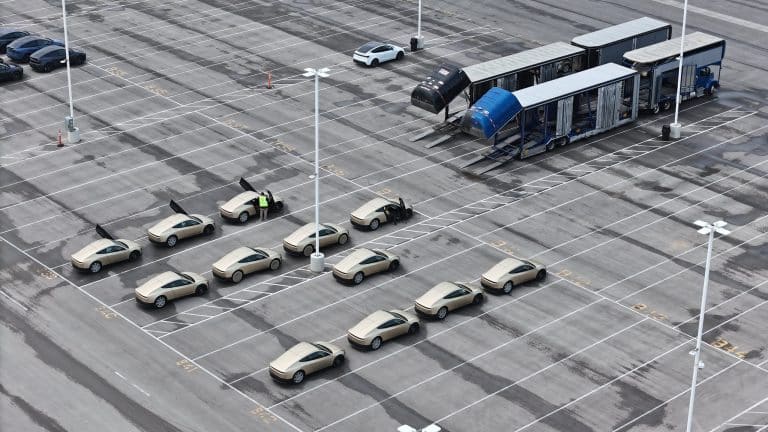
As Tesla inches closer to transforming urban mobility forever, fresh drone footage from Giga Texas reveals a sight that’s got the EV world buzzing: a growing fleet of over 30 Cybercabs being assembled, transported, and tested right on the factory grounds. This isn’t just hype—it’s a tangible milestone in Tesla’s audacious push toward a fully autonomous Robotaxi future. With the first production Cybercab already rolling off the line and volume production slated for April 2026, the stage is set for what could be the biggest disruption in ride-hailing since Uber.

Tesla’s OTA Pioneer Thomas Dmytryk Departs After 11 Years: Legacy, Lessons, and What It Means for the EV Giant

In the high-octane world of electric vehicles and autonomous driving, few innovations have defined Tesla as profoundly as its Over-the-Air (OTA) updates. These seamless software upgrades have turned Tesla cars into evolving machines, delivering new features, bug fixes, and even recall resolutions without a trip to the dealership. Behind this game-changing technology stands Thomas Dmytryk, a veteran director whose 11-year tenure at Tesla helped scale it from a niche automaker to a fleet of nearly 10 million vehicles. On March 9, 2026, Dmytryk announced his departure in a heartfelt LinkedIn post titled “Why Now,” praising Tesla’s culture while prioritizing family time. His exit isn’t just a personal milestone—it’s a poignant moment amid Tesla’s ongoing executive churn, raising questions about talent retention as the company pivots to Robotaxi and AI.

Tesla’s Bold Advertising Shift: From Anti-Ad Purist to Social Media Powerhouse in 2026

In a stunning evolution of its iconic playbook, Tesla—the electric vehicle juggernaut led by Elon Musk—is finally embracing advertising, but on its own terms. Gone are the days of smugly boasting “$0 ad spend” while competitors burned billions. As of early 2026, Tesla is ramping up targeted social media campaigns on platforms like Facebook for Full Self-Driving (FSD) promotions and YouTube for Energy Division incentives, particularly Powerwall. This isn’t a full capitulation to traditional marketing; it’s a pragmatic pivot timed perfectly with key deadlines like the March 31 FSD transfer cutoff. But why now? And what does it mean for Tesla’s future dominance in EVs, autonomy, and energy storage?

Tesla’s Trucking Revolution Accelerates: First Public Semi Megacharger Unveiled in LA Amid Factory Ramp-Up and Business Charging Boom

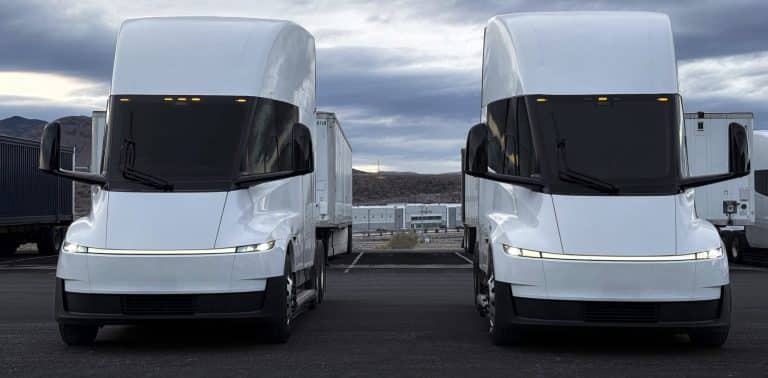
As Tesla continues to redefine the future of transportation, the electric vehicle giant has hit another major milestone: the opening of its first public Tesla Semi Megacharger site in Los Angeles (technically Ontario, California). This isn’t just another charging station—it’s a game-changer for heavy-duty trucking, offering blistering speeds of up to 750 kW to keep Tesla Semi fleets rolling without the downtime that plagues diesel rigs. Announced via the official Tesla Semi account on X, this site marks the third visible Megacharger on Tesla’s map and the first outside of factory grounds.

Tesla’s Epic 400+ Stall V4 Supercharger at Eddie World 2: Revolutionizing EV Road Trips on I-15

Imagine pulling off the Interstate 15 midway between Los Angeles and Las Vegas, not just to grab a quick bite or stretch your legs, but to join hundreds of fellow EV drivers in what will soon be the world’s largest Tesla Supercharger site. Tesla is gearing up for a colossal expansion at Eddie World 2 in Yermo, California, planning over 400 V4 Supercharger stalls across six phases—dwarfing even the current giants like the 168-stall Lost Hills Oasis. This isn’t just infrastructure; it’s a bold statement on the future of electric mobility, perfectly timed for surging EV adoption, Cybertruck owners, Tesla Semi fleets, and the impending Robotaxi revolution.

Tesla’s Bold Pivot: Model S and X Production to End in Q2 2026, Referral Perks Slashed – What It Means for Buyers and Fans

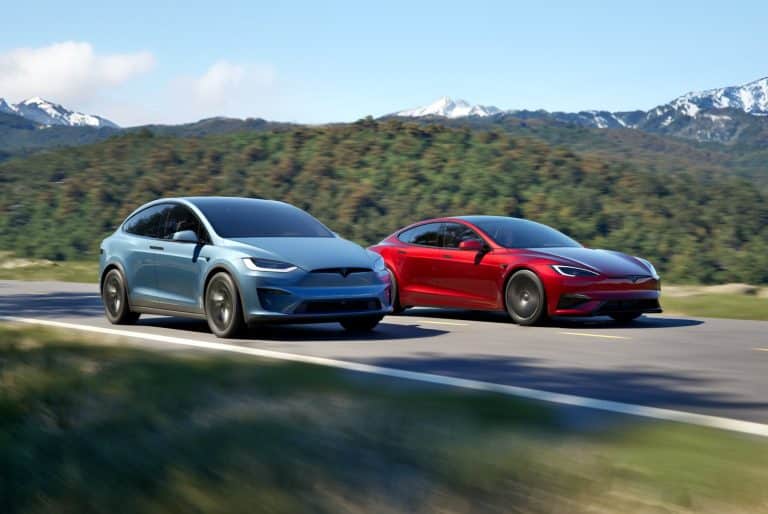
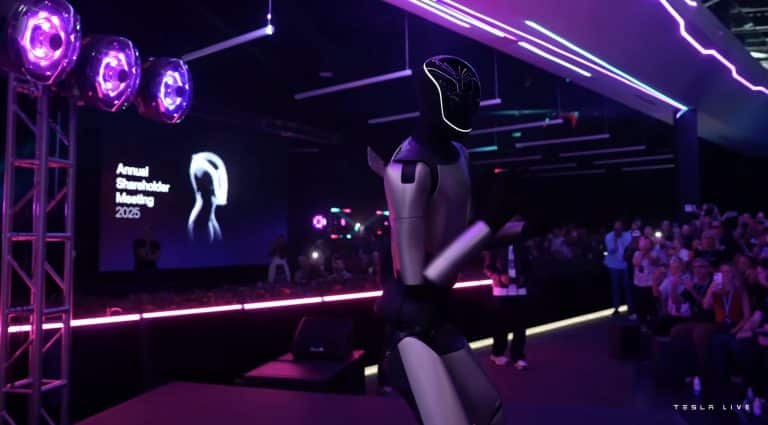
Tesla, the electric vehicle pioneer that redefined luxury performance, is making headlines with a seismic shift in its product strategy. According to recent updates, production of the iconic Model S and Model X is set to wind down by Q2 2026. This move isn’t just about retiring aging models—it’s a strategic reallocation of manufacturing capacity toward high-priority projects like the Optimus humanoid robots and next-generation vehicles.

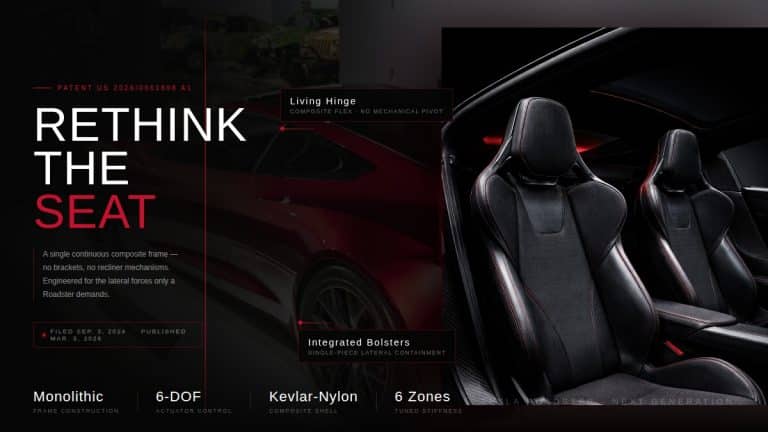
Tesla’s Monolithic Seat Revolution: The Patent That Could Redefine Hypercar Comfort and Performance in the Next-Gen Roadster

In the high-stakes world of electric hypercars, every gram counts, and Tesla is no stranger to pushing boundaries. Just one day ago, on March 5, 2026, the United States Patent and Trademark Office published US 20260061898 A1, titled “Vehicle Seat System,” revealing Tesla’s bold vision for a monolithic composite seat frame. First spotted by eagle-eyed Tesla patent tracker @seti_park on X, this innovation arrives at a pivotal moment—mere weeks before Elon Musk’s teased April 1, 2026, reveal of the production-spec next-gen Roadster.

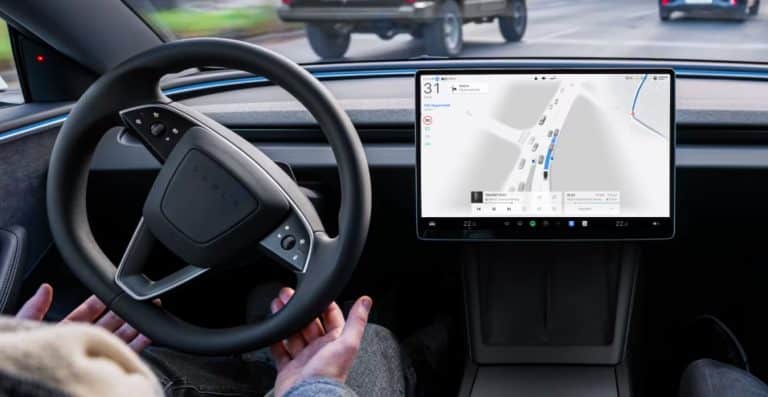
Tesla FSD v14.2.2.5: A Rollercoaster of Progress and Persistent Quirks – First Impressions and Real-World Analysis

As a seasoned Tesla enthusiast and autonomous driving analyst who’s logged thousands of miles testing Full Self-Driving (FSD) betas, I’ve been eagerly awaiting the rollout of v14.2.2.5. This update promised refinements in speed management, navigation, and edge-case handling, building on the neural net advancements from earlier v14 iterations. But does it deliver? Drawing from hands-on user reports, Teslarati’s in-depth review, Reddit threads, and YouTube test drives, this post dives deep into the highs, lows, and everything in between. Spoiler: It’s a mixed bag – smoother than ever in some areas, but plagued by head-scratching bugs that remind us FSD is still “supervised” for a reason.

Bank of America Goes Bullish on Tesla: $460 Price Target Spotlights FSD Dominance and Robotaxi Goldmine

As a seasoned tech and automotive blogger with over a decade tracking the electric vehicle revolution, I’ve seen my share of Wall Street flip-flops on Tesla (TSLA). From euphoric highs during the 2021 boom to cautious downgrades amid 2024-2025 EV market jitters, analysts have been all over the map. But Bank of America’s latest move—reinstating coverage with a Buy rating and a whopping $460 price target—feels like a genuine inflection point. This isn’t just hype; it’s backed by Tesla’s exploding Full Self-Driving (FSD) data moat, a camera-only vision system that’s lightyears ahead of lidar-laden rivals, and a robotaxi opportunity that could redefine Tesla’s valuation. Let’s dive deep into the report, the numbers, and why this could be the catalyst for Tesla’s next leg up.

Elon Musk’s Audacious Bet: Tesla Optimus as the Dawn of AGI-Powered Von Neumann Probes and Multi-Planetary Civilization

In the rapidly evolving landscape of artificial intelligence and robotics, few visionaries command as much attention as Elon Musk. Recent announcements from Tesla, xAI, and SpaceX have ignited a firestorm of speculation about the convergence of humanoid robots, artificial general intelligence (AGI), and interstellar expansion. At the heart of this revolution is Tesla’s Optimus robot—not just a factory worker or household helper, but potentially the world’s first self-replicating “Von Neumann probe” capable of bootstrapping entire civilizations on alien worlds. Drawing from Musk’s latest X posts, production shifts at Tesla’s Fremont factory, and blockbuster mergers, this post dives deep into the implications, timelines, and transformative potential of these developments.

Load more