Category: Tesla

Tesla’s Monumental Mackay Supercharger: Australia’s Largest EV Oasis Amid 2025 Sales Turbulence and 2026 Rebound

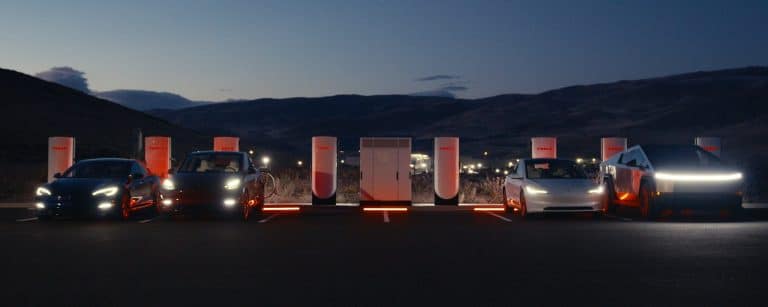
As electric vehicles continue to reshape Australia’s automotive landscape, Tesla is doubling down on its infrastructure dominance with plans for what could be the country’s—and potentially the Southern Hemisphere’s—largest Supercharger site yet. Nestled near the tropical hub of Mackay in Queensland, this 25+ stall behemoth promises to supercharge long-haul travel along the Bruce Highway, outpacing the current record-holder in Goulburn, NSW. But this isn’t just about plugs; it’s a strategic play amid Tesla’s 2025 sales dip and an encouraging 2026 uptick. In this deep dive, we’ll unpack the details, analyze sales data, and explore what it means for EV adopters Down Under.

Tesla’s Terafab Project: The $20 Billion AI Chip Fab Set to Launch on March 21, 2026 – Reshaping the Future of Autonomy and Robotics

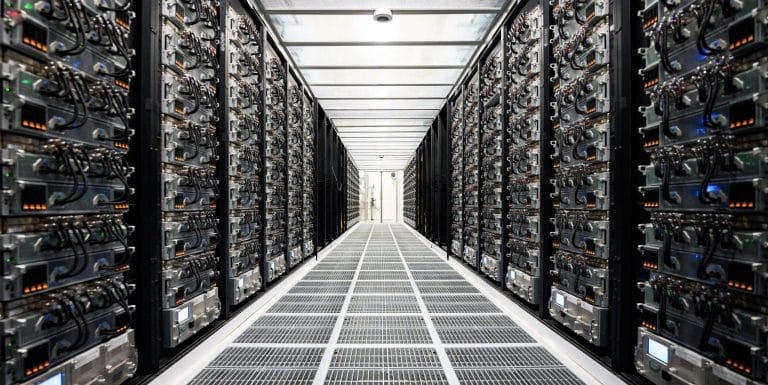
In a single, cryptic post on X on March 14, 2026, Elon Musk dropped a bombshell: “Terafab Project launches in 7 days.” This isn’t just hype from the Tesla CEO—it’s the official kickoff to what could be the most ambitious semiconductor venture in history. Terafab is Tesla’s vertically integrated chip fabrication facility (fab), designed to produce logic chips, memory, and advanced packaging for AI applications at unprecedented scale. With a staggering $20 billion price tag, this project signals Tesla’s pivot from being a consumer of AI silicon to a producer—and potentially a supplier—to the world.

Tesla and xAI Unveil Digital Optimus: The AI Agent Set to Revolutionize Office Work and Emulate Entire Companies

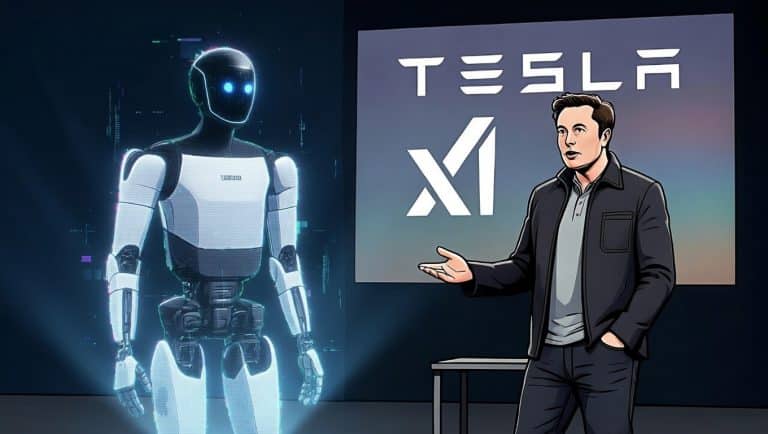
In a groundbreaking announcement that’s sending shockwaves through the tech world, Elon Musk has revealed Digital Optimus—also cheekily nicknamed “Macrohard”—a joint project between Tesla and xAI designed to automate complex office workflows by mimicking human computer interactions in real-time. This isn’t just another AI chatbot; it’s a sophisticated software agent that watches your screen, processes keyboard and mouse inputs, and executes tasks autonomously. As someone who’s been tracking Tesla’s AI ambitions and xAI’s rapid rise for years, I see this as the first tangible fruit of Tesla’s massive $2 billion investment in xAI, bridging hardware prowess with cutting-edge reasoning. Buckle up—this could redefine productivity, enterprise AI, and even how we think about “white-collar” jobs.

Tesla’s Comfort Braking: The Smoothest Stops Yet for the 2026 Model Y Juniper in Software Update 2026.8

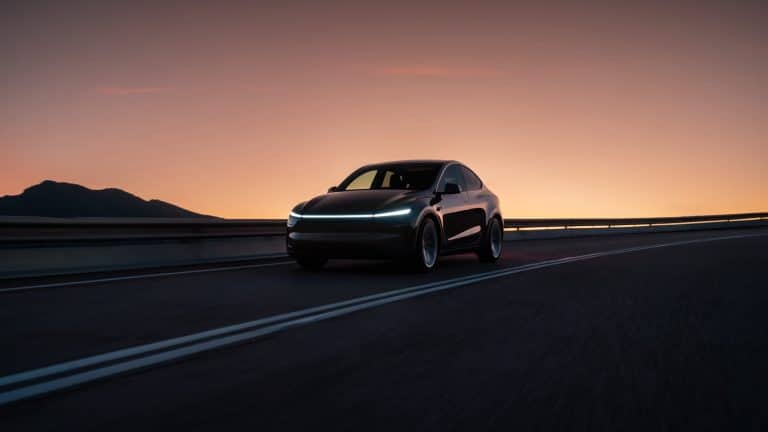
Tesla owners know the magic of over-the-air (OTA) updates—they turn your car into a continuously evolving machine without a trip to the dealership. The latest Software Update 2026.8, rolled out starting March 12, 2026, introduces “Comfort Braking,” a feature that’s already generating buzz among Model Y enthusiasts. Exclusive to the refreshed Juniper Model Y (2026+ models), this upgrade promises “a smoother feel as you come to a complete stop during routine braking,” according to Tesla’s official release notes.

Tesla Robotaxi App Set to Conquer Android: Decompile Secrets, Feature Breakdown, and the Path to Mass Adoption

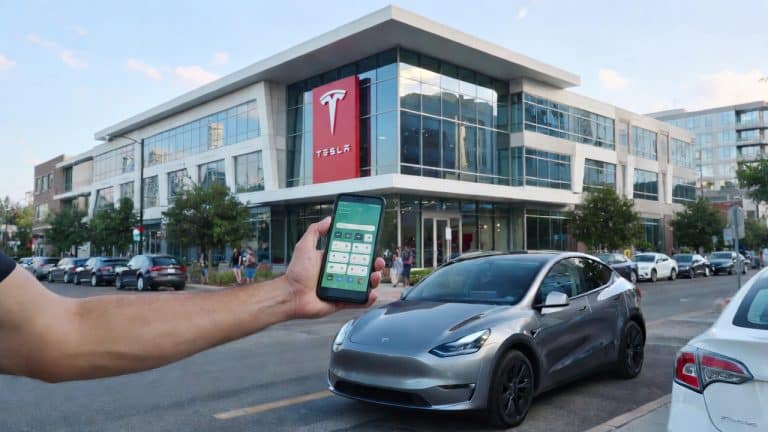
In the ever-evolving world of autonomous mobility, Tesla is once again making headlines with whispers of an imminent Android launch for its Robotaxi app. Fresh from decompiling software version 26.2.0, eagle-eyed developers and Tesla enthusiasts have uncovered code strings hinting at full Android compatibility—including clever adaptations of iOS Live Activities. This isn’t just a minor update; it’s a pivotal step toward democratizing access to Tesla’s ride-hailing revolution, potentially unlocking millions more users ahead of fully driverless operations. As a Tesla blogger who’s tracked this saga since the Cybercab unveiling, I’ll dive deep into the deets, analyze the strategy, and share what riders should do next.

Lucid’s Lunar Robotaxi: Igniting the Robotaxi Wars Against Tesla’s Cybercab Dominance

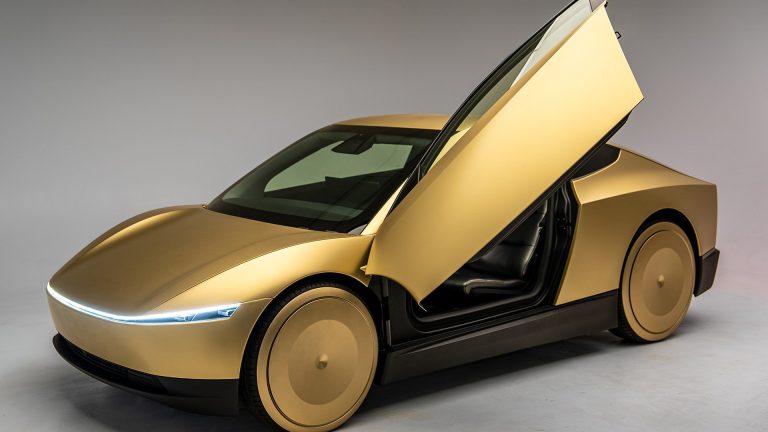
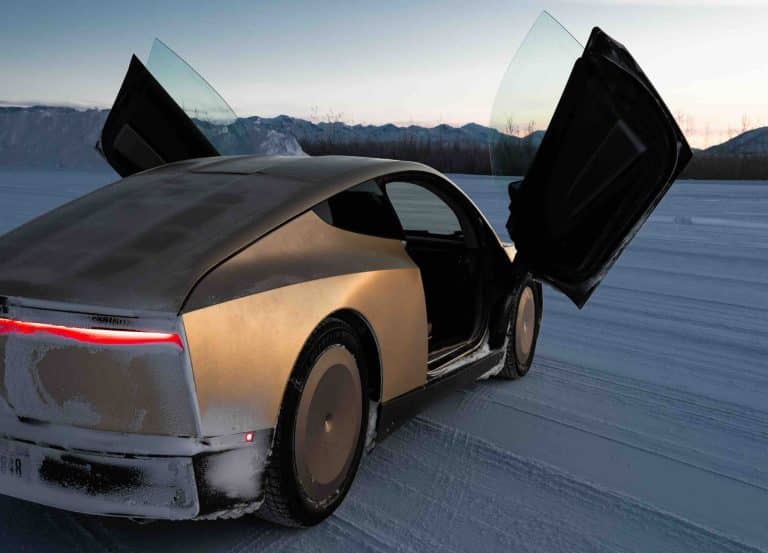
In a bold move at its 2026 Investor Day on March 12, Lucid Motors didn’t just talk strategy—they unveiled the Lunar, a sleek two-seat robotaxi concept that’s gunning straight for Tesla’s Cybercab throne. This isn’t hype; it’s Lucid signaling its pivot from luxury sedans to mass-market autonomy, leveraging a groundbreaking Midsize EV platform and a powerhouse Uber partnership. As Tesla grapples with regulatory scrutiny and scaling challenges, Lucid’s entry could reshape the $10 trillion robotaxi market. In this deep dive, we’ll unpack the specs, comparisons, business model, and why Lunar might just steal the spotlight.

Tesla Cybercab: Braille Breakthrough Ushers in Truly Inclusive Autonomous Rides as April Production Looms

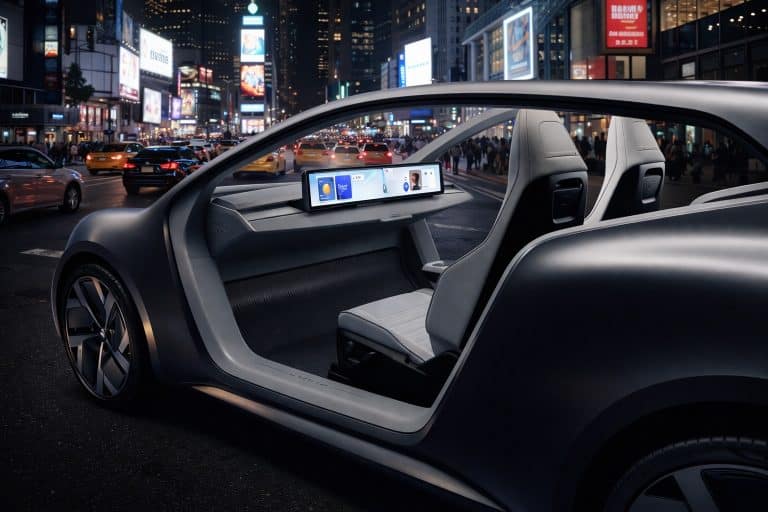
Imagine stepping into a car that doesn’t just drive itself but actively empowers those who’ve long been sidelined by traditional transportation. Tesla’s Cybercab isn’t just another robotaxi—it’s a beacon of inclusivity in the autonomous revolution. With production ramping up for an April 2026 start and test units now spotted across the U.S., recent revelations about its Braille features are stealing the spotlight. As a Tesla enthusiast and EV blogger who’s tracked the company’s self-driving saga for years, I see this as more than a detail—it’s Tesla doubling down on making mobility universal, especially for the visually impaired and disabled community.

Tesla Cybercab Lights Up the US Department of Transportation: A Glimpse into Tomorrow’s Autonomous Revolution

As a seasoned EV enthusiast and autonomous vehicle analyst with over a decade tracking Tesla’s innovations, I couldn’t contain my excitement when news broke of the Cybercab making a high-profile appearance at the US Department of Transportation (DOT) in Washington, D.C. This isn’t just another prototype showcase—it’s a bold statement from Tesla amid growing regulatory scrutiny and production ramps. Photos and videos flooding X (formerly Twitter) from the National Autonomous Vehicle Safety Forum reveal a vehicle that’s compact on the outside but cavernous within, poised to redefine urban mobility. With production kicking off at Giga Texas and the first units rolling out as early as February 2026, the Cybercab is no longer vaporware—it’s here, ready to challenge taxis, rideshares, and even personal car ownership.

Tesla’s Optimus V3 Hands: A Glimpse into the Future of Human-Like Robotics and Self-Replicating Machines

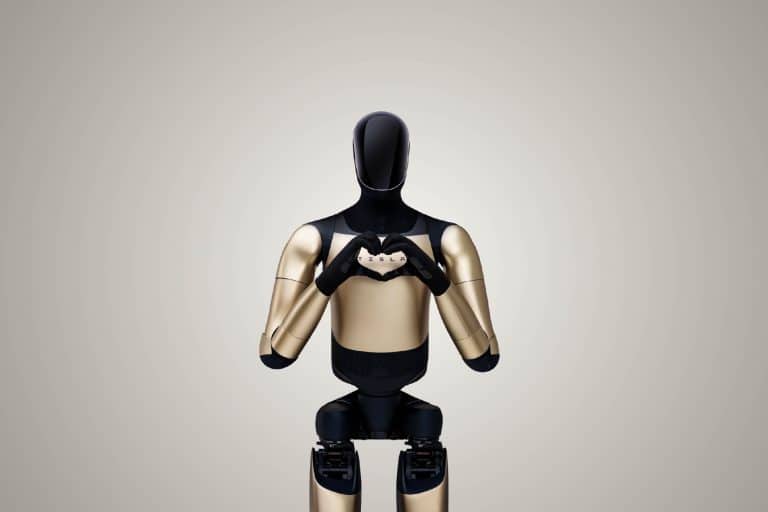
In a move that’s sent ripples through the tech and robotics communities, Tesla China has just dropped a bombshell teaser on Weibo, showcasing what appears to be the next-generation hands for the Optimus V3 humanoid robot. These hands aren’t just functional—they’re strikingly human-like, with proportions, finger structures, and subtle details that blur the line between machine and biology. Shared by Tesla’s official AI account and quickly reposted on X by enthusiasts like Ming (@tslaming), who called them “almost identical to human hands” and “honestly impressive,” this reveal has ignited feverish speculation. As a robotics blogger with over a decade tracking humanoid advancements, I can tell you: this isn’t hype. It’s a pivotal moment signaling Tesla’s leap toward robots that could redefine labor, exploration, and even civilization-building.

Tesla Cybercab Production Hits High Gear: 30+ Units Spotted at Giga Texas, Road Testing Explodes Across the US – The Robotaxi Revolution Accelerates

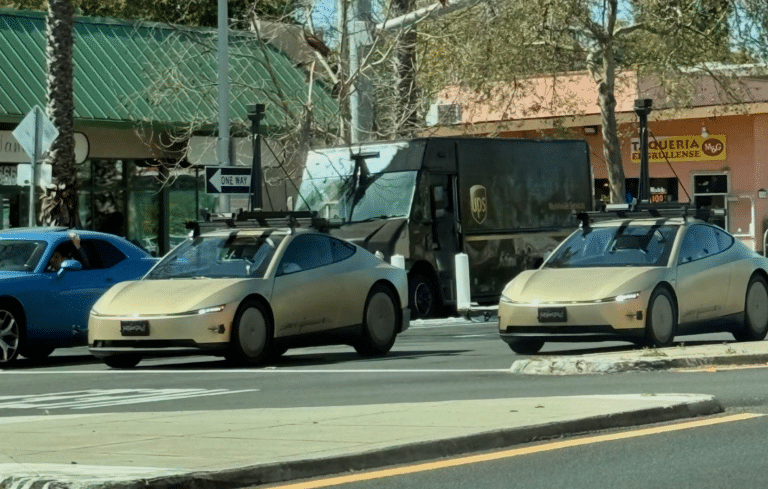
As a veteran Tesla watcher and EV industry analyst with over a decade tracking Elon Musk’s audacious ventures, I’ve seen hype cycles come and go. But the current frenzy around the Tesla Cybercab – the steering-wheel-less, pedal-free robotaxi poised to redefine urban mobility – feels different. It’s grounded in hard evidence: drone footage, eyewitness accounts, and Elon’s own candid X posts. On March 11, 2026, sightings are surging at Giga Texas, public road tests are multiplying in Silicon Valley and beyond, and production lines are ramping. This isn’t vaporware; it’s the prelude to millions of autonomous vehicles flooding streets. In this deep dive, we’ll unpack the latest data, analyze what it signals for Tesla’s timeline, and explore the implications for investors, cities, and your daily commute.

Load more