Author: Gary Zhou

Tesla and xAI Unveil Digital Optimus: The AI Agent Set to Revolutionize Office Work and Emulate Entire Companies

In a groundbreaking announcement that’s sending shockwaves through the tech world, Elon Musk has revealed Digital Optimus—also cheekily nicknamed “Macrohard”—a joint project between Tesla and xAI designed to automate complex office workflows by mimicking human computer interactions in real-time. This isn’t just another AI chatbot; it’s a sophisticated software agent that watches your screen, processes keyboard and mouse inputs, and executes tasks autonomously. As someone who’s been tracking Tesla’s AI ambitions and xAI’s rapid rise for years, I see this as the first tangible fruit of Tesla’s massive $2 billion investment in xAI, bridging hardware prowess with cutting-edge reasoning. Buckle up—this could redefine productivity, enterprise AI, and even how we think about “white-collar” jobs.

Elon Musk’s xAI Crisis: “Not Built Right” Admission Sparks Rebuild, Founder Exodus, and Tesla Shareholder Fury

In a stunning admission that has sent shockwaves through the tech world, Elon Musk confessed on X that his AI startup xAI “was not built right first time around” and is now undergoing a complete rebuild “from the foundations up.” This revelation comes just weeks after Tesla poured $2 billion into xAI’s Series E funding round on January 16, 2026—a move that has since converted into a SpaceX stake following the rocket company’s blockbuster acquisition of xAI, valuing the combined entity at a staggering $1.25 trillion. As if that weren’t chaotic enough, xAI has hemorrhaged talent, with 10 of its 12 original co-founders now departed, including heavyweights like Jimmy Ba and Igor Babuschkin. Tesla shareholders are suing Musk for fiduciary breaches, and critics like Electrek argue his empire is crumbling under overextension.

Tesla’s Comfort Braking: The Smoothest Stops Yet for the 2026 Model Y Juniper in Software Update 2026.8

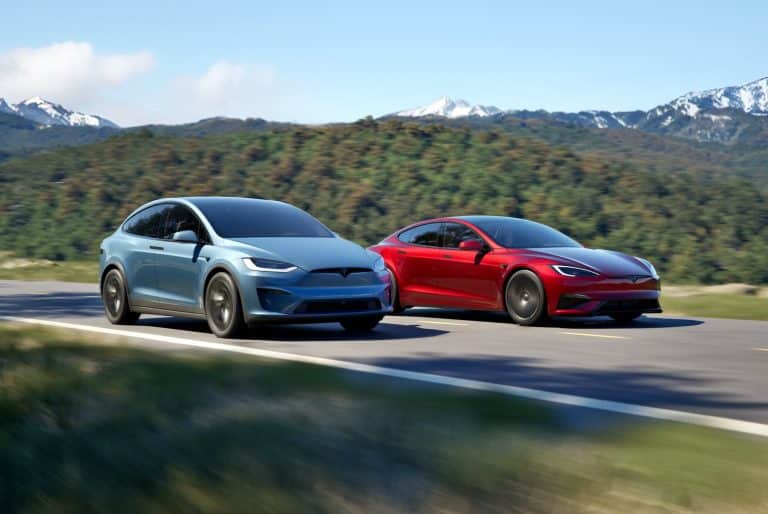
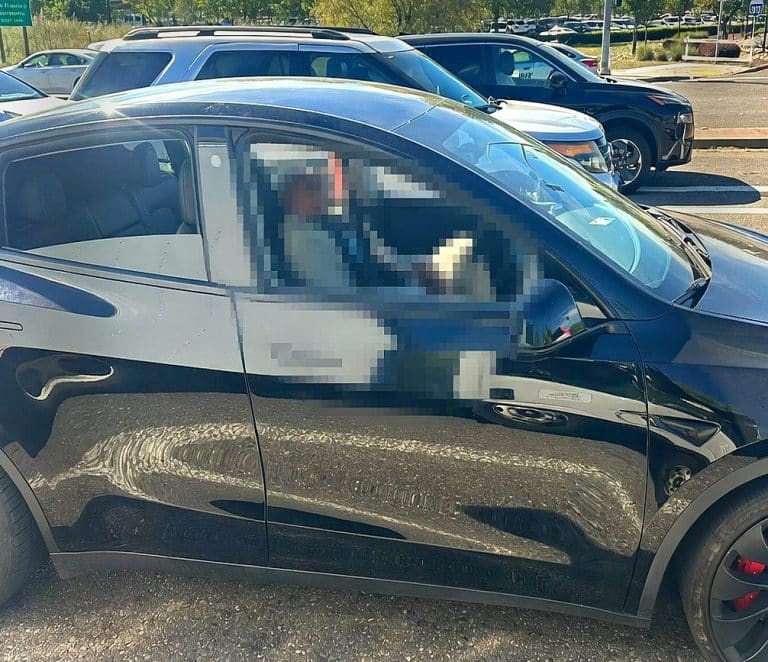
Tesla owners know the magic of over-the-air (OTA) updates—they turn your car into a continuously evolving machine without a trip to the dealership. The latest Software Update 2026.8, rolled out starting March 12, 2026, introduces “Comfort Braking,” a feature that’s already generating buzz among Model Y enthusiasts. Exclusive to the refreshed Juniper Model Y (2026+ models), this upgrade promises “a smoother feel as you come to a complete stop during routine braking,” according to Tesla’s official release notes.

Tesla Robotaxi App Set to Conquer Android: Decompile Secrets, Feature Breakdown, and the Path to Mass Adoption

In the ever-evolving world of autonomous mobility, Tesla is once again making headlines with whispers of an imminent Android launch for its Robotaxi app. Fresh from decompiling software version 26.2.0, eagle-eyed developers and Tesla enthusiasts have uncovered code strings hinting at full Android compatibility—including clever adaptations of iOS Live Activities. This isn’t just a minor update; it’s a pivotal step toward democratizing access to Tesla’s ride-hailing revolution, potentially unlocking millions more users ahead of fully driverless operations. As a Tesla blogger who’s tracked this saga since the Cybercab unveiling, I’ll dive deep into the deets, analyze the strategy, and share what riders should do next.

Lucid’s Lunar Robotaxi: Igniting the Robotaxi Wars Against Tesla’s Cybercab Dominance

In a bold move at its 2026 Investor Day on March 12, Lucid Motors didn’t just talk strategy—they unveiled the Lunar, a sleek two-seat robotaxi concept that’s gunning straight for Tesla’s Cybercab throne. This isn’t hype; it’s Lucid signaling its pivot from luxury sedans to mass-market autonomy, leveraging a groundbreaking Midsize EV platform and a powerhouse Uber partnership. As Tesla grapples with regulatory scrutiny and scaling challenges, Lucid’s entry could reshape the $10 trillion robotaxi market. In this deep dive, we’ll unpack the specs, comparisons, business model, and why Lunar might just steal the spotlight.

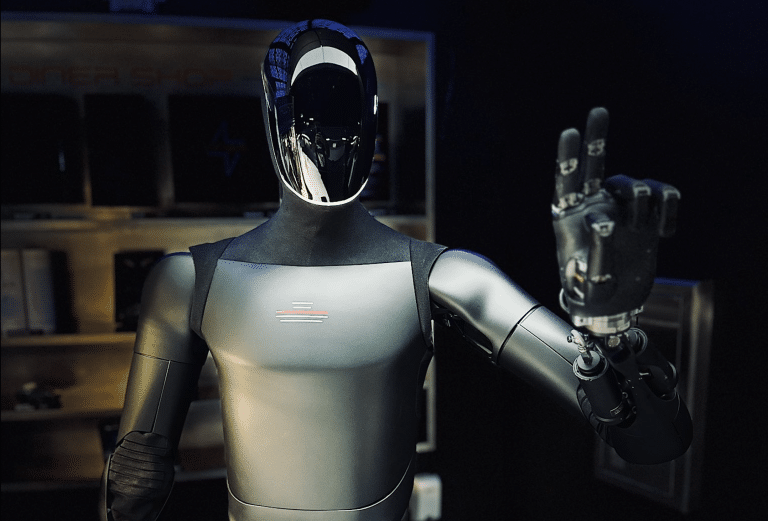
Tesla’s Optimus Takes Center Stage at AWE 2026: Mass Production by Year’s End, Human-Like Hands, and Elon Musk’s Von Neumann Vision

As the curtains rise on AWE 2026 in Shanghai today, March 12, Tesla has once again redefined the boundaries of innovation by showcasing its third-generation Optimus humanoid robot alongside the rugged Cybertruck. This isn’t just another tech demo—it’s a bold statement of intent. On-site reports from expo staff suggest mass production of Optimus could kick off by the end of 2026, aligning with Tesla’s aggressive roadmap to flood factories and homes with these versatile bots. With whispers of million-unit production lines at Fremont and a staggering 10 million annually at Giga Texas, plus tantalizing teases of hyper-dexterous robotic hands from Tesla China, the stage is set for a seismic shift in robotics. And let’s not forget Elon Musk’s sci-fi bombshell: Optimus as the world’s first Von Neumann machine, capable of self-replication to seed civilizations on distant planets.

Cybertruck Catastrophe: Texas Driver Sues Tesla for $1M+ After FSD Veers Toward Overpass Doom – Elon Musk Named in Shocking Negligence Claim

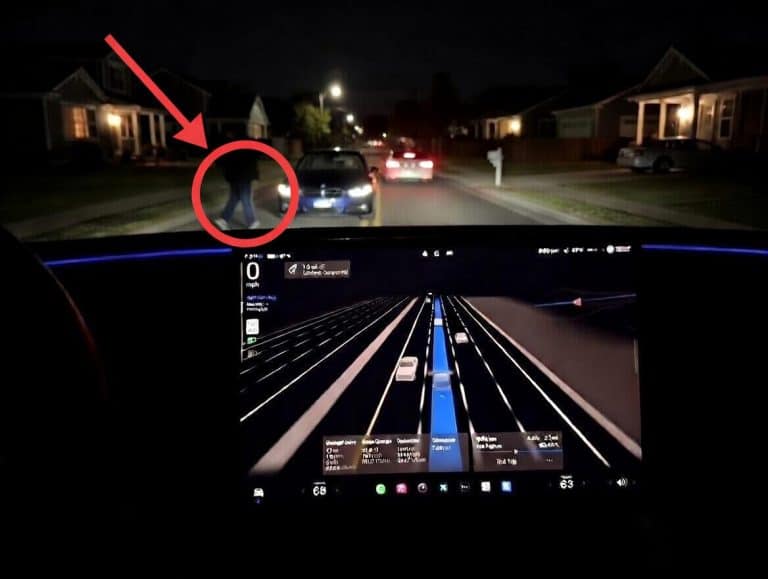
In the high-stakes world of electric vehicles and self-driving tech, Tesla has long positioned itself as the revolutionary leader. But a harrowing incident on a Houston freeway has shattered that illusion for one Cybertruck owner, sparking a bombshell $1 million-plus lawsuit against the company. Justine Saint Amour alleges her 2025 Cybertruck, equipped with Tesla’s Full Self-Driving (FSD) software, attempted to drive straight off an overpass into a concrete barrier – all while the system was engaged. This isn’t just another fender-bender; it’s a direct challenge to Tesla’s core promises of safety and autonomy, with Elon Musk himself accused of negligent oversight. As a blogger who’s tracked Tesla’s rollercoaster journey from Autopilot beta to FSD v12 and beyond, this case feels like the tipping point in a mounting wave of scrutiny.

Tesla Cybercab: Braille Breakthrough Ushers in Truly Inclusive Autonomous Rides as April Production Looms

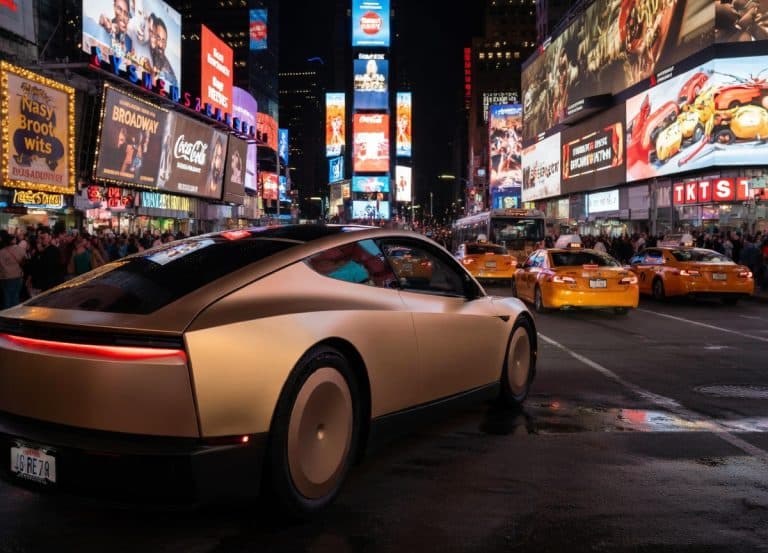
Imagine stepping into a car that doesn’t just drive itself but actively empowers those who’ve long been sidelined by traditional transportation. Tesla’s Cybercab isn’t just another robotaxi—it’s a beacon of inclusivity in the autonomous revolution. With production ramping up for an April 2026 start and test units now spotted across the U.S., recent revelations about its Braille features are stealing the spotlight. As a Tesla enthusiast and EV blogger who’s tracked the company’s self-driving saga for years, I see this as more than a detail—it’s Tesla doubling down on making mobility universal, especially for the visually impaired and disabled community.

Elon Musk’s Digital Optimus Revolution: The AI Agent Set to Emulate Entire Companies and Reshape Enterprise Automation

In a bombshell announcement on March 11, 2026, Elon Musk revealed “Digital Optimus” – also dubbed “Macrohard” in a cheeky nod to Microsoft – as the first major fruit of Tesla’s $2 billion investment in xAI. This joint project isn’t just another AI chatbot or robot; it’s a sophisticated system designed to watch your computer screen, mimic human actions, and potentially run entire companies autonomously. As a tech blogger who’s followed Musk’s ventures from Tesla’s Autopilot to Optimus robots, I see this as a game-changer that could accelerate the shift from human desk workers to AI-driven operations. But with great power comes controversy – from shareholder lawsuits to fears of mass job losses. Let’s dive deep into what Digital Optimus is, how it works, its implications, and why no other company can match it (yet).

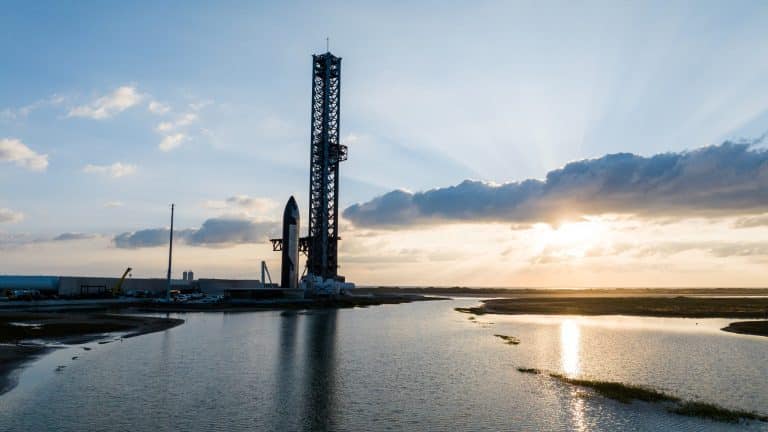
Starship Delays Under Fire: NASA’s OIG Report Exposes Risks to Artemis Moon Landings – Can SpaceX Deliver?

As the race to return humans to the Moon intensifies under NASA’s Artemis program, a stark new warning from the agency’s own watchdog has cast a shadow over the ambitious timeline. The Office of Inspector General (OIG) released a report highlighting significant delays in SpaceX’s Starship development, particularly the critical in-space refueling technology needed to make lunar landings feasible. With Starship selected back in 2021 as the Human Landing System (HLS) to ferry astronauts to the lunar surface, these setbacks could push back NASA’s goal of a crewed landing – once eyed for 2028 – even further. In this deep dive, we’ll unpack the report, review Starship’s test flight history, explore the refueling conundrum, and share my expert take on whether SpaceX can still pull off the impossible.

Load more