Author: Gary Zhou

SpaceX Starship V3: Ushering in the Era of 100+ Ton Payloads, Lunar Bases, and Affordable Space Travel

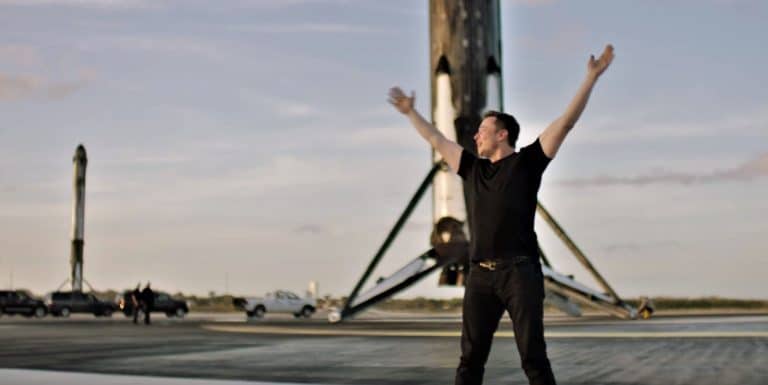
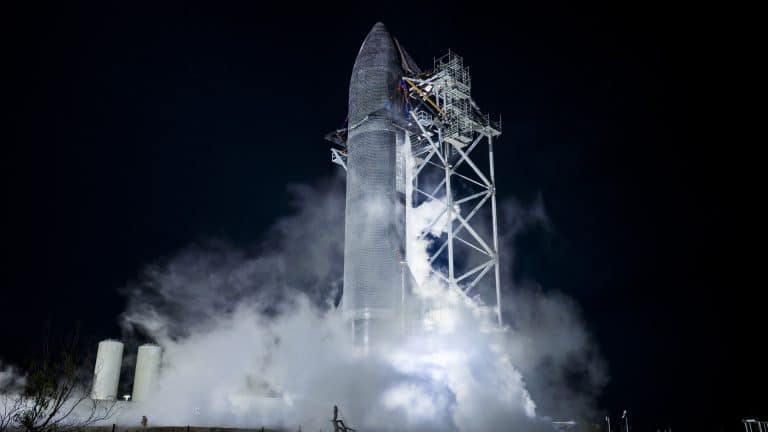
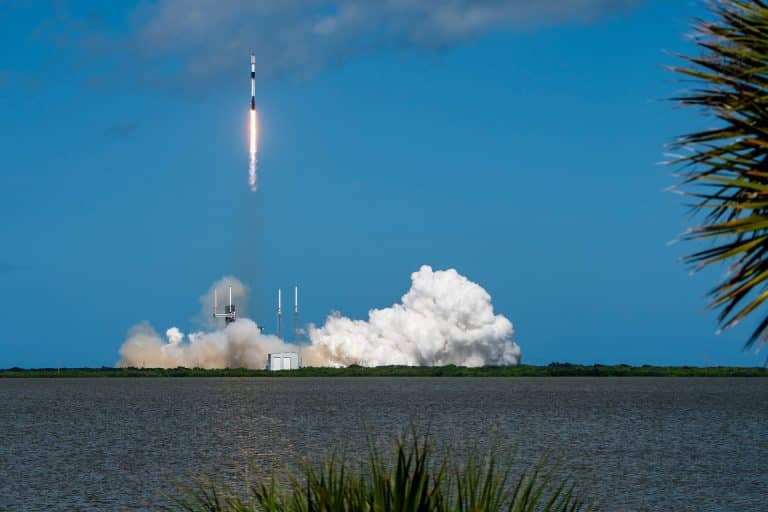
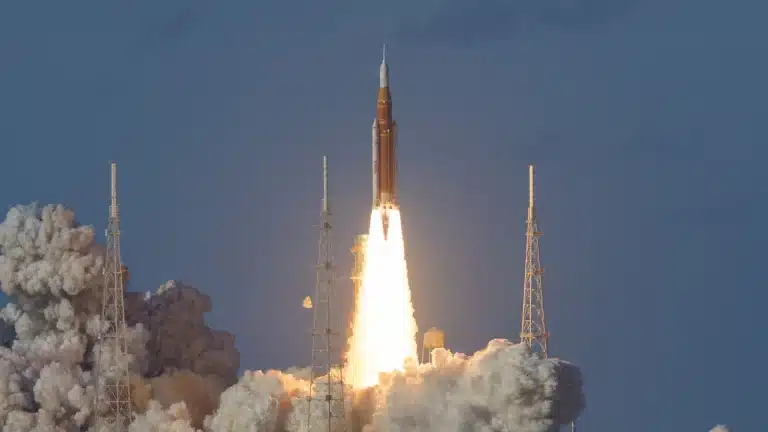
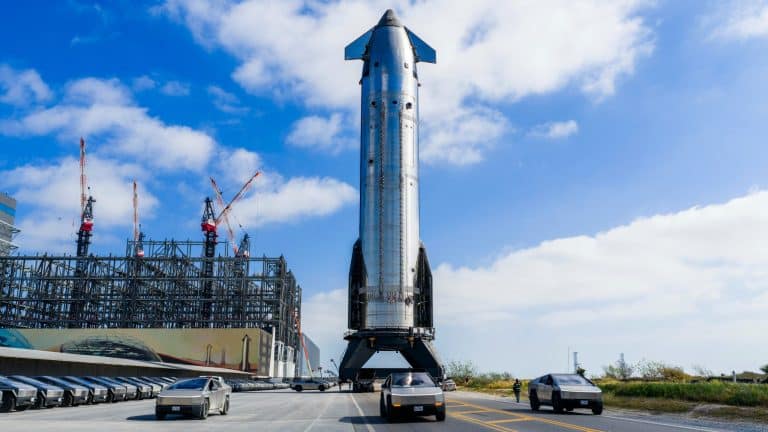
SpaceX is on the cusp of another monumental milestone with the anticipated April 2026 test launch of Starship V3, marking Flight 12 and the debut of its most advanced iteration yet. Originally targeted for the first quarter, the launch has slipped slightly due to rigorous testing, but recent successes at Starbase Pad 2 have SpaceX enthusiasts buzzing. Elon Musk himself hyped the event on social media, underscoring the vehicle’s taller Super Heavy booster, elongated upper stage, and next-gen Raptor 3 engines promising unprecedented thrust. As a space blogger with over a decade tracking Elon Musk’s ventures, I see V3 not just as an upgrade, but as the rocket that could finally make humanity multiplanetary—delivering massive payloads at a fraction of the cost.

Tesla Roadster 2026: Sorcery on Wheels – Unveiling Date, SpaceX Thrusters, and Why Safety Takes a Backseat

The Tesla Roadster has been the stuff of legends – and endless speculation – since its dramatic reveal back in 2017. Promised as the quickest production car ever, with acceleration that defies physics and features borrowed straight from SpaceX, it’s become a symbol of Elon Musk’s audacious vision for electric vehicles. Fast forward to March 2026, and after nearly a decade of delays, production teases, and fan frustration, Tesla is finally gearing up for a late April unveiling. Even Uber co-founder Travis Kalanick is hyping it up, calling the Roadster “sorcery and magic” based on insider whispers. But with Musk’s stark warning that safety isn’t the priority, is this halo car a dream drive or a daring gamble? In this deep dive, we’ll unpack the latest news, dissect the delays, explore the wild specs, and share my expert take on whether it’s worth staking your garage space on.

Cybertruck Overpass Horror: FSD Failure or Driver Distraction? Inside Justine Saint Amour’s $1M Tesla Lawsuit

In the high-stakes world of electric vehicles and autonomous driving, few stories capture public attention like a dramatic Cybertruck crash. On August 18, 2025, Houston resident Justine Saint Amour experienced what she describes as a near-catastrophic failure of Tesla’s Full Self-Driving (FSD) system. Her Cybertruck, allegedly barreling down the Eastex Freeway (I-69), ignored a critical right-hand curve on a Y-shaped overpass, veering straight toward a concrete barrier—and potentially off the edge—with her one-year-old child in the backseat. Now suing Tesla for over $1 million, Saint Amour’s case reignites debates over FSD’s reliability, Elon Musk’s vision-only approach, and driver responsibility. As a veteran Tesla watcher and autonomous tech analyst, I’ll break down the facts, analyze the claims, and offer insights on what this means for the future of self-driving cars.

Tesla’s $25-40 Billion Terafab Moonshot: Can Elon Musk Conquer Semiconductors Amid Cash Crunch?

Elon Musk has a knack for jaw-dropping announcements, and his latest—Tesla’s “Terafab” project—is no exception. Just days ago, on March 14, 2026, Musk revealed on X (formerly Twitter) that Tesla’s massive AI chip fabrication facility, dubbed Terafab, would launch within seven days. Aimed at producing cutting-edge 2nm AI chips to power Full Self-Driving (FSD), the Cybercab robotaxi, and Optimus humanoid robots, this venture represents Tesla’s boldest pivot yet into semiconductor manufacturing. But with estimated costs ballooning to $25-40 billion—dwarfing even TSMC’s individual Gigafabs—and Tesla’s finances showing cracks, is this a genius stroke of vertical integration or a recipe for disaster?

Tesla Robotaxi Fleet Masses in Las Vegas Suburbs: Is Sin City’s Driverless Revolution About to Ignite?

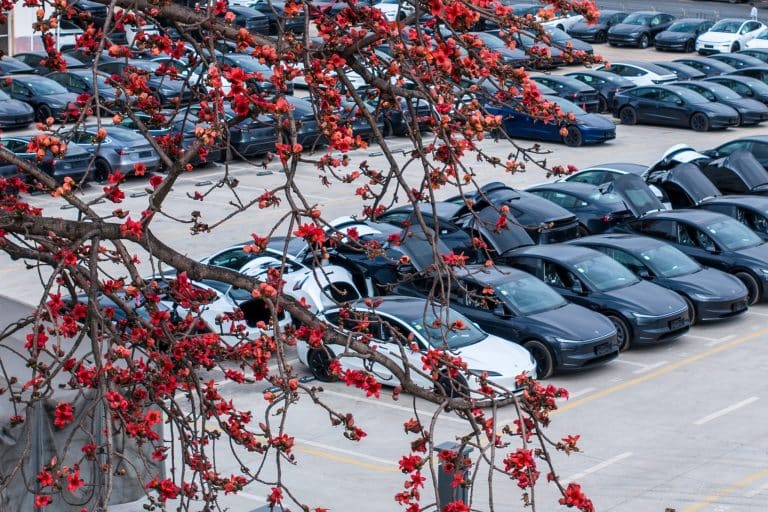
Imagine stumbling upon a massive parking lot teeming with sleek Tesla Model Ys, each one outfitted with cutting-edge hardware screaming “Robotaxi.” That’s exactly what happened in Henderson, Nevada—just north of the glittering Las Vegas Strip—when local enthusiast TheZacher captured photos and video of what appears to be Tesla’s next wave of autonomous vehicles. This isn’t just a random fleet; these cars feature unique rear camera washers, a hallmark of Tesla’s Robotaxi-specific modifications designed for unsupervised, 24/7 operation in dusty, real-world conditions. As of March 18, 2026, with the lot already half-emptied just days after the initial spotting, signs point to an imminent launch in Las Vegas—one of Tesla’s top expansion targets.

Tesla Roadster’s Latest Twist: Unveiling Delayed to Late April, But Elon Musk Promises “Crazy” James Bond-Level Tech

Tesla enthusiasts have been on a rollercoaster with the second-generation Roadster for nearly a decade, and just when April 1, 2026, seemed locked in as the big reveal date, Elon Musk has hit the brakes—pushing it back to late April. Announced via a tweet on March 17, 2026, this shift underscores Tesla’s pattern of prioritizing perfection (or pivoting to other projects) over rigid timelines. Yet, amid the frustration, Musk’s recent hype on the Joe Rogan podcast has reignited excitement, teasing technology “crazier than all James Bond cars combined” and even hovering capabilities. As a professional EV blogger who’s tracked Tesla since the original Roadster, I see this not as a setback, but a sign that the Roadster could redefine supercars.

Tesla’s Monumental $4.3 Billion Battery Deal with LG Energy Solution: Powering Megapack 3 with American-Made LFP Cells

In a groundbreaking announcement today, the U.S. Department of the Interior has officially confirmed Tesla as the key stakeholder in LG Energy Solution’s (LGES) massive $4.3 billion battery supply agreement. This deal not only solidifies Tesla’s push towards domestic manufacturing but also marks a pivotal shift in the global energy storage landscape, with production kicking off in 2027 at LGES’s Lansing, Michigan facility. As a seasoned blogger specializing in electric vehicles, battery technology, and renewable energy infrastructure, I’ve been tracking Tesla’s supply chain evolution for years. This partnership is more than just a procurement contract—it’s a strategic masterstroke that could reshape U.S. energy independence, lower costs for grid-scale storage, and give Tesla a competitive edge over rivals scrambling to catch up.

Tesla’s Monumental Mackay Supercharger: Australia’s Largest EV Oasis Amid 2025 Sales Turbulence and 2026 Rebound

As electric vehicles continue to reshape Australia’s automotive landscape, Tesla is doubling down on its infrastructure dominance with plans for what could be the country’s—and potentially the Southern Hemisphere’s—largest Supercharger site yet. Nestled near the tropical hub of Mackay in Queensland, this 25+ stall behemoth promises to supercharge long-haul travel along the Bruce Highway, outpacing the current record-holder in Goulburn, NSW. But this isn’t just about plugs; it’s a strategic play amid Tesla’s 2025 sales dip and an encouraging 2026 uptick. In this deep dive, we’ll unpack the details, analyze sales data, and explore what it means for EV adopters Down Under.

Elon Musk’s Bold xAI Prophecy: Catching AI Titans by 2026 and Leaving Them in Cosmic Dust by 2029

Elon Musk has never been one to mince words, especially when it comes to his ventures. In a recent reply on X (formerly Twitter) to forecaster Peter Wildeford, Musk dropped a bombshell prediction: xAI will close the 7-month gap to AI frontrunners Anthropic, Google, and OpenAI by the end of 2026. He didn’t stop there—by 2029, xAI will surge so far ahead that “you will need the James Webb Space Telescope to see 2nd place.” This hyperbolic rhetoric is classic Musk: rallying supporters, stoking hype, and challenging the status quo in the blistering AI race.

Tesla’s Terafab Project: The $20 Billion AI Chip Fab Set to Launch on March 21, 2026 – Reshaping the Future of Autonomy and Robotics

In a single, cryptic post on X on March 14, 2026, Elon Musk dropped a bombshell: “Terafab Project launches in 7 days.” This isn’t just hype from the Tesla CEO—it’s the official kickoff to what could be the most ambitious semiconductor venture in history. Terafab is Tesla’s vertically integrated chip fabrication facility (fab), designed to produce logic chips, memory, and advanced packaging for AI applications at unprecedented scale. With a staggering $20 billion price tag, this project signals Tesla’s pivot from being a consumer of AI silicon to a producer—and potentially a supplier—to the world.

Load more