Author: Gary Zhou

Tesla’s Epic 400+ Stall V4 Supercharger at Eddie World 2: Revolutionizing EV Road Trips on I-15

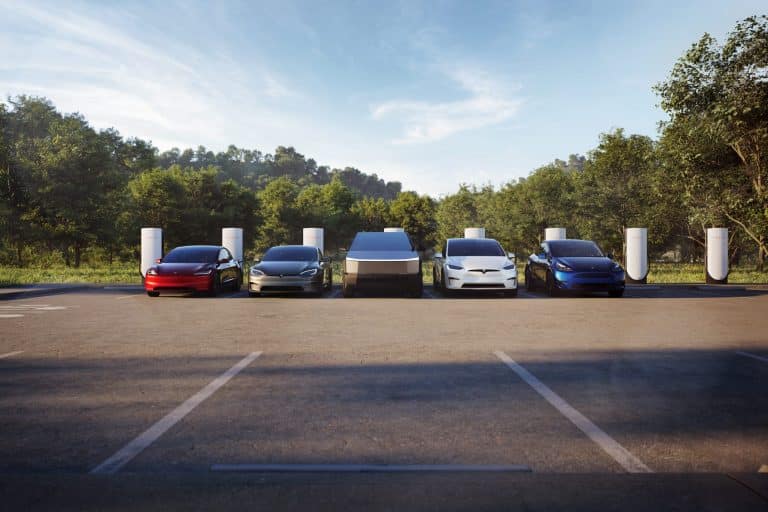
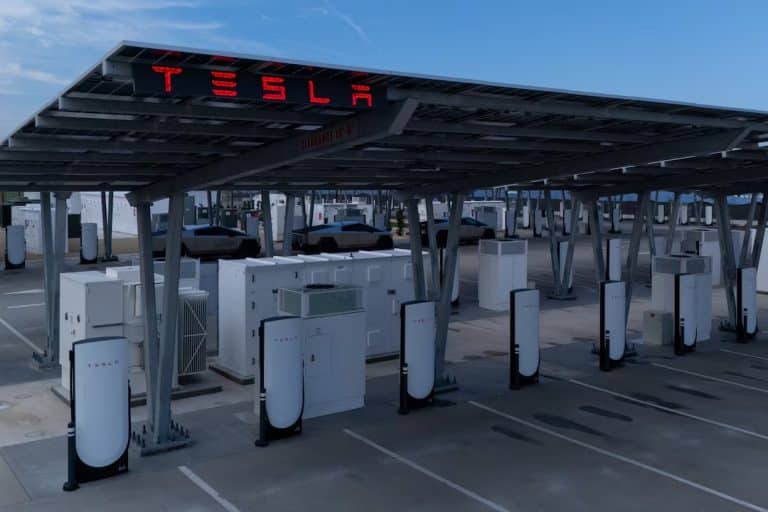
Imagine pulling off the Interstate 15 midway between Los Angeles and Las Vegas, not just to grab a quick bite or stretch your legs, but to join hundreds of fellow EV drivers in what will soon be the world’s largest Tesla Supercharger site. Tesla is gearing up for a colossal expansion at Eddie World 2 in Yermo, California, planning over 400 V4 Supercharger stalls across six phases—dwarfing even the current giants like the 168-stall Lost Hills Oasis. This isn’t just infrastructure; it’s a bold statement on the future of electric mobility, perfectly timed for surging EV adoption, Cybertruck owners, Tesla Semi fleets, and the impending Robotaxi revolution.

Tesla’s Bold Pivot: Model S and X Production to End in Q2 2026, Referral Perks Slashed – What It Means for Buyers and Fans

Tesla, the electric vehicle pioneer that redefined luxury performance, is making headlines with a seismic shift in its product strategy. According to recent updates, production of the iconic Model S and Model X is set to wind down by Q2 2026. This move isn’t just about retiring aging models—it’s a strategic reallocation of manufacturing capacity toward high-priority projects like the Optimus humanoid robots and next-generation vehicles.

xAI’s Monumental 1.2 GW Power Pledge: Pioneering Sustainable AI Supremacy in Memphis

In a landmark announcement at the White House, SpaceX President and COO Gwynne Shotwell unveiled xAI’s audacious commitment to self-power its Memphis-area AI supercomputer with a staggering 1.2 gigawatts (GW) of dedicated power infrastructure. This move, part of President Donald Trump’s “Ratepayer Protection Pledge,” signals a seismic shift in how Big Tech approaches the energy demands of the AI revolution. As the operator of Colossus—the world’s largest AI training supercomputer—xAI isn’t just building compute; it’s redefining responsible scaling by prioritizing local resources, environmental stewardship, and economic uplift. In this deep dive, we’ll unpack the pledge, xAI’s specifics, and what it means for the future of AI infrastructure.

Tesla’s Monolithic Seat Revolution: The Patent That Could Redefine Hypercar Comfort and Performance in the Next-Gen Roadster

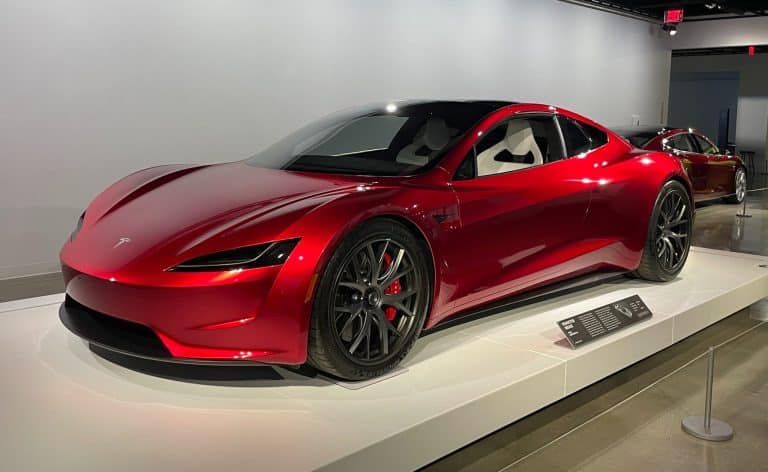
In the high-stakes world of electric hypercars, every gram counts, and Tesla is no stranger to pushing boundaries. Just one day ago, on March 5, 2026, the United States Patent and Trademark Office published US 20260061898 A1, titled “Vehicle Seat System,” revealing Tesla’s bold vision for a monolithic composite seat frame. First spotted by eagle-eyed Tesla patent tracker @seti_park on X, this innovation arrives at a pivotal moment—mere weeks before Elon Musk’s teased April 1, 2026, reveal of the production-spec next-gen Roadster.

xAI’s Colossus Conquest: $659M Mega-Expansion, 1.2GW Power Vows, and Memphis’ Transformation into an AI Powerhouse

In the high-stakes world of artificial intelligence, where compute power is the new oil, xAI—backed by Elon Musk—isn’t just building data centers; it’s erecting an empire. The latest bombshell? A freshly filed $659 million construction permit for a sprawling 312,000-square-foot, four-story behemoth at 5414 Tulane Road in Memphis, Tennessee, right next to the Colossus 2 supercomputer site. This isn’t a minor upgrade—it’s a signal of xAI’s blistering ambition to dominate AI training with unprecedented scale. From repurposed factories to gigawatt-scale campuses spanning state lines, xAI’s Memphis saga is a masterclass in rapid deployment, bold infrastructure bets, and the tensions of tech-fueled growth. As a tech blogger who’s tracked Musk’s ventures from Tesla Gigafactories to Starship launches, I see this as the blueprint for the AI data center revolution. Let’s dive deep.

Tesla FSD v14.2.2.5: A Rollercoaster of Progress and Persistent Quirks – First Impressions and Real-World Analysis

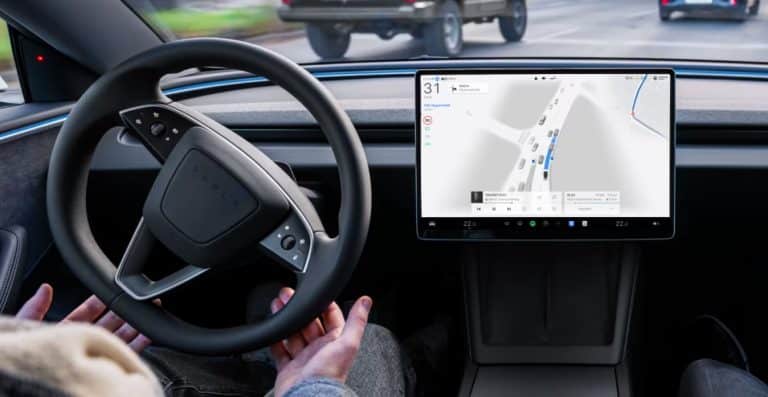
As a seasoned Tesla enthusiast and autonomous driving analyst who’s logged thousands of miles testing Full Self-Driving (FSD) betas, I’ve been eagerly awaiting the rollout of v14.2.2.5. This update promised refinements in speed management, navigation, and edge-case handling, building on the neural net advancements from earlier v14 iterations. But does it deliver? Drawing from hands-on user reports, Teslarati’s in-depth review, Reddit threads, and YouTube test drives, this post dives deep into the highs, lows, and everything in between. Spoiler: It’s a mixed bag – smoother than ever in some areas, but plagued by head-scratching bugs that remind us FSD is still “supervised” for a reason.

Bank of America Goes Bullish on Tesla: $460 Price Target Spotlights FSD Dominance and Robotaxi Goldmine

As a seasoned tech and automotive blogger with over a decade tracking the electric vehicle revolution, I’ve seen my share of Wall Street flip-flops on Tesla (TSLA). From euphoric highs during the 2021 boom to cautious downgrades amid 2024-2025 EV market jitters, analysts have been all over the map. But Bank of America’s latest move—reinstating coverage with a Buy rating and a whopping $460 price target—feels like a genuine inflection point. This isn’t just hype; it’s backed by Tesla’s exploding Full Self-Driving (FSD) data moat, a camera-only vision system that’s lightyears ahead of lidar-laden rivals, and a robotaxi opportunity that could redefine Tesla’s valuation. Let’s dive deep into the report, the numbers, and why this could be the catalyst for Tesla’s next leg up.

Elon Musk’s Audacious Bet: Tesla Optimus as the Dawn of AGI-Powered Von Neumann Probes and Multi-Planetary Civilization

In the rapidly evolving landscape of artificial intelligence and robotics, few visionaries command as much attention as Elon Musk. Recent announcements from Tesla, xAI, and SpaceX have ignited a firestorm of speculation about the convergence of humanoid robots, artificial general intelligence (AGI), and interstellar expansion. At the heart of this revolution is Tesla’s Optimus robot—not just a factory worker or household helper, but potentially the world’s first self-replicating “Von Neumann probe” capable of bootstrapping entire civilizations on alien worlds. Drawing from Musk’s latest X posts, production shifts at Tesla’s Fremont factory, and blockbuster mergers, this post dives deep into the implications, timelines, and transformative potential of these developments.

Tesla’s Controversial FSD Transfer Policy Shift: Cybertruck Owners Beware – Delivery Deadlines Now Trump Orders

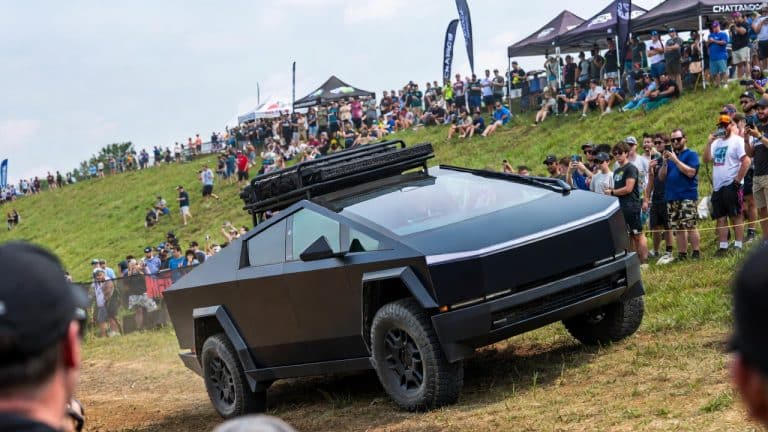
In a move that’s sent shockwaves through the Tesla community, the company has quietly updated its Full Self-Driving (FSD) Supervised transfer program. What was once a generous incentive allowing owners to transfer their pricey FSD package to a new vehicle if they simply ordered by March 31, 2026, now demands delivery by that same date. This subtle but seismic change, spotted first by eagle-eyed owners on forums and social media, primarily impacts Cybertruck buyers facing production delays – leaving many feeling baited and switched after committing to orders.

Ralph’s Supermarkets Charges Ahead: Tesla Semi Sighting on LA Highways Ignites Grocery Logistics Revolution

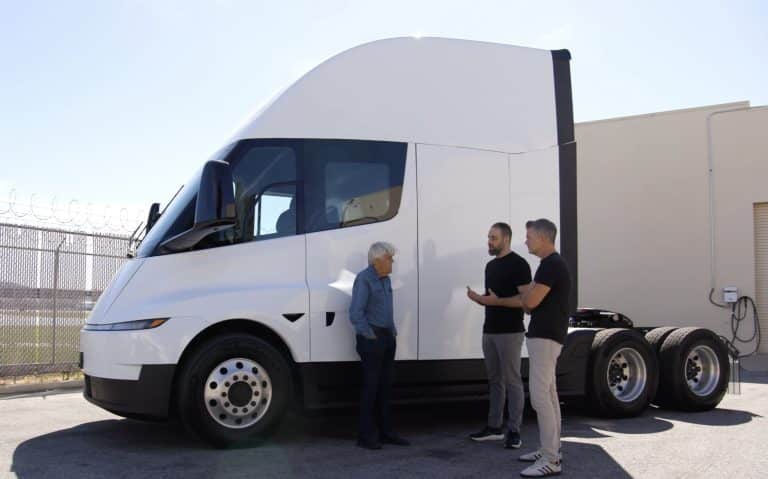
In a moment that’s gone viral across social media, a dashcam video captured a sleek Ralph’s Supermarkets Tesla Semi trucking down a Los Angeles highway. Posted by X user @ChargePozitive on March 2, 2026, the footage has sparked excitement among EV enthusiasts and logistics pros alike. This isn’t just a one-off test; it’s concrete evidence of Kroger-owned Ralph’s – a staple in Southern California grocery shopping – deploying Tesla’s game-changing electric Semi in real-world operations. As a blogger who’s tracked the evolution of electric trucking for years, I see this as a pivotal tipping point for the industry. Let’s dive deep into what this means, backed by the latest data and insights.

Load more