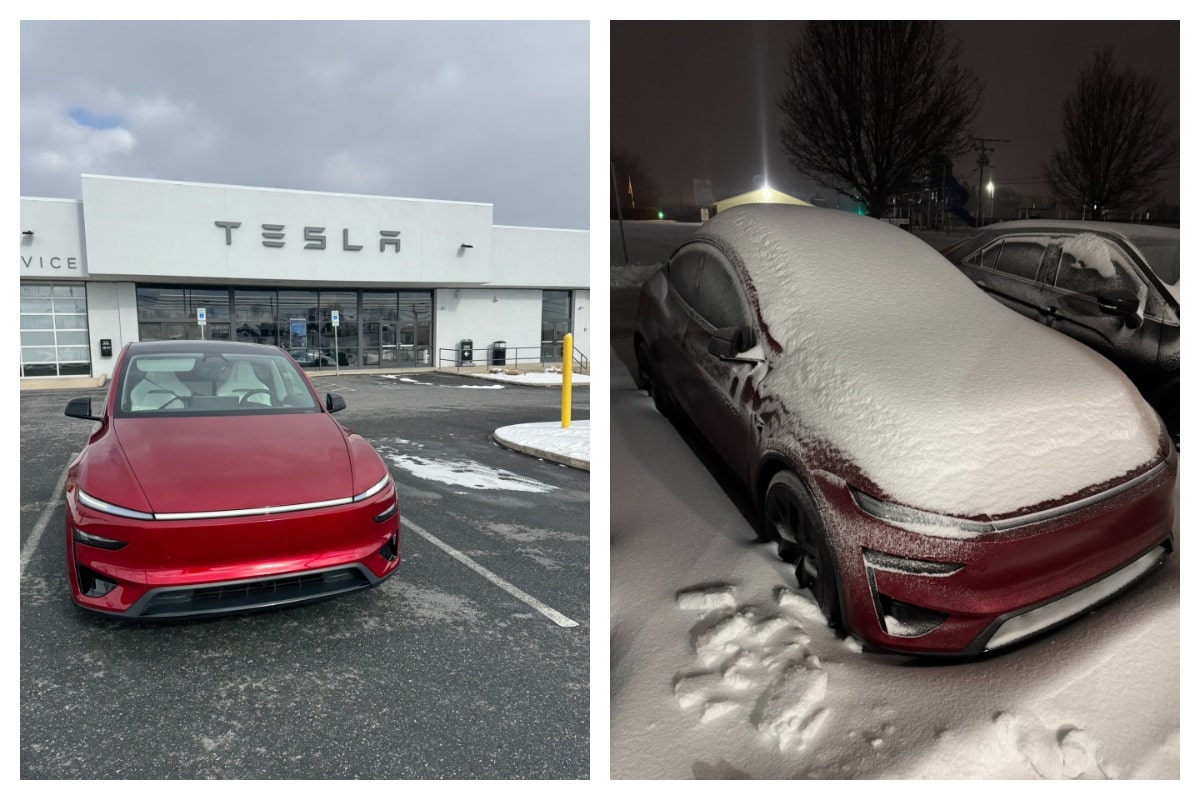
Tesla Model Y Takes on 8 Inches of Snow: Defrost Test Reveals Winter Warrior Secrets
Key Takeaways
- Pennsylvania experienced 10-12 inches of snow from a major winter storm.
- Tester borrowed a Tesla Model Y Performance for a week and conducted a defrost experiment on 8 inches of snow accumulation.
- Tesla’s defrost feature is highly effective, app-activated, and superior to other cars for clearing windshield ice and snow.
- Test started at 10:30 a.m. in cold, cloudy conditions; initial melting visible by 20 minutes near A-pillars.
- Sun emerged around noon, aiding the process.
- Full clearing to drivable state took 3 hours and 40 minutes using only defrost, no scraping.
- Tester prefers manual snow removal plus defrost for efficiency in real use.
winter white-knuckle drives are a recurring pattern here. But nothing quite captures the magic (and occasional frustration) of EV ownership like a massive snowstorm dumping 10-12 inches on Pennsylvania, as happened recently during a brutal winter blast.❶ ❷One intrepid tester, armed with a loaner Tesla Model Y Performance, turned the chaos into a fascinating experiment: How long does Tesla’s vaunted Defrost feature take to melt 8 inches of snow without a single scrape? Spoiler: It worked, but not without patience. In this deep dive, I’ll break down the test results, explain how Tesla’s system stacks up against traditional cars, share pro tips for winter EV mastery, and offer insights from real-world data and my own experiences.
The Pennsylvania Snowpocalypse Setup
Picture this: A nasty winter storm rips through the country, blanketing Pennsylvania in 10-12 inches of heavy, wet snow while ice storms pummel other regions. The tester had the Model Y for just a week—delivered last Monday—and this was their final full day before returning it. Covered in a thick layer of accumulation, the SUV became the perfect lab rat for a no-touch defrost challenge.❷
Key Test Parameters:
- Snow Depth: 8 inches on the windshield and body (real-world heavy pack from the storm).
- Conditions: Started at 10:30 a.m. under cloudy, cold skies (exact temps not specified, but typical post-storm chill around freezing or below).
- Method: Pure Defrost mode via the Tesla app—no ice scraper, no manual intervention. Time-lapse captured via iPhone tripod.
- Goal: Time to “drivable” state—snow melted enough for safe public roads.
Tesla’s Defrost isn’t your grandma’s rear-window warmer. It’s a full-court press: app-activated preconditioning blasts hot air from the heat pump across the windshield, side windows, mirrors, and even the charge port. It ramps cabin heat to sauna levels while directing airflow strategically.❸ ❹The tester praised it as “one of the best and most underrated” features, outperforming rivals by clearing more glass area faster.❷
Test Results: Melting Timeline and Observations
The verdict? 3 hours and 40 minutesto fully clear the snow to a safe driving level. Not a quick fix, but impressive for hands-off operation.
Here’s the blow-by-blow from the time-lapse:
- 0-20 Minutes: Initial melting kicks in along the windshield edges near the A-pillars. Warm air targets these hotspots first, creating visible drips. ❷
- 20-60 Minutes: Steady progress; snow softens centrally, but the pile remains thick. No sun yet—pure heat pump power.
- Noon Onward: Sun breaks through around midday, turbocharging the melt. Solar assist + Defrost = exponential speedup.
- 3+ Hours: Full clearance. Drivable, but the tester noted they’d never wait this long in reality—manual scraping + Defrost is the smart play for mornings before the gym.
Energy draw? Similar tests show 4-7% battery loss over 2-3 hours, depending on cold soak and model.❺For context, a 1-foot snow test on Model Y took comparable time, proving scalability.❶
In my Highland Model 3, I’ve defrosted 4-6 inches in 45-90 minutes with preconditioning—faster in sunnier climes. The Model Y’s larger glass area demands more oomph, but its heat pump efficiency shines.
How Tesla’s Defrost Works: Tech Deep Dive
Tesla’s system leverages the eighth-gen heat pump (standard since 2021 Model Ys), which extracts ambient heat even at -10°F far better than resistive heaters in older EVs or ICE cars.❻
Core Components:
- App Preconditioning: Tap “Defrost Car” in Climate menu—activates mirrors, windows, windshield, and cabin preheat. ❸
- Hot vs. Cold Defrost: “Hot” maxes heat; “Cold” prioritizes dehumidified air for fog without overheating. ❼
- Auto Features: Heated mirrors/steering wheel/wipers/seats integrate seamlessly.
Pro Tip: Schedule via app for departure time—your cabin’s toasty before you leave, minimizing idling drain.
Tesla Model Y vs. Traditional Cars: Snow Clearing Showdown
Gas guzzlers rely on engine waste heat, which takes 5-15 minutes to build—useless in a cold-start blizzard. Tesla? Instant max heat.❽
| Feature | Tesla Model Y | Traditional ICE SUV |
|---|---|---|
| Heat Up Time | Instant (heat pump) | 5-20 mins (engine warmup) |
| Clearance Area | Windshield + mirrors + port | Mostly rear window + vents |
| App Control | Yes, remote | No |
| Snow Melt Test | 8″ in 3h40m hands-free | Scraper mandatory |
| Efficiency | 4-7% battery/hour | Fuel waste, no quantifiables |
Teslas dominate traction too: Dual-motor AWD, low center of gravity, and “Snow Mode” (auto power bias shift) outperform many SUVs. Owners report “sticking like glue” in blizzards.❾ ❿Drawback? Range dips 20-30% in cold (78% retention at 32°F), but precondition at Superchargers mitigates.⓫
Top Tesla Features for Winter Domination
Beyond Defrost, here’s what makes Model Y a snow beast:
- Winter Tires/Chains: Essential; Tesla Shop options boost grip 50%+. ❸
- Cabin Overheat Protection: Keeps interior above freezing.
- Regen Braking Adjust: Slip-Start for icy launches.
- FSD in Snow: HW4 excels following tire tracks in unplowed roads. ⓬
- Battery Preheat: Auto for charging/driving.
My Top 7 Winter Driving Tips:
- Precondition Daily: 30 mins via app—warm battery/cabin saves 10-20% range.
- Tire Pressure: Check cold (32-35 PSI); drops 1 PSI/10°F.
- Washer Fluid: Winter mix prevents freezing.
- Handles/Mirrors: Gently warm; avoid yanking.
- Park Smart: Garage > driveway for less buildup.
- Monitor Sentry: Alerts snow thieves (kidding—but useful).
- Software Updates: Always install; traction tweaks roll out often.
Real-world: Chicago Model Y owners rave about confidence at highway speeds in snow.⓭
Insights, Opinions, and Advice
Tesla skeptics cry “EVs hate winter!”—nonsense. With prep, Model Y outperforms 90% of ICE crossovers. The 3h40m test proves Defrost’s limits (don’t rely solely), but hybrids its power with a $10 scraper for perfection.
Advice: Invest in winter tires ($1,200/set) over all-seasons. For families, Long Range AWD crushes Performance in efficiency. Range anxiety? Plan with ABRP app.
Cons? Exposed charge port ices over; wipers need manual clear sometimes. But upsides—silent, torquey grip—win.
Final Thoughts: Embrace the Freeze
This Pennsylvania test cements Tesla’s winter cred: Defrost melts mountains (slowly), but paired with smarts, Model Y is unstoppable. If you’re eyeing one, test in snow—dealers oblige. Stay charged, friends.