The Rise and Fall of Mistergreen: A Tesla-Only Rental Fleet’s Bankruptcy and Its Lessons
Key Takeaways
- Dutch leasing company Mistergreen, a Tesla-only rental fleet, is facing bankruptcy due to rapid vehicle depreciation.
- Mistergreen’s business model relied on Elon Musk’s claims of Tesla cars as “appreciating assets”, which has proven inaccurate in the current market.
- The company wrote down millions in fleet value after Tesla slashed prices, heavily impacting used EV values and their profitability.
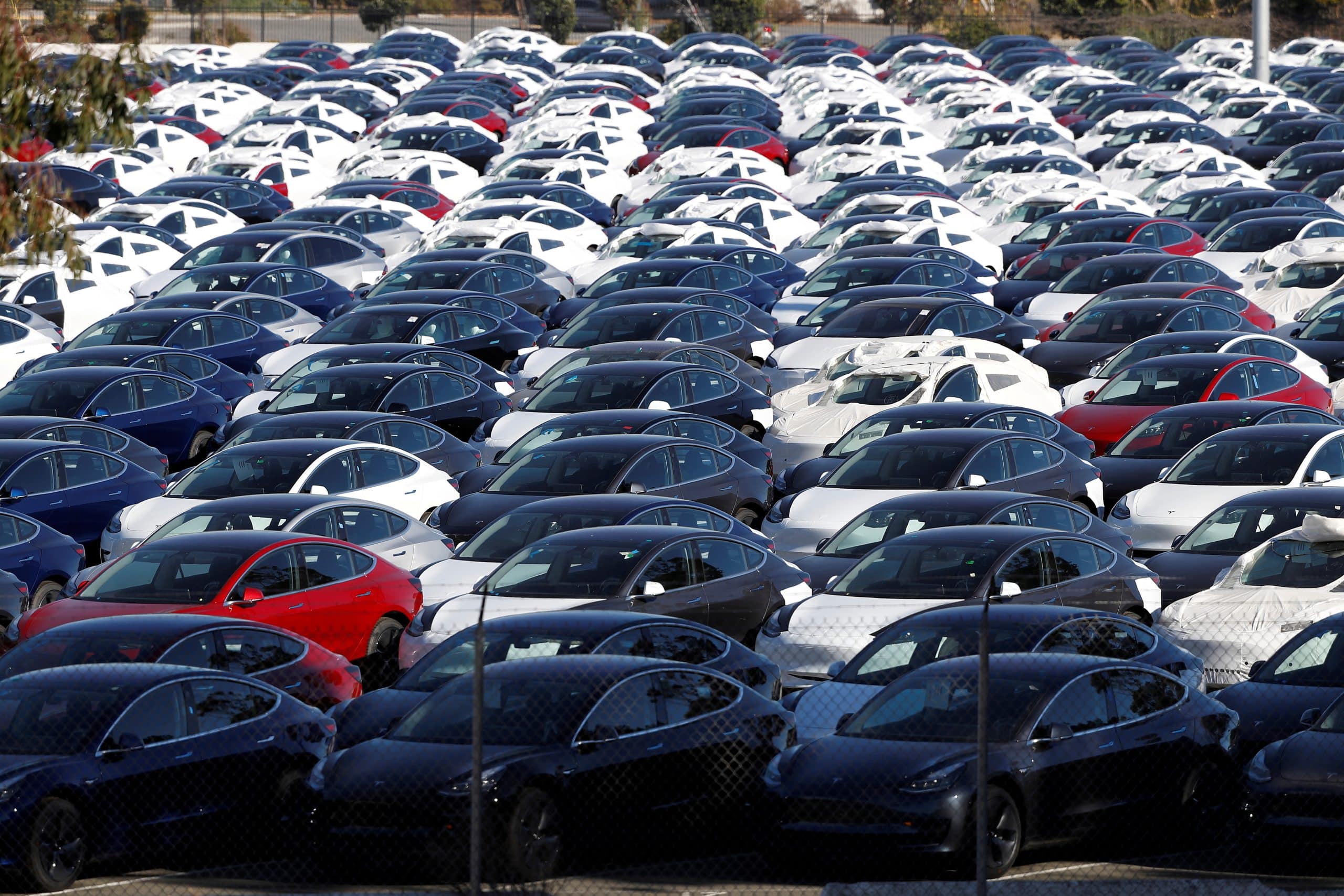
- Mistergreen’s fleet of over 4,000 vehicles faced significant losses as depreciation rates exceeded industry averages.
- Investors lost tens of millions as the company’s gamble on robotaxis and FSD did not materialize, leading to massive financial losses.
- Commenters reflected skepticism over Musk’s previous claims about Teslas being appreciating assets, pointing to the mechanical nature of vehicles.
Navigating the world of electric vehicles (EVs) has been revolutionary, filled with promises of a greener future and transformative technologies. However, not all stories in this domain unfold as anticipated. Mistergreen, a Dutch leasing company that operated a Tesla-only rental fleet, recently filed for bankruptcy. As we delve into this saga, we’ll explore the intricacies of their business model, the role of Tesla vehicle depreciation, and the broader implications for the EV market.
Understanding Mistergreen’s Ambitious Move
Mistergreen’s Tesla-Only Fleet: The Vision
Mistergreen embarked on an ambitious journey, staking its future on Tesla vehicles. Their strategy revolved around a growing belief that these electric cars were not just sustainable but also financially prudent investments. Here’s why:
- Belief in Appreciating Assets:
- Guided by Elon Musk’s claim that Tesla cars were “appreciating assets” due to their Full Self-Driving (FSD) capabilities, Mistergreen anticipated a future where their fleet would not just maintain but increase in value.
- Betting on the Robotaxi Future:
- At the core of their strategy was an expectation that Tesla cars would soon operate as autonomous robotaxis, generating significant revenue.
What Went Wrong? The Harsh Realities
The Downfall Begins: Factors Leading to Mistergreen’s Bankruptcy
- Depreciating Tesla Vehicles:
- Contrary to Musk’s bold predictions, Tesla vehicles faced rapid depreciation, exacerbated by aggressive price cuts from the automaker, thereby diminishing residual values.
- Financial Losses from Misguided Investments:
- With over 4,000 Teslas, Mistergreen found itself heavily impacted by the depreciation exceeding industry averages, leading to substantial financial write-downs.
- Investor Fallout:
- The initial promise attracted significant investment based on high residual guarantees. However, as the market realities became apparent, tens of millions were lost, and investor confidence was shattered.
Broader Implications for the EV Market
Understanding the Impact on the EV Landscape
- Tesla’s Price Cuts: A Double-Edged Sword:
- While lower prices attract new buyers, they have detrimental effects on existing vehicle values, posing risks for owners and leasing companies alike.
- Skepticism About Vehicle Appreciation:
- The case highlighted a critical flaw in assuming significant appreciation in automotive assets, reminding stakeholders of the inherent mechanical degradation of vehicles over time.
- Rethinking Autonomy and Revenue Models:
- Global rollout of autonomous vehicles has been slower than many expected, altering business models that relied heavily on this assumption.
Lessons Learned and Moving Forward
Key Takeaways and Future Directions
- Realistic Business Models:
- Companies must critically assess visionary claims, ensuring that business models align with realistic and tested market expectations.
- Diversification of Investments:
- Reliance on a single automaker or technology can be perilous. Diversification may offer better risk mitigation.
- Staying Informed and Adaptive:
- As the EV market continues to evolve, stakeholders need to adapt swiftly to technological developments and shifting market dynamics.