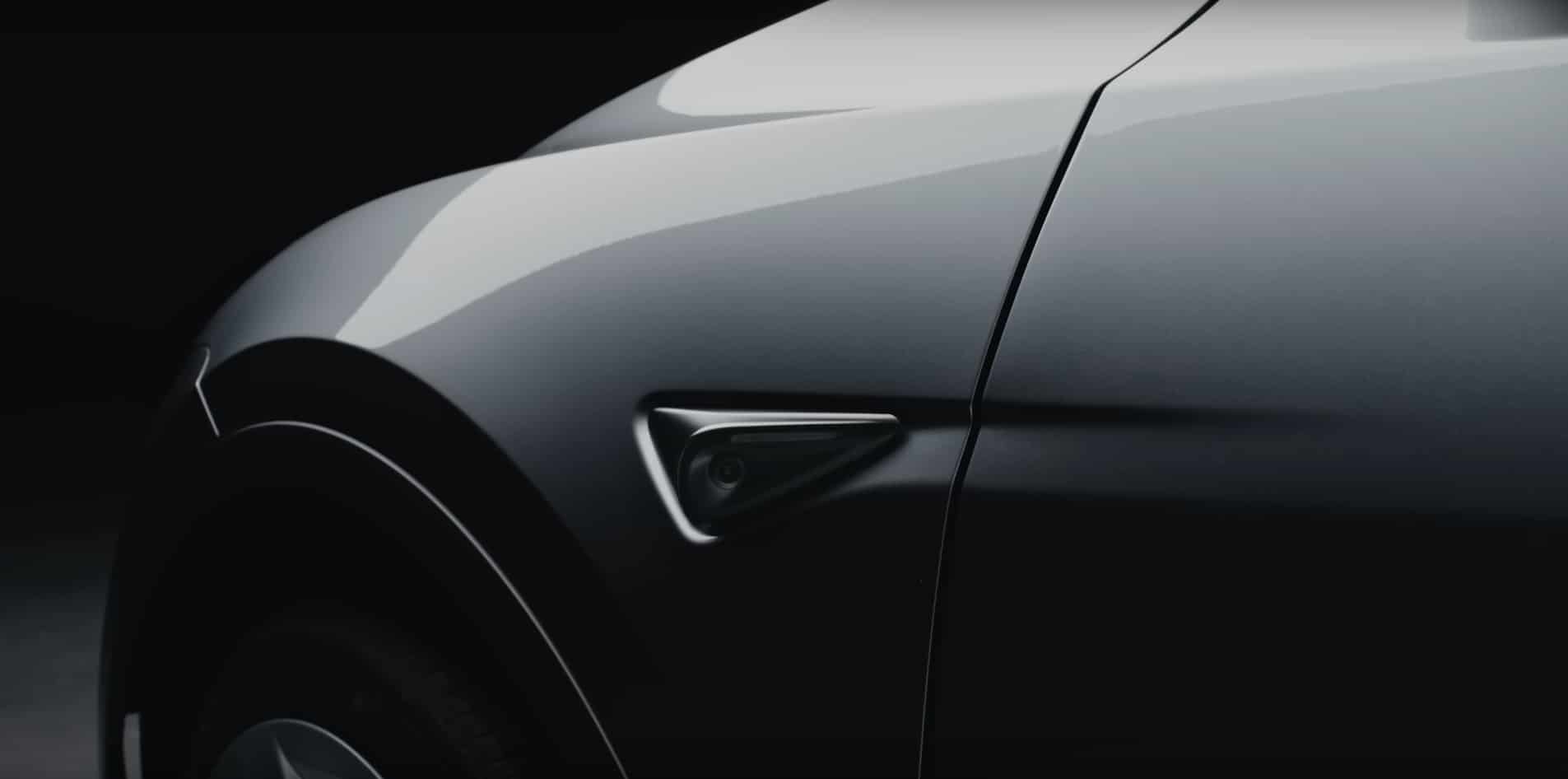
Tesla’s Evolution in Camera Technology: A Step Towards Full Autonomy
Key Takeaways
- Tesla is upgrading its exterior side repeater cameras for better performance and features.
- The upgrade is likely in preparation for the AI5 suite, anticipated for limited deployment in 2024 and broader use by 2027.
- Current cameras use the Sony IMX963 sensor; the potential new camera model is the IMX00N.
- Tesla has not officially detailed the specifications of the IMX00N sensor yet.
- Tesla’s AI4/HW4 vehicles currently support self-driving, but AI5 is expected to enhance capabilities significantly.
- The last major camera upgrade was in early 2023 when Tesla introduced the 5-megapixel IMX963.
In the relentless pursuit of true self-driving capabilities, Tesla once again positions itself at the forefront of automotive innovation by upgrading its exterior side repeater cameras. This upgrade is a significant stride toward bolstering Tesla’s Full Self-Driving (FSD) suite, welcoming the imminent AI5 suite that is set to redefine performance benchmarks in autonomous vehicle technology.
A Journey to Autonomous Excellence
Tesla’s announcement to upgrade its exterior side repeater cameras marks an exciting development in the company’s ongoing efforts to enhance its vehicles’ autonomous features. This technological leap highlights Tesla’s commitment to continuous improvement and innovation, ensuring their vehicles not only adapt to the current market demands but also set a precedent for future advancements.
The Technical Leap: From IMX963 to IMX00N
Currently, Tesla’s vehicles are equipped with the Sony IMX963 sensor, a 5-megapixel camera known for its superior dynamic range and low-light performance. This sensor was a considerable advancement from the previous 1.2-megapixel cameras in Hardware 3 (HW3) vehicles, providing significant improvements in image quality and data collection capabilities crucial for autonomous driving.
However, Tesla’s move to potentially incorporate the new IMX00N sensor signals a profound shift aimed at supporting the next generation of autonomous technology—the AI5 suite. Although official specifications for the IMX00N sensor remain undisclosed, expectations are high that this model will deliver even greater clarity, resolution, and data processing power.
Anticipating the AI5 Suite: 2024 and Beyond
The AI5 suite is more than just an upgrade; it represents Tesla’s vision of widespread autonomous driving capabilities. Set for limited deployment in 2024, with broader implementation planned by 2027, AI5 promises to enhance the current capabilities of AI4/HW4 vehicles, ensuring a more robust and efficient self-driving experience.
Key Expectations from the AI5 Suite:
- Improved Data Collection: Leveraging advanced sensors like the IMX00N to gather more precise and comprehensive data.
- Enhanced Performance: Smoother and smarter navigation capabilities equipped to handle diverse driving conditions.
- Increased Vehicle Autonomy: Moving closer to true self-driving without human intervention.
The Road Ahead: What This Means for Tesla Owners
For Tesla owners and automotive enthusiasts, this upgrade signifies not only a leap in technology but also a commitment to safety and efficiency. As Tesla gradually rolls out these advancements, existing vehicle owners can anticipate over-the-air updates that optimize their car’s current capabilities along with possible hardware revisions to integrate new components.
Tesla is not just building cars; it’s charting the future of mobility. By investing in cutting-edge camera technology and preparing for the AI5 suite, Tesla is paving the way for a new era of autonomous driving that prioritizes safety, efficiency, and innovation. As the journey unfolds, the potential integration of the IMX00N sensor stands as a testament to Tesla’s dedication to pushing the boundaries of what’s possible in the automotive landscape.