AI and Robotics May Eliminate the Need for Most Work in 20 Years, Elon Musk Predicts
Key Takeaways
- Elon Musk predicts AI and robotics could make work optional within 20 years.
- Future employment may become similar to a hobby, with labor being a choice rather than a necessity.
- Musk believes advancements in technology might accelerate this change, potentially happening in as little as 10 to 15 years.
- He emphasizes that robots could play a key role in eliminating poverty and providing essential services, including medical care.
The rapid advancement of artificial intelligence and robotics is reshaping our world in unprecedented ways. One of the most intriguing predictions comes from Elon Musk, who foresees a future where work as we know it becomes optional. In this blog post, we’ll delve into Musk’s vision, analyzing the implications of a world where labor is a choice rather than an economic necessity. We’ll explore how this could transform society, the potential challenges it might bring, and the steps we can take to embrace this shift.
Understanding Musk’s Vision
The Prediction
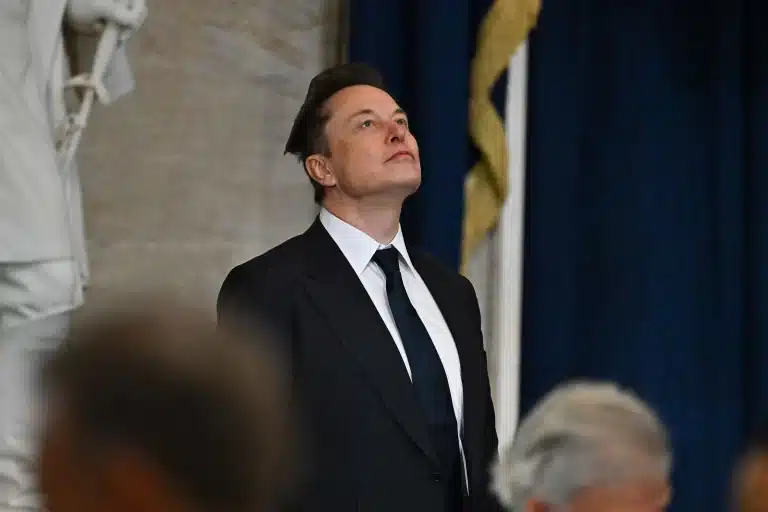
Elon Musk envisions a world where, in less than two decades, traditional work might become a thing of the past, replaced by a reality where people engage in labor as a hobby or personal pursuit. Musk suggests that by leveraging the growing capabilities of AI and robotics, humanity can automate most forms of work. This means that tasks currently seen as essential for economic survival could be handled by machines, allowing humans the freedom to work only if they choose to do so.
Comparison to Hobbies
In describing this future, Musk draws a parallel between employment and hobbies such as home gardening. Just as gardening is often done for personal satisfaction despite the availability of store-bought produce, work might become something people engage in for the enjoyment or challenge, rather than out of necessity. This analogy paints a picture of a lifestyle where fulfillment is prioritized over economic obligations.
The Role of Technology in Making Work Optional
Accelerating Technological Advancements
Musk’s optimism is rooted in the impressive pace of AI and robotics development. He acknowledges that while his predictions might seem bold, the trajectory of technological growth suggests that such a future could materialize even sooner than anticipated, possibly within the next 10 to 15 years. This accelerated timeline prompts us to consider how prepared we are for such a significant shift.
Eliminating Poverty and Enhancing Services
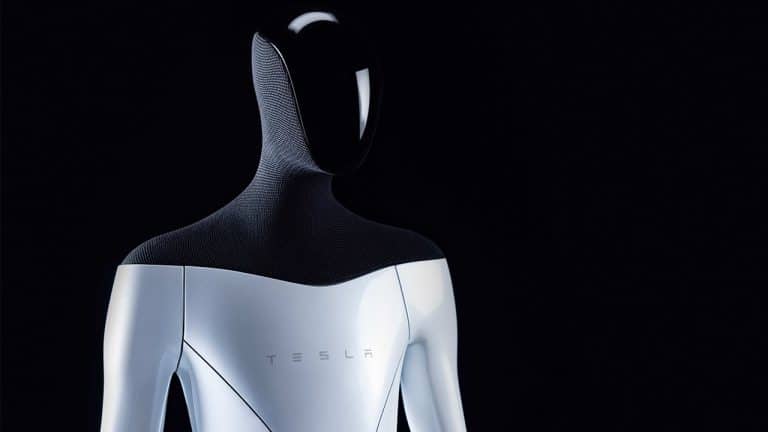
Beyond reducing the economic need for work, Musk also believes that robotics, especially sophisticated models like Tesla’s Optimus, could help eliminate poverty and provide equitable access to services. This could include offering the best medical care to people worldwide, thus narrowing the gap between different socioeconomic classes.
Implications of an Optional Work Future
Economic and Social Impact
- Redefining Economic Structures:
As traditional labor structures change, our economic systems will need to adapt. This includes reassessing wage mechanisms, taxation, and social security systems. - Shifts in Education and Skills Development:
With the workforce landscape transforming, educational institutions may need to revise curriculums to focus on creative, critical thinking, and emotional intelligence skills that machines cannot replicate easily. - Social Dynamics:
An optional work environment might redefine social status symbols, shifting value from vocational success to personal achievements and contributions to community and well-being.
Potential Challenges
- Displacement and Transition:
The transition to a less work-centric society could lead to temporary displacement for many workers whose skills are rendered obsolete. This requires proactive measures, such as re-skilling and social support systems. - Ensuring Fair Access to Technology:
To avoid widening the gap between different demographic groups, it is crucial to ensure equitable access to the technologies driving these changes. - Ethical and Regulatory Frameworks:
The increasing role of AI brings about ethical concerns, including privacy issues, decision-making transparency, and the potential for bias. Establishing robust regulatory frameworks will be essential.
Preparing for the Future
- Continuous Learning and Adaptability:
Emphasizing lifelong learning and adaptability can help individuals remain relevant in evolving career landscapes. - Encouraging Innovation and Collaboration:
Fostering an environment where innovation thrives will be crucial for adapting to rapid changes. Collaboration between public, private, and educational sectors can stimulate a mutually beneficial ecosystem. - Investing in Infrastructure and R&D:
Supporting research and development and investing in technological infrastructure can accelerate advancements and smooth the transition towards an optional work future.
Elon Musk’s predictions about the future of work challenge us to rethink our relationship with labor. As AI and robotics continue to evolve, the potential for a world where work is optional is both exciting and daunting. By addressing the challenges and preparing for the opportunities, we can navigate this transformative period towards a future that offers personal fulfillment and social equity.