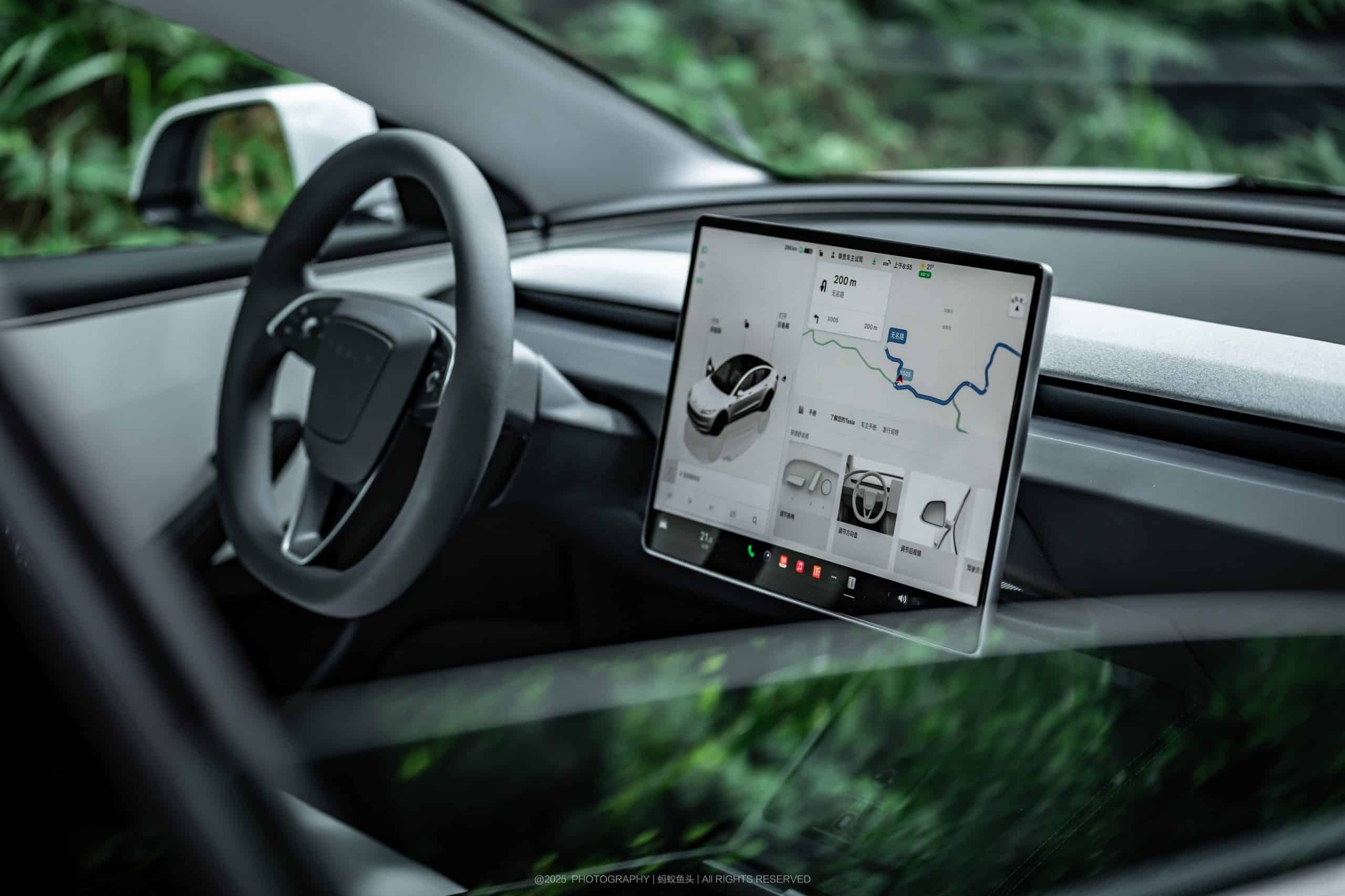
Tesla’s Full Self-Driving Supervised System: A New Era in South Korea
Key Takeaways
- Tesla has confirmed the upcoming launch of its Full Self-Driving (FSD) Supervised system in South Korea.
- A teaser video shows a Tesla Model S navigating local roads autonomously, performing lane changes, and parking without driver input.
- The supervised FSD system will initially be available in U.S.-made cars to comply with South Korean safety standards.
- Tesla’s popularity in South Korea has surged, driven by the new Model Y, which saw a 92.8% increase in domestic sales year-over-year.
- Legal and regulatory challenges may complicate the FSD’s local launch, especially for vehicles manufactured in China.
- An industry insider highlighted that while supervised FSD is technically feasible, road law conflicts are a concern, making U.S.-made vehicles a preferred option for initial rollout.
The automotive world is abuzz with excitement as Tesla, the electric car giant, confirms the upcoming launch of its Full Self-Driving (FSD) Supervised system in South Korea. This groundbreaking technology promises to revolutionize the way drivers in South Korea navigate their roads, providing new opportunities and challenges alike. In this blog post, we’ll explore the features of Tesla’s FSD Supervised system, assess the implications for South Korea’s automobile market, and delve into the regulatory landscape that could impact this innovative technology’s adoption.
Understanding Tesla’s FSD Supervised System
What is the FSD Supervised System?
Tesla’s Full Self-Driving Supervised system is a cutting-edge technology designed to enhance vehicle autonomy while still requiring driver supervision. Unlike fully autonomous systems, the supervised FSD ensures that the driver remains attentive and ready to take control if necessary. Some of the system’s standout features include:
- Autonomous Navigation: The ability of the vehicle to independently maneuver through local roads, perform lane changes, and navigate intersections.
- Hands-Off Parking: The capacity to park without driver input, showcasing a significant leap in automation.
- Driver Assistance: Continuously supports the driver by providing insights and alerts to enhance driving safety.
This system constitutes a pivotal step towards achieving fully autonomous vehicles, blending advanced technology with human oversight to offer a safer driving experience.
Tesla’s Rising Popularity in South Korea
Market Performance and Trends
Tesla’s introduction of the Model Y has triggered a significant surge in the company’s popularity in South Korea. The following points highlight the market dynamics:
- Sales Surge: The Model Y launch has driven domestic sales up by 92.8% year-over-year, establishing Tesla as one of the leading imported carmakers in South Korea.
- Consumer Attraction: The Model Y’s features and competitive pricing have made it highly attractive to South Korean consumers, eager for the blend of environmental consciousness and technological innovation.
- Influence on Local Market: Tesla’s rising dominance signals a shift in consumer preferences towards electric vehicles, prompting other manufacturers to innovate rapidly.
Navigating Legal and Regulatory Challenges
Challenges in Implementation
The implementation of Tesla’s FSD in South Korea isn’t without its hurdles. Several legal and regulatory factors must be considered:
- Safety Standards Compatibility: As most Teslas sold in South Korea are manufactured in China, complying with domestic safety standards is crucial. This makes U.S.-made models, which automatically meet local criteria due to the Korea-U.S. Free Trade Agreement, more favorable for initial rollout.
- Legal Hurdles: South Korea’s existing traffic laws may pose challenges to the deployment of such advanced autonomous technology. The rules need to evolve to accommodate and regulate this groundbreaking system.
- Industry Insights: Experts emphasize the need for potential regulatory reforms to enable seamless technology integration, focusing on road safety and legal preparedness.
Looking Ahead
While Tesla’s FSD Supervised system promises to usher in a new era of driving in South Korea, it also marks a critical juncture in the country’s regulatory and industrial domains. As Tesla gears up for this launch, industry watchers and consumers alike will be keen to see how the market and regulatory bodies respond.
Ultimately, Tesla’s journey into the South Korean market is a microcosm of the broader global push towards autonomous vehicles. It challenges traditional automotive paradigms and opens up conversations about the future of mobility.