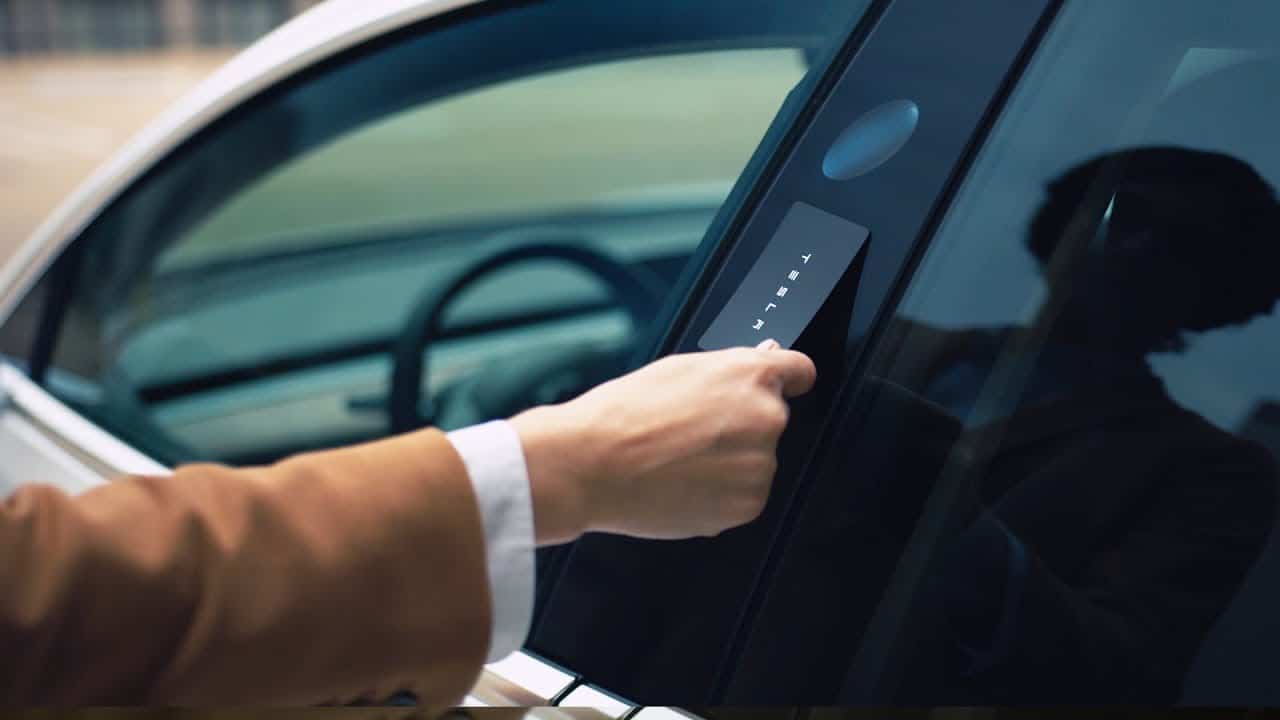
Is Tesla Phasing Out Key Cards? Exploring the Future of Vehicle Access
Key Takeaways
- Tesla may stop including key cards with vehicles as they are underutilized by owners.
- Many Tesla owners prefer using the Phone Key through the Tesla App for vehicle access.
- The removal of references to key cards in Owner’s Manuals suggests a shift in company policy.
- This change may be a cost-saving strategy by Tesla, especially after launching more affordable models.
- Key cards, introduced in 2017, still serve functions like Valet service or backup access when phones are unavailable.
- Key cards can be purchased separately for $40 in the Tesla Shop if needed.
With the evolution of technology and a constant quest for cost optimization, Tesla is contemplating removing a long-standing feature from its vehicles: the key card. Introduced in 2017, these key cards have served Tesla owners by providing a convenient backup access method. However, with new advancements like the Phone Key, these cards have become somewhat redundant for many users. Let’s delve into the reasons behind this potential change and what it means for Tesla owners.
The Traditional Role of Tesla Key Cards
When Tesla introduced the key card in 2017, it was a groundbreaking move. The card was sleek, fitting perfectly into a wallet, and served as an electronic key for Tesla vehicles. It helped streamline the setup process and acted as a tangible item new Tesla owners could rely on. The importance of key cards was underscored by their inclusion in the Owner’s Manual, establishing them as a mainstay in the Tesla ownership experience.
Key Functions of the Key Card:
- Initial Setup: Essential in the first interactions with the vehicle.
- Valet Service: Handy for handing off your car to a valet.
- Backup Access: A reliable alternative if your phone’s battery is depleted.
Embracing the Future: The Rise of the Phone Key
In stark contrast to the key card’s tangible nature, the Phone Key has emerged as a preferred choice for Tesla owners. Integrated seamlessly through the Tesla App, the Phone Key offers a level of convenience that key cards simply cannot match:
- Ease of Use: Most users always have their phones with them, reducing the need to carry an additional item.
- Enhanced Security: Phone Key is tied to the Tesla App, providing layers of security.
Through these benefits, many Tesla owners have begun to see the key card as redundant.
Why Tesla Might Be Moving Away from Key Cards
Cost Efficiency
As Tesla continues to innovate and move towards more affordable vehicle models, every dollar saved contributes to maintaining competitive pricing. Removing the key card from the initial package could be seen as a strategic measure towards this goal.
Customer Usage Patterns
Data likely indicates that a significant number of Tesla owners prefer and exclusively use the Phone Key, rendering the key card unnecessary for many. This shift in usage would naturally lead Tesla to reassess the need to include key cards with every vehicle purchase.
Potential Impacts on New and Existing Tesla Owners
For new Tesla owners, the absence of key cards in the vehicle package might be unnoticed due to the superior functionality of the Phone Key. However, there are scenarios where key cards still hold value:
- In Case of Dead Phones: With no battery left on a phone, a key card can be a lifesaver.
- Loaning the Vehicle: Providing a physical key to someone else driving your car can be convenient.
Given these situations, Tesla owners will still have the option to purchase key cards from the Tesla Shop if necessary.
Looking Forward: What This Means for the Industry
Tesla’s potential move away from key cards is indicative of broader industry trends, emphasizing digital integration and cost efficiency. This shift could inspire other automakers to evaluate their own vehicle access methods and optimize based on consumer preferences and technological advancements.
The evolution of Tesla’s key access strategy underscores the company’s commitment to leveraging technology while optimizing costs. While the key card is not yet obsolete, its potential phasing out marks a significant shift in how drivers interact with their vehicles. As Tesla continues to innovate, consumers can expect further advancements that enhance not just the driving experience, but the way vehicles integrate into everyday life.