Tesla’s Innovative Use of AI for Sustainable Factory Operations
Key Takeaways
- Tesla is using AI to enhance sustainability in factories, as revealed in its 2024 Extended Impact Report.
- Gigafactory Nevada’s HVAC infrastructure is now predominantly AI-controlled, optimizing energy consumption.
- In 2023, Tesla improved natural gas efficiency in plastics and paint shops at Gigafactory Texas, with plans to phase out gas entirely.
- Hygrometric Control Logic at Gigafactory Berlin saves 17,000 MWh of energy annually.
- Tesla’s N-Methylpyrrolidone refineries at Gigafactory Nevada save 9.5 GWh of energy through efficient raw material extraction.
- AI Control for HVAC systems has been expanded to factories in Berlin-Brandenburg and Fremont, improving energy demand management.
In a world increasingly driven by sustainability concerns, Tesla has emerged as a pioneer in leveraging advanced technologies to optimize its manufacturing processes. The company’s 2024 Extended Impact Report sheds light on the monumental strides Tesla is making by integrating Artificial Intelligence (AI) within its factories, massively enhancing sustainability across global operations. Let us delve deeper into how Tesla is optimizing energy use and paving the way for more eco-friendly manufacturing with the help of AI.
Integrating AI for Sustainability in Manufacturing
Tesla has made remarkable advancements in employing AI technologies to streamline factory operations, as evidenced by its 2024 Extended Impact Report. By blending AI with traditional manufacturing processes, Tesla is setting new benchmarks for sustainability within the industrial sector.
AI-Controlled HVAC Systems: Transforming Energy Use
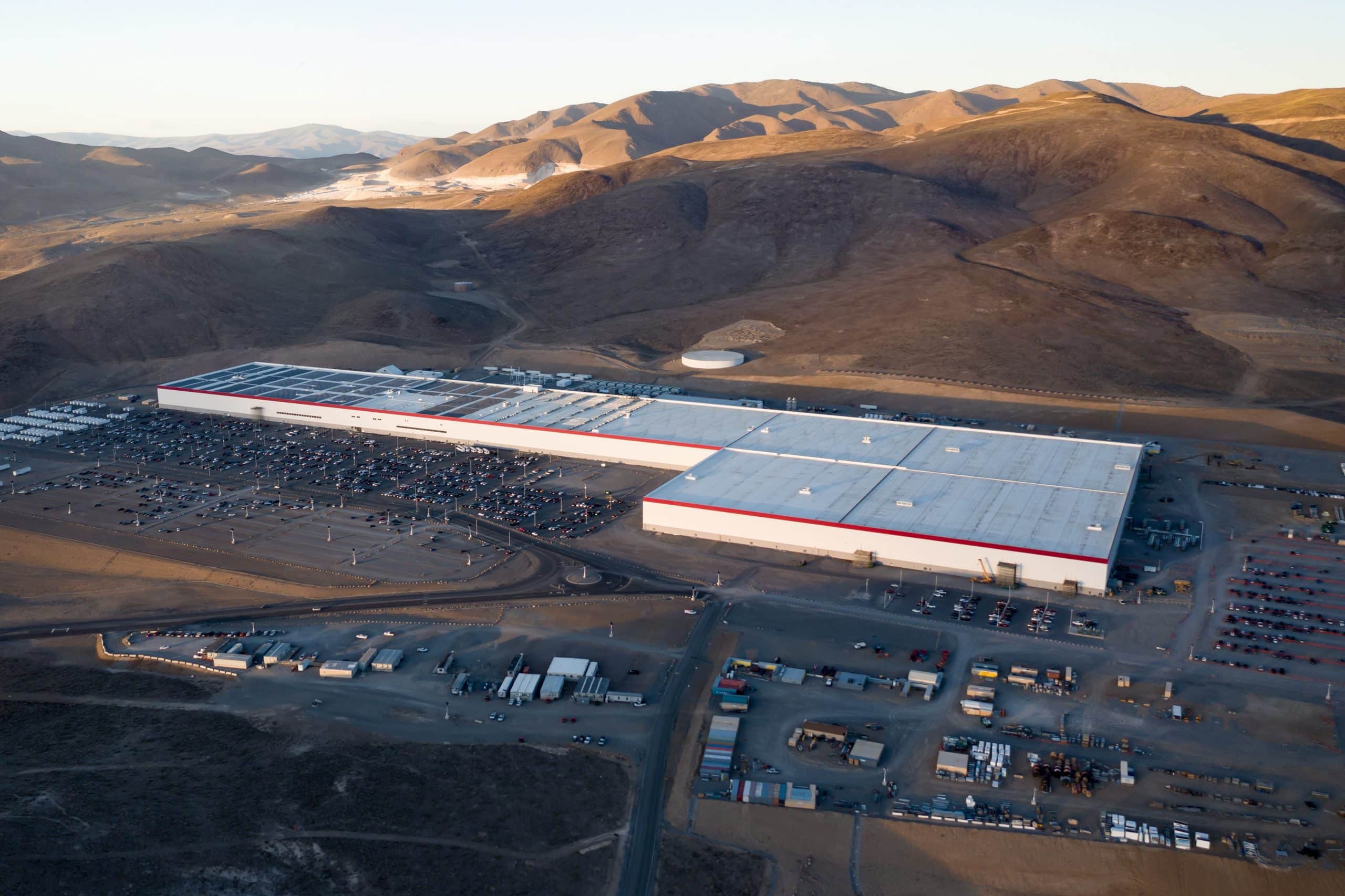
Tesla’s Gigafactory in Nevada is at the forefront of these transformations. Here, the HVAC systems are predominantly AI-controlled. This shift from conventional systems to AI-managed infrastructure has resulted in substantial energy savings. The AI system orchestrates various HVAC components, efficiently optimizing energy consumption while ensuring optimal production conditions are maintained.
Expansion of AI Controls Across Global Factories
Beyond Nevada, Tesla has expanded AI control systems to include its Berlin-Brandenburg and Fremont locations. This integration enables dynamic sensor-driven data processing, advanced modeling of factory dynamics, and streamlined application of control actions. Such innovations not only reduce energy demand but also maintain or enhance production efficiency.
Optimizing Natural Gas Usage: A Shift Towards Emission-Free Production
A significant focus for Tesla has been improving natural gas efficiency, particularly at its Gigafactory in Texas. In 2023, Tesla implemented comprehensive optimization controls in their plastics and paint shops. This initiative is part of a broader plan to gradually phase out natural gas entirely, aiming for emission-free production across all factories.
Energy Savings and Innovations at Global Facilities
Gigafactory Berlin: Hygrometric Control Logic
At Gigafactory Berlin, the implementation of Hygrometric Control Logic in air handling units has been a game-changer. This innovation conserves an impressive 17,000 MWh of energy annually, marking a significant step toward sustainable production practices.
Critical Raw Material Extraction Aided by AI
Tesla’s Gigafactory in Nevada has also pioneered in energy savings, saving 9.5 GWh of energy annually through the utilization of N-Methylpyrrolidone refineries. This AI-driven approach to raw material extraction underscores Tesla’s commitment to integrating AI for eco-friendly manufacturing solutions.
Pioneering a Sustainable Future with AI
Tesla’s application of AI in manufacturing processes exemplifies how cutting-edge technology can significantly contribute to sustainability objectives. Through strategic enhancements in energy use and operational efficiencies, Tesla not only reduces its carbon footprint but also sets an industry standard for integrating AI to facilitate smarter, more responsible production methodologies.
As Tesla continues to expand and refine its AI applications, the journey toward fully sustainable manufacturing operations seems more attainable than ever. Their commitment to phasing out natural gas and utilizing advanced controls underscores a future where sustainability and technology go hand-in-hand for societal benefits.