Mark Cuban Sparks Debate on Tesla’s Turn Signal Design: A Journey of User Experience and Community Feedback
Key Takeaways
- Mark Cuban is considering selling his Tesla due to the turn signal button feature, which he finds less intuitive.
- The switch from a stalk to a button has caused a polarizing reaction among Tesla owners, with many requesting a return to the traditional stalk.
- On the “Your Mom’s House” podcast, Cuban shared that he prefers the simplicity of his Kia EV6’s turn signal system over Tesla’s button method, emphasizing driver safety.
- Tesla has reverted to using a turn signal stalk in the new Model Y due to community feedback, although it lacks haptic feedback.
- Cuban’s concerns highlight how small design changes can significantly impact the user’s driving experience.
In the ever-evolving world of electric vehicles, Tesla often stands at the forefront of innovation. However, sometimes the most well-intentioned updates can polarize communities and evoke strong reactions. Such is the case with Tesla’s turn signal redesign, a feature causing enough controversy to make headlines. Notably, billionaire entrepreneur and known Elon Musk critic, Mark Cuban, has voiced his criticism, spotlighting the impact of user experience on customer loyalty.
The Turn Signal Transition: From Stalk to Button
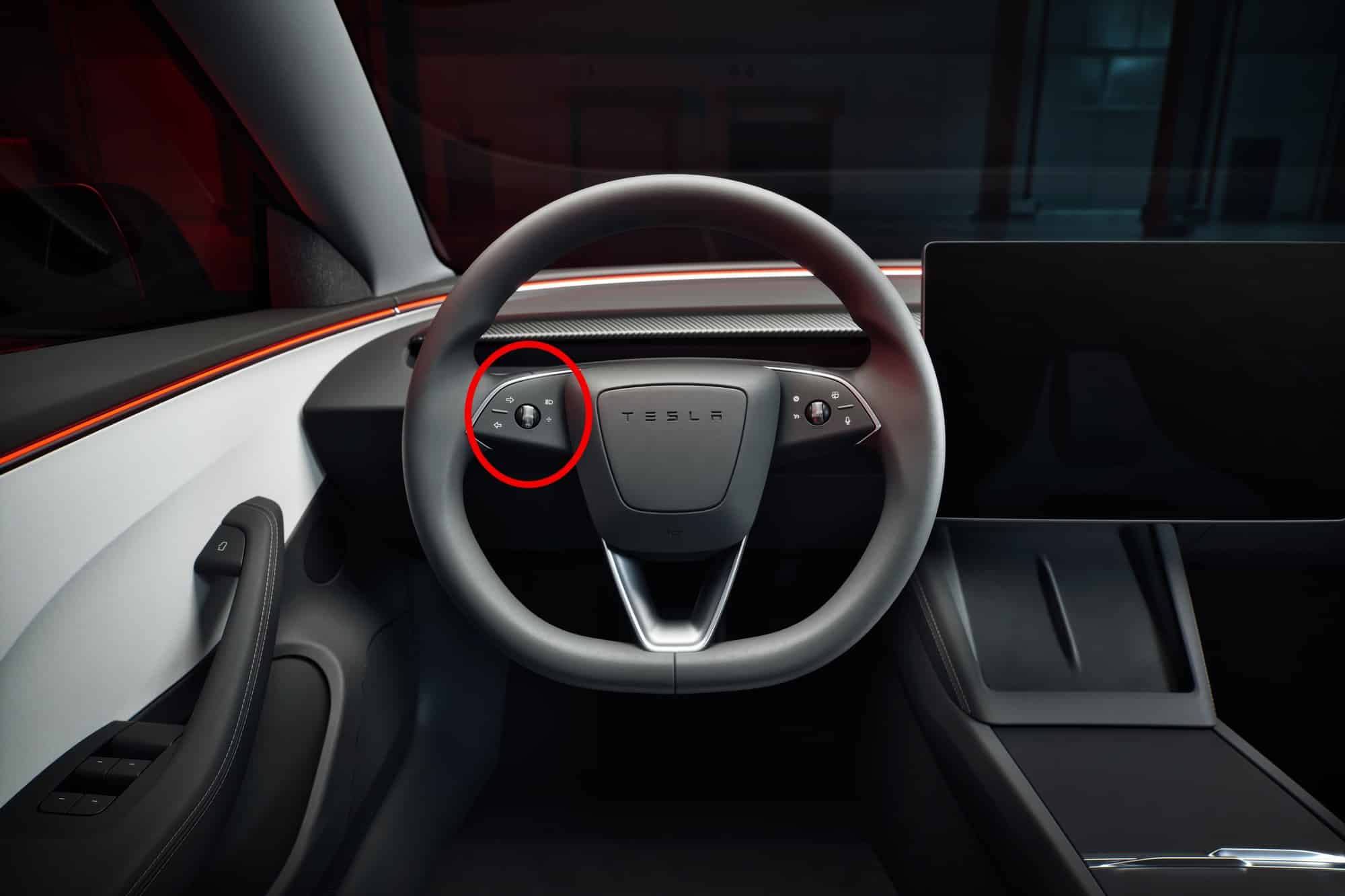
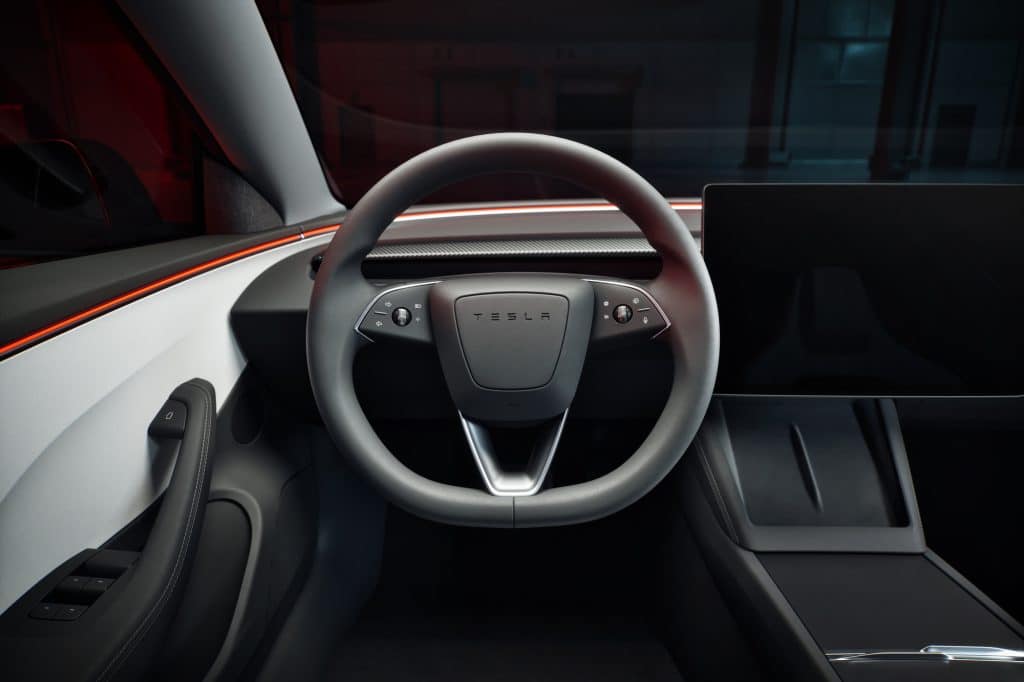
Tesla has always been a trailblazer in automotive innovation, challenging traditional car design norms. Among its recent changes is the transition from the classic turn signal stalk to a button on the Model 3, Model S, and Model X steering wheels. This redesign was Tesla’s nod towards a more futuristic, streamlined interior aesthetic but quickly became a divisive topic.
Why the Change?
- Design Philosophy: Tesla aimed to create a minimalist, seamless design by eliminating the traditional stalk in favor of steering wheel-mounted buttons.
- Technological Advancement: By incorporating more controls into the steering wheel, Tesla intended to enhance driver convenience.
- Market Differentiation: As a pioneering brand, such unique features help distinguish Tesla in an increasingly competitive EV market.
Polarizing Reactions from the Community
The redesign elicited mixed reactions from the Tesla community:
- Positive Feedback: Some users found the button system intuitive once accustomed and appreciated the futuristic feel.
- Negative Feedback: Many long-time drivers found the change inconvenient, expressing concerns about safety and ease of use.
Mark Cuban’s Perspective: Safety Over Innovation
As shared on the “Your Mom’s House” podcast, Mark Cuban expressed his discomfort with the new design. His main argument revolved around driver safety and ease of use:
- Safety Concerns: Cuban criticized that locating and pushing the button while driving distracts from the road, potentially endangering the driver.
- Personal Preference: Cuban prefers the ease and familiarity of the traditional stalk design found in his Kia EV6, avoiding the modern complexity of Tesla’s button.
Tesla’s Response to Feedback
Acknowledging community feedback, Tesla reverted to using a turn signal stalk in the new Model Y. However, this change was not without compromise—the new stalk lacks haptic feedback, which may impact some users’ experience.
The Broader Implications of Design Changes
The turn signal debate highlights a critical aspect of product design: the user experience. Even minor alterations can significantly influence customer satisfaction and loyalty. This scenario serves as a reminder that while innovation is crucial, manufacturers must remain attuned to their customers’ preferences and comfort levels.
A Balancing Act of Innovation and Usability
Tesla’s turn signal redesign saga underscores the delicate balance between innovation and usability. As the automotive industry continues to push boundaries, it is vital for companies to ensure that advancements enhance rather than hinder the driving experience.
Whether you’re a tech enthusiast or a devoted Tesla fan, Cuban’s critique and subsequent discussions provide food for thought on the impact of innovation on user experience. As for Tesla, the journey continues to refine and redefine the future of driving.