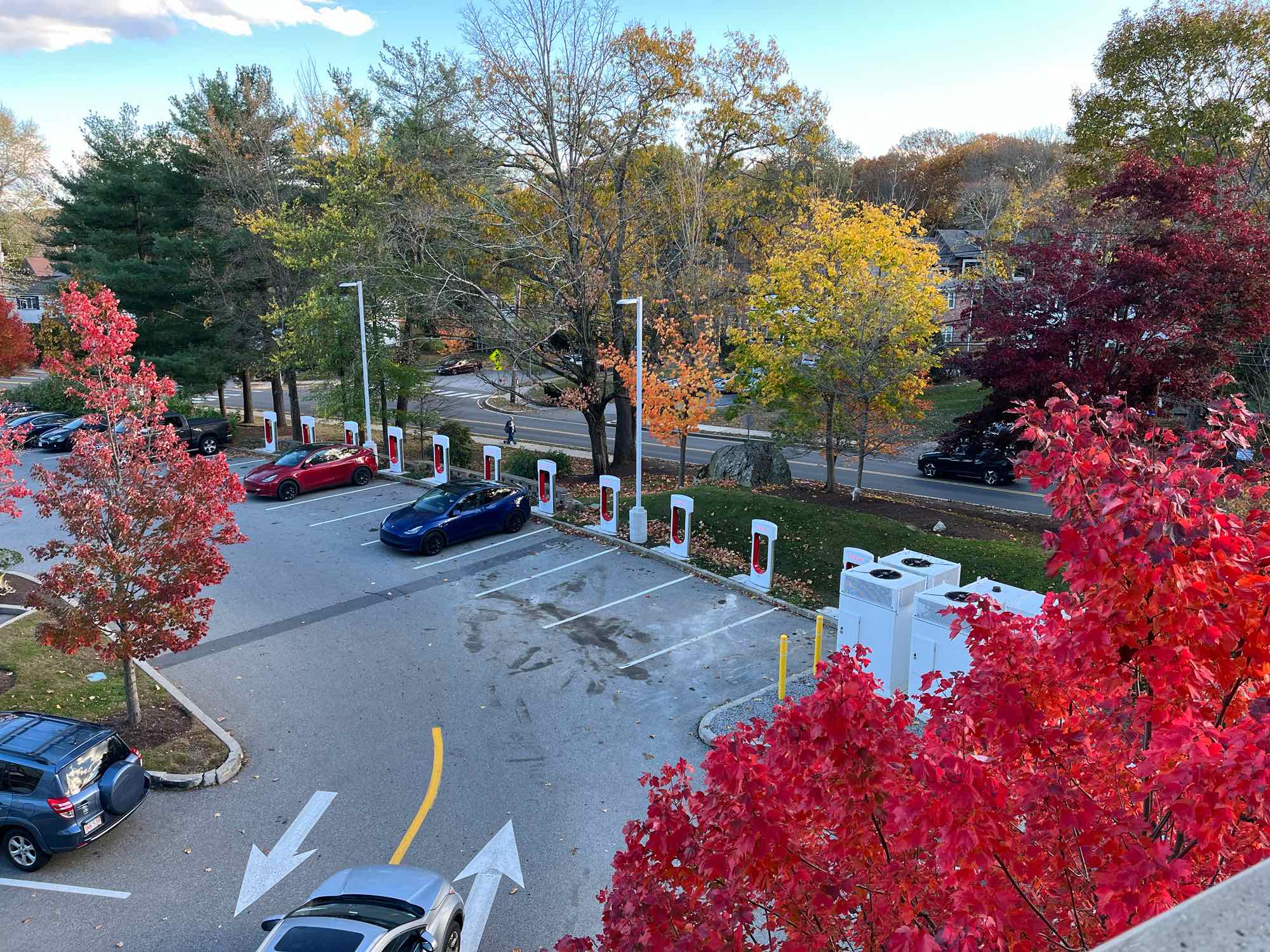
Tesla’s Open Road: How Non-Exclusivity Is Redefining EV Charging Infrastructure
Key Takeaways
- 🚗 Tesla Charging team follows a rule of no exclusivity in EV charging agreements to accelerate EV adoption.
- 📡 The strategy helps in expanding the availability of charging infrastructure, thus improving range confidence and keeping prices low.
- 🌐 Tesla’s NACS standard has been adopted by multiple automakers, including Ford, GM, Lucid Motors, and Rivian, reflecting its industry influence.
- 🔄 Max de Zegher, Director of Charging, emphasizes rejecting exclusivity offers from landlords, advocating for widespread charging infrastructure.
- 🗣️ There’s no shortage of places that could host charging stations, and legal barriers only hinder growth, according to Tesla.
- 📊 As of Q1 2025, Tesla operates 7,131 Supercharger stations with 67,316 stalls worldwide, reinforcing its position as a leading charging network.
In the fast-evolving world of electric vehicles (EVs), accessibility to reliable and affordable charging infrastructure is as crucial as the vehicles themselves. Tesla, a pioneer in the EV market, is taking significant strides to expand the accessibility and adaptability of charging solutions. By promoting non-exclusive agreements for its Supercharger Network, Tesla is setting the standard for an industry-wide transformation.
The Strategy Behind Non-Exclusivity
Tesla’s decision to forgo exclusivity in its EV charging agreements stems from a strategic vision to accelerate EV adoption worldwide. The company believes that restricting charging infrastructure to Tesla vehicles alone would hinder the growth and wider acceptance of EVs.
Key Benefits of the Non-Exclusivity Rule
- Enhanced Range Confidence: With more charging stations available to all EV users, driver confidence increases, encouraging more people to make the switch from gasoline-powered vehicles.
- Competitive Pricing: By advocating for a broader network of charging stations, Tesla keeps charging costs competitive, which is crucial in making EVs a viable alternative for the average consumer.
- Industry Collaboration: The adoption of Tesla’s NACS standard by major automakers like Ford, GM, Lucid Motors, and Rivian signifies a collaborative step towards unified EV technology, benefiting the entire industry.
Insights from Tesla’s Charging Director
Max de Zegher, Tesla’s Director of Charging, underscores the rationale behind rejecting exclusivity offers from landlords. This approach not only supports infrastructure expansion but also aligns with Tesla’s mission to make charging dependable and affordable. De Zegher points out there’s no shortage of potential locations for charging stations, and legal exclusivities are seen as impediments to growth and innovation.
The Expanding Supercharger Network
Tesla’s strategy is backed by impressive statistics. As of the first quarter of 2025, Tesla operates an extensive network of 7,131 Supercharger stations with a total of 67,316 stalls worldwide. This network serves as a hallmark of reliability and the company’s commitment to building a sustainable future.
The Path Forward
- Widespread Accessibility: By welcoming other automakers into the Supercharger ecosystem, Tesla diversifies its user base, ensuring the infrastructure serves a more extensive range of vehicles.
- Potential Challenges: While non-exclusivity provides clear advantages, it also poses challenges like managing increased demand at Supercharger stations. Tesla must innovate continually to meet these demands without compromising service quality.
- Future Prospects: The anticipated rise in autonomous vehicles could further change the charging landscape, as these technologies will require more accessible and strategically located charging stations.
Tesla’s bold step to reject exclusivity and foster a more inclusive charging infrastructure is not only innovative but necessary for the broader acceptance of electric vehicles. By doing so, Tesla not only reinforces its leadership in the EV market but also invites collaboration and competition, which are vital for progress.
This approach sets a precedent for how businesses can lead with a vision that aligns both corporate interests and societal needs. As Tesla continues to expand its Supercharger network and forge industry partnerships, the road to a fully electrified future looks more promising than ever.