New York’s Legislative Battle with Tesla: A Turning Point in EV Market Dynamics
Key Takeaways
- Patricia Fahy, a New York State Senator, is pushing to revoke Tesla’s exemption from using dealer franchises.
- Fahy was previously an ally to Tesla, supporting their bypass of franchise dealer laws for 12 years.
- Fahy’s change in stance was influenced by Elon Musk’s involvement with Donald Trump’s administration and perceived anti-environmental actions.
- Fahy aims to revoke Tesla’s five direct sales licenses by 2026, redistributing them to other EV makers like Rivian, Lucid, and Scout Motors.
- Republican Senator Jacob Ashby criticizes Fahy’s bill, arguing against government interference in picking market winners.
- Colonie town supervisor Peter Crummey emphasizes trusting the Planning Board regarding Tesla’s operations.
The recent legislative moves in New York, spearheaded by State Senator Patricia Fahy, signal a significant shift in Tesla’s operational landscape in the state. This development serves not only as a pivotal moment for Tesla but also as a broader commentary on the evolving laws affecting electric vehicle (EV) sales across the United States.
The Historical Context: Fahy’s Changing Allegiances
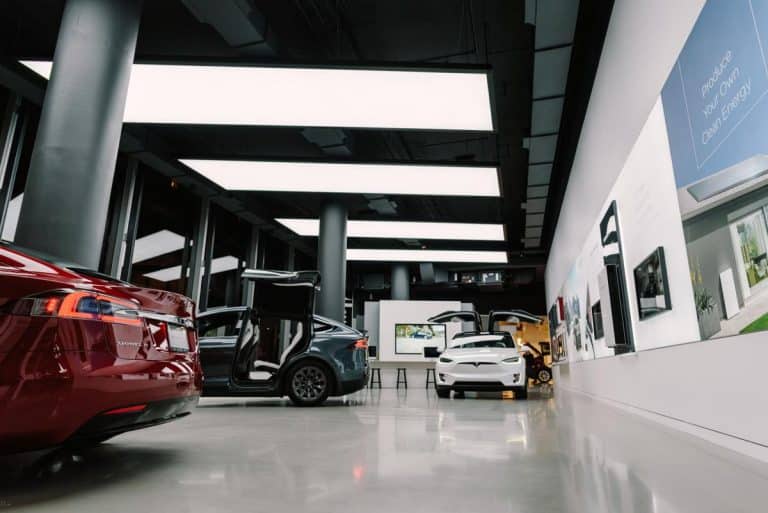
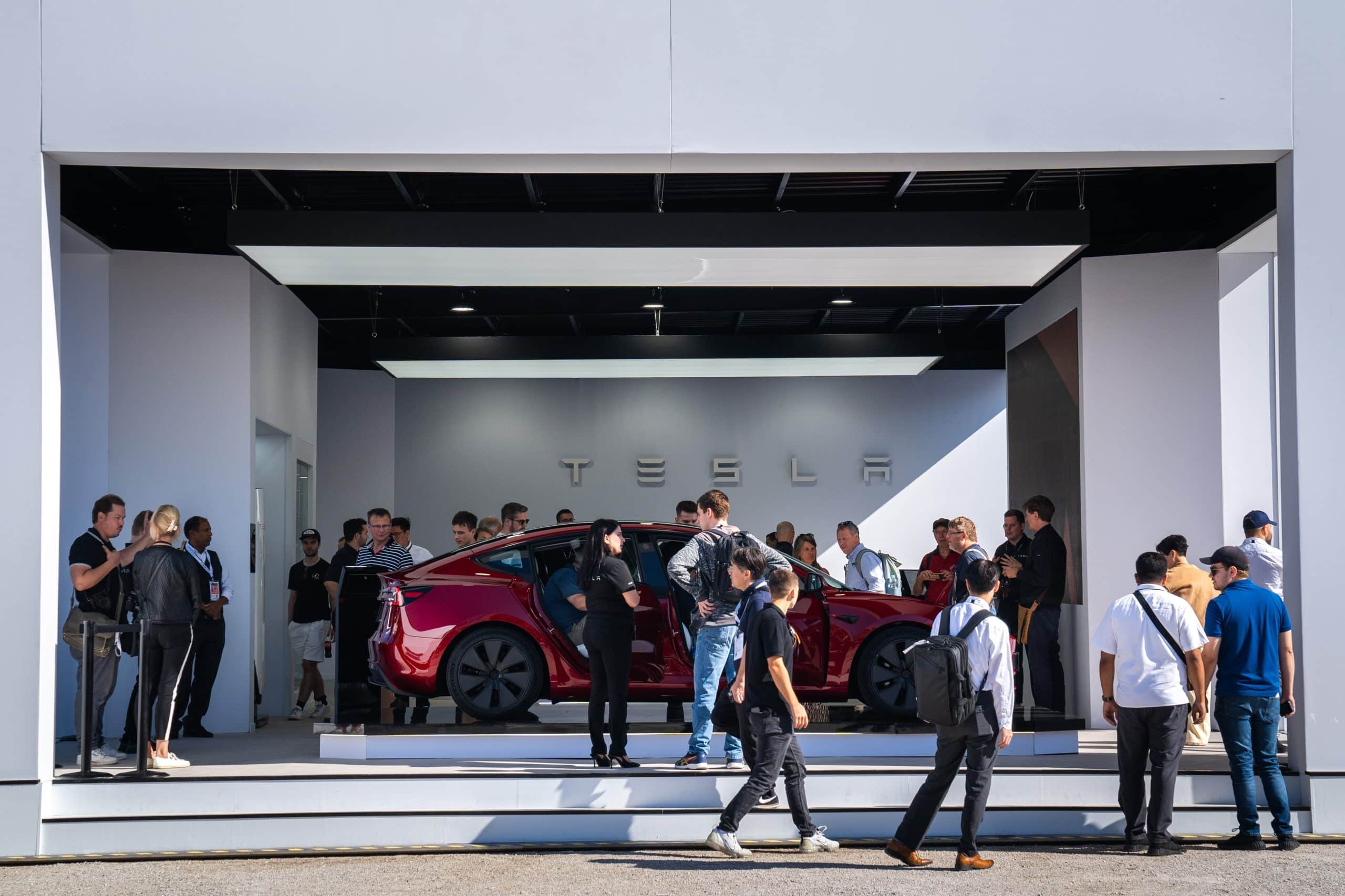
For over a decade, Senator Patricia Fahy stood as a staunch advocate for Tesla, advocating for the electric vehicle manufacturer’s right to sell directly to consumers, bypassing traditional franchise dealer laws. This support was instrumental in allowing Tesla to establish five sales locations in New York without adhering to the franchise model.
However, recent developments reveal a stark change in her stance. Fahy’s new position seeks to revoke the legislative waiver that facilitated Tesla’s unique operational model. This shift is notably influenced by Tesla CEO Elon Musk’s political alliances, specifically his involvement with the Trump administration, viewed by many—including Fahy—as counterproductive to environmental advancements.
Fahy’s Legislative Proposal: Redistribution of Licenses
Fahy’s proposed legislation aims to dissolve the direct sales licenses currently held by Tesla by 2026. Her rationale is rooted in the belief that the waiver grants Tesla an undue advantage over other electric vehicle manufacturers. Therefore, she suggests redistributing these licenses to companies like Rivian, Lucid, and Scout Motors, which also employ direct-to-consumer sales models.
Key Objectives of the Legislation:
- Leveling the Playing Field: Ensuring fair competition among EV makers by distributing sales licenses.
- Promoting Environmental Progress: Encouraging automakers aligned with sustainable, eco-friendly practices.
- Market Balance: Preventing monopoly practices and diversifying the consumer options in the EV market.
The Opposition: Political and Practical Concerns
Not everyone agrees with Fahy’s approach. Republican Senator Jacob Ashby views the legislative move as misguided, arguing that it involves unnecessary government intervention in free market operations. He insists that the market should determine winners and losers rather than political influence.
Similarly, Peter Crummey, the Colonie town supervisor, advises allowing existing planning mechanisms to manage Tesla’s operations without legislative overreach. Both Ashby and Crummey underscore the importance of relying on established processes to ensure fair business practices.
Broader Implications: Elon Musk’s Political Influence
Elon Musk’s political activities have undeniably impacted Tesla’s market standing. His engagement with partisan politics, particularly through associations with controversial figures or administrations, often becomes interwoven with Tesla’s corporate narrative, influencing public and political perceptions alike.
Key Discussion Points:
- Tesla’s Strategic Challenges: Navigating the intersection of corporate objectives and political affiliations.
- Impact on Consumer Perception: Understanding how corporate leadership affects brand loyalty and market trust.
- Regulatory Environment: Adapting to a rapidly changing legislative landscape and its implications for business strategy.
The Future of Direct Sales in New York and Beyond
The outcome of this legislative battle in New York may set a precedent that could influence how other states handle direct sales models for electric vehicles. As the tension between traditional dealership franchises and direct sales models intensifies, it is essential to closely monitor legislative trends and corporate strategies.
Patricia Fahy’s legislative initiatives mark a transformative moment in New York’s automotive market, challenging Tesla’s current business model and setting the stage for potential changes nationwide. As this situation evolves, stakeholders must weigh the benefits of competitive fairness against the risks of increased governmental intervention in free markets.
By understanding these dynamics, we can better anticipate the directions of automotive innovation and policy reform in the coming years.