Navigating New Tariff Hurdles: Tesla’s Strategic Response to Trump’s 25% Import Duties
Key Takeaways
- Trump has announced 25% tariffs on non-U.S.-made cars, affecting Tesla’s supply chain.
- Elon Musk did not comment on the tariffs, leading to speculation about his stance or potential conflicts.
- Trump suggested that the tariffs might be beneficial for companies with U.S. manufacturing plants, like Tesla’s in Texas and California.
- Tesla warned about the difficulties of sourcing certain parts domestically, despite efforts toward localization.
- Tariffs impact Tesla’s foreign suppliers, including those in India, amid rising competition from other electric vehicle makers.
- Shares of Tesla and other auto companies saw a slight dip following the tariff announcement.
The world of electric vehicles is once again in the spotlight as Tesla faces a significant new challenge. President Donald Trump has announced a 25% tariff on all non-U.S.-made cars, a move that could notably affect Tesla’s operational dynamics. This blog post delves into the ramifications of this decision for Tesla, the potential strategic responses, and the broader implications for the electric vehicle market.
Tariffs and Tesla: What Does It Mean?
The announcement of tariffs on non-U.S.-made cars is a significant policy shift aimed at boosting domestic manufacturing. Here’s a breakdown of the key points:
- Scope and Implementation: The 25% tariffs are set to commence on April 2 for imported cars and extend to auto parts by May 3. This timeline presents a ticking clock for automotive companies relying on international suppliers.
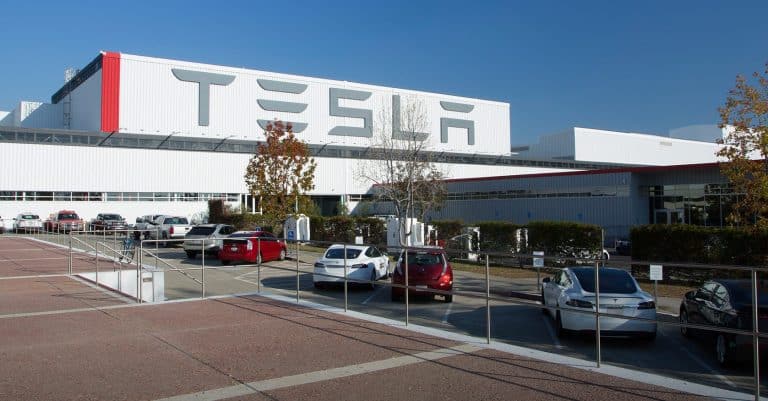
- Trump’s Perspective: President Trump posits that these tariffs might be either neutral or beneficial for firms like Tesla, which have production facilities in Austin, Texas, and Fremont, California. According to Trump, companies with a strong U.S. manufacturing base could potentially see positive effects.
Silence Is Not Always Golden: Musk’s Mute Response
Elon Musk’s lack of commentary on the new tariff announcement is stirring discussions. There are various potential reasons for his silence:
- Strategic Restraint: Musk may be withholding public comments as a strategic choice, avoiding political entanglements or conflicts of interest.
- Behind-the-Scenes Planning: It is possible that Tesla is fine-tuning its strategy internally before making any public declarations.
Sourcing Challenges: A Double-Edged Sword
While Trump suggests potential benefits for domestic production, Tesla has flagged several challenges:
- Difficulty in Localization: Tesla has expressed concerns about sourcing specific components domestically, even with ‘aggressive localization’ efforts.
- Global Supply Dependencies: Key manufacturing elements such as headlamps, brakes, and circuit boards are often sourced from Mexico, Canada, or China, highlighting the interconnected nature of EV production.
Impact on Tesla’s Global Strategy
The tariffs not only impact Tesla’s immediate supply chain but also its global competitive strategy:
- Foreign Supplier Reliance: Countries like India, where Tesla sources some components, may face trade disruptions, compelling Tesla to reassess its supplier strategies.
- Competitive Dynamics: As more electric vehicle brands enter the market, Tesla must navigate this tariff environment carefully to maintain its competitive edge.
Financial Market Reactions
Financial markets reacted promptly to the tariff news:
- Stock Market Volatility: Shares of Tesla, along with other automakers like General Motors and Ford, experienced a slight dip, reflecting investor apprehensions.
Tesla’s Possible Strategic Paths Forward
Considering these challenges, Tesla has several potential strategic paths:
- Enhancement of U.S. Manufacturing Capabilities: Expanding or speeding up investments in U.S. manufacturing may mitigate tariff impacts.
- International Partnership Reevaluation: A reexamination and potential restructuring of international supplier partnerships to buffer against tariff pressures.
- Innovation and Localization: Intensifying efforts in innovative production and domestic sourcing to circumvent external dependencies.
The introduction of 25% tariffs on non-U.S.-made cars marks a pivotal moment for Tesla and the broader auto industry. As Tesla strategizes its response, detailed observation of its supply chain adjustments, financial strategies, and market maneuvers will be crucial to understanding its future trajectory in a rapidly evolving automotive landscape.