Elon Musk’s 2018 Tweet: A Landmark Freedom of Speech Case in Corporate America
- 📜 The U.S. Circuit Court ruled Musk’s 2018 tweet is protected by freedom of speech.
- 🐦 Musk’s tweet suggested workers might lose stock options if unionized.
- ⚖️ The ruling raises concerns about the NLRB’s ability to limit employer speech.
- 🏢 Musk invited UAW for a union vote, but no vote has occurred yet.
- 🚫 Appeals court allowed Tesla to ban union shirts on production lines.
The recent ruling by the U.S. Circuit Court regarding Elon Musk’s 2018 tweet marks a pivotal moment in the interplay between corporate speech and regulatory oversight. As debates around unionization intensify in the tech and automotive industries, understanding the implications of this decision is essential for stakeholders on all sides.
The Court’s Decision on Musk’s Tweet
In 2018, Elon Musk, the CEO of Tesla, made waves with a tweet suggesting that Tesla employees might lose their stock options if they chose to unionize. This statement quickly captured the attention of the National Labor Relations Board (NLRB), which viewed it as a potential threat and requested its deletion. However, a recent U.S. Circuit Court ruling determined that Musk’s tweet falls under constitutionally protected speech, as per the First Amendment, and does not require deletion.
Analyzing the Impact of the Tweet
- Freedom of Speech in the Corporate Sphere:
- This ruling underscores the delicate balance between protecting freedom of speech and regulating potential coercive communication in employer-employee relationships. While the First Amendment provides robust protections, its application in corporate settings continues to spark discussions on what constitutes permissible speech.
- Implications for Unionization:
- Musk’s open opposition to unionization within Tesla sets a precedent in the corporate world, particularly in industries with historically strong union presence. The message conveyed by the tweet—albeit indirect—raises questions about employer influence in employee decision-making regarding unionization.
- NLRB’s Regulatory Challenges:
- The ruling also raises broader concerns about the National Labor Relations Board’s jurisdiction over employer speech. The NLRB’s mandate to protect employees’ rights to organize and bargain collectively faces potential re-evaluation in light of such legal outcomes.
Broader Implications
Corporate Influence on Unionization
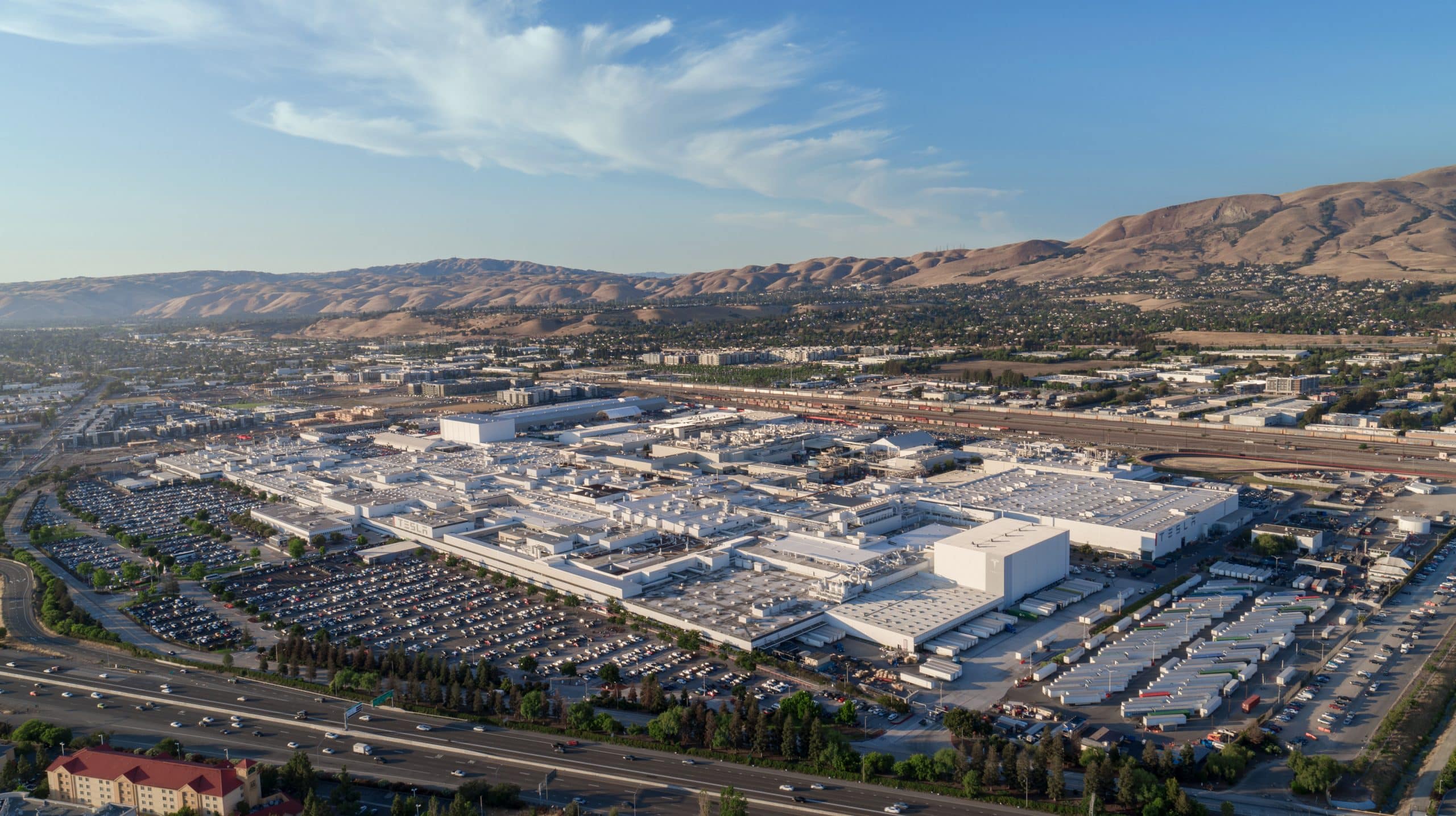
Elon Musk, by inviting the United Auto Workers (UAW) to conduct a union vote at Tesla’s Fremont factory, positions himself as both a challenger and a provocateur in the ongoing dialogue around unionization. Despite this invitation, the lack of vote underscores the complexities unions face when organizing in non-union-friendly environments.
Legal Precedents and Future Regulatory Actions
The Tesla case may prove influential in shaping future legal and regulatory frameworks. Employers, employees, and regulatory bodies alike will likely follow this development closely to understand its implications on employer speech and union relations.
Industry-Wide Reflections
As technology and automotive sectors continue to evolve, the discussion around unionization becomes increasingly relevant. Leaders like Musk not only influence their own organizations but also set technological and cultural benchmarks that others may follow. In this context, corporate communication—whether through formal channels or social media—becomes a crucial factor in shaping employer-worker dynamics.
Conclusion
The court’s decision on Elon Musk’s tweet is a landmark ruling that could reshape the boundaries of corporate discourse and regulatory oversight. As industries navigate the complex terrains of communication, labor rights, and unionization, continued dialogue and clarity in legal definitions will be vital. Stakeholders across the board must prepare for a future where freedom of expression and organizational rights coexist in an increasingly interconnected environment.