 Gary Zhou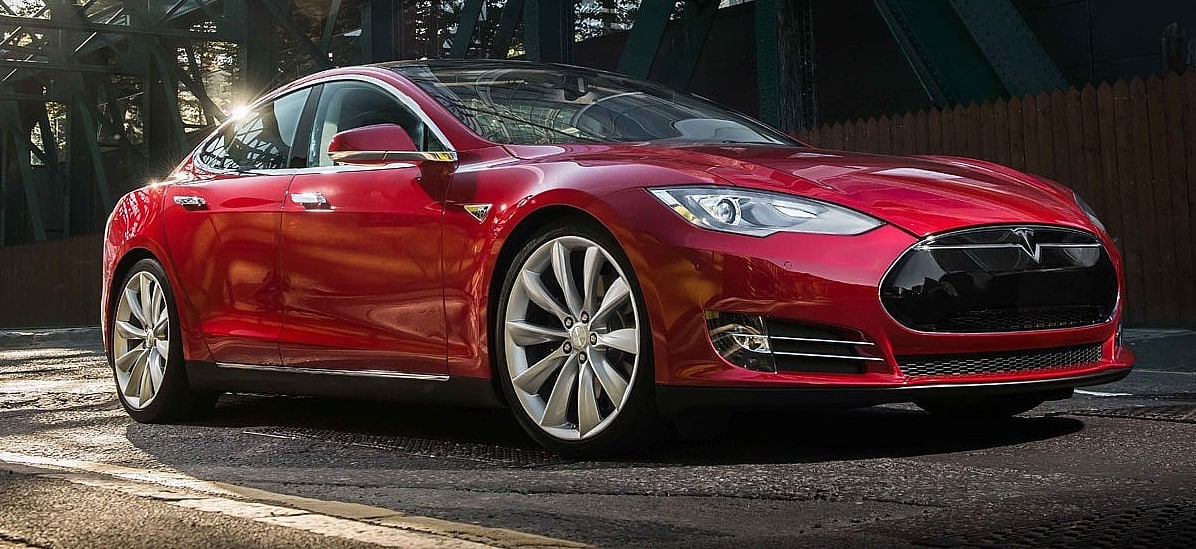
Key Takeaways
- Doug DeMuro declares the 2012 Tesla Model S as the undisputed most important car of the last 30 years, changing the auto industry’s trajectory.
- DeMuro argues the future of cars is electric, with the Model S being the first to deliver it convincingly despite current EV challenges.
- Unlike earlier EVs like Nissan Leaf and Chevy Volt, which proved possibility but not mainstream appeal, Model S made EVs cool, fast, luxurious, and enthusiast-friendly without compromises.
- Model S marked a cultural shift, turning Tesla into a tech icon beyond cars with Superchargers and home energy products.
- DeMuro emphasizes it’s not about being first (Leaf/Volt scored first), but bringing tech mainstream—Model S won the game.
- Most surprising: Model S proved a new American automaker could succeed against massive infrastructure and capital barriers, creating a cultural icon.
In a bombshell video dropped just days ago, renowned automotive YouTuber Doug DeMuro crowned the 2012 Tesla Model S as the undisputed #1 most important car of the last 30 years. ❶ ❷ “Unquestionably in my mind… it’s not even a question,” DeMuro declared, emphasizing how this electric sedan didn’t just arrive—it reshaped the entire auto industry. ❸ As a car enthusiast who’s followed EVs since the early days, I couldn’t agree more. In this deep dive, we’ll unpack DeMuro’s bold claim, compare the Model S to its predecessors, explore its seismic industry impact, and look at why it still matters in 2026.
Doug DeMuro’s Epic Ranking: Model S Takes the Crown
DeMuro’s latest YouTube hit, Ranking the Most Important Cars of the Last 30 Years, ranks seven vehicles that truly moved the needle since the mid-1990s. ❷ Coming in at #5 was the original Porsche Cayenne, hailed as the “first purist brand SUV” that proved luxury marques could conquer the SUV boom. ❹ But none topped the Model S. DeMuro argues it transcended being a car; it was a cultural earthquake.
Why? Here’s DeMuro’s breakdown in his own words:
- Trajectory changer: The Model S “did more to change the trajectory of the auto industry than any other vehicle.” ❶
- Electrification pioneer: Despite recent EV headwinds, “the future is electric… and it was the Model S that was the very first car that did that truthfully.” ❶
- Mainstream magic: It’s not about being first—it’s about winning. More on that below.
Elon Musk himself retweeted a clip, amplifying the buzz across Tesla communities. ❺
Head-to-Head: Model S vs. Nissan Leaf and Chevy Volt—Why Tesla Won the Game
DeMuro draws a sharp line: The 2010 Nissan Leaf and 2011 Chevy Volt “made a huge splash and taught us that it was possible,” but they didn’t shift perceptions. ❶ The Model S did, proving EVs could be cool, fast, luxurious, and enthusiast-grade without soul-crushing compromises.
Let’s compare specs from their launch eras:
| Feature | Tesla Model S (2012) | Nissan Leaf (2010) | Chevy Volt (2011) |
|---|---|---|---|
| EPA Range (Electric Only) | 208-265 miles | 73 miles | 35-38 miles (PHEV) |
| 0-60 mph | 5.9 seconds | 11.5 seconds | 8.8 seconds |
| Base Price | ~$70,000 | ~$28,000 | ~$41,000 |
| Powertrain | Pure EV, RWD/AWD | Pure EV | PHEV (Gas Backup) |
| Top Speed | 130 mph | 90 mph | 111 mph |
The Model S wasn’t just better on paper—it outsold both combined in Q1 2013 alone, hitting a milestone that screamed “EVs are here to stay.” ❼ Leaf and Volt owners loved the tech novelty, but range anxiety and ho-hum styling kept them niche. Model S? It was a sports sedan with supercar acceleration, falcon-wing doors optional, and Ludicrous Mode later on. No wonder it felt aspirational. ❻
My take: Volt was genius engineering (gas extender), Leaf affordable entry-level. But Model S was the iPhone to their flip phones—sexy, shareable, scalable.
The Model S Cultural Tsunami: From Cars to Tech Empire
DeMuro calls it a “cultural turning point.” Tesla morphed from upstart EV maker to tech titan:
- Supercharger Network: Revolutionized road trips, now with 50,000+ stalls globally.
- Energy Ecosystem: Powerwalls, Solar Roof—Model S owners got first dibs.
- Brand Halo: Tesla = innovation, not just cars. Cybertruck? Robotaxi dreams? All trace to S.
This proved a new American automaker could thrive. Pre-Tesla, consensus was “impossible” due to $billions in infrastructure. Model S delivered profitability by 2013, scaling to millions of EVs sold. ❶
Industry Ripple Effects: How Model S Forced the EV Revolution
Fast-forward to 2026: EVs are 20%+ of sales, thanks to Model S kickstarting adoption.
- Perception Shift: From “compliance cars” to desirable. Legacy makers (GM, Ford) chased with Ultium, F-150 Lightning. ❽ ❾
- Benchmark Status: Rivian R1S, Lucid Air— all measure against S’s range, performance. ❿
- Sales Proof: Best-selling plug-in by 2015, pressuring giants. ⓫
- Global Waves: Europe/China EV booms cite Tesla’s playbook.
Despite “headwinds” (tariffs, battery costs), DeMuro’s right: Electrification is inevitable—10, 20, or 30 years out. ❶
Pro Tip for Buyers: Hunting a used 2012-2016 Model S? Expect 200k+ miles reliability if battery’s healthy. Check for free Supercharging transfers—game-changer.
Why It Still Matters in 2026: Lessons for the EV Future
Model S Plaid hits 1.99s 0-60 today, but the original’s legacy endures. It taught:
- Design for Desire: Minimalist cabin, OTA updates—now industry standard.
- Vertical Integration: Gigafactories slashed costs 90%.
- Direct Sales: Ditched dealers, owned the experience.
Challenges ahead? Chinese competition, autonomy hurdles. But Model S showed disruptors win.
Final Verdict: DeMuro’s Spot-On—Model S Changed Everything
Doug DeMuro didn’t just rank cars; he chronicled history. The 2012 Tesla Model S isn’t perfect (early build quirks), but it’s the vehicle that made electric the future. If you’re doubting EVs, watch his video—then test drive a refreshed S. Your worldview will shift.
What’s your pick for most important car? Drop thoughts below!