 Gary Zhou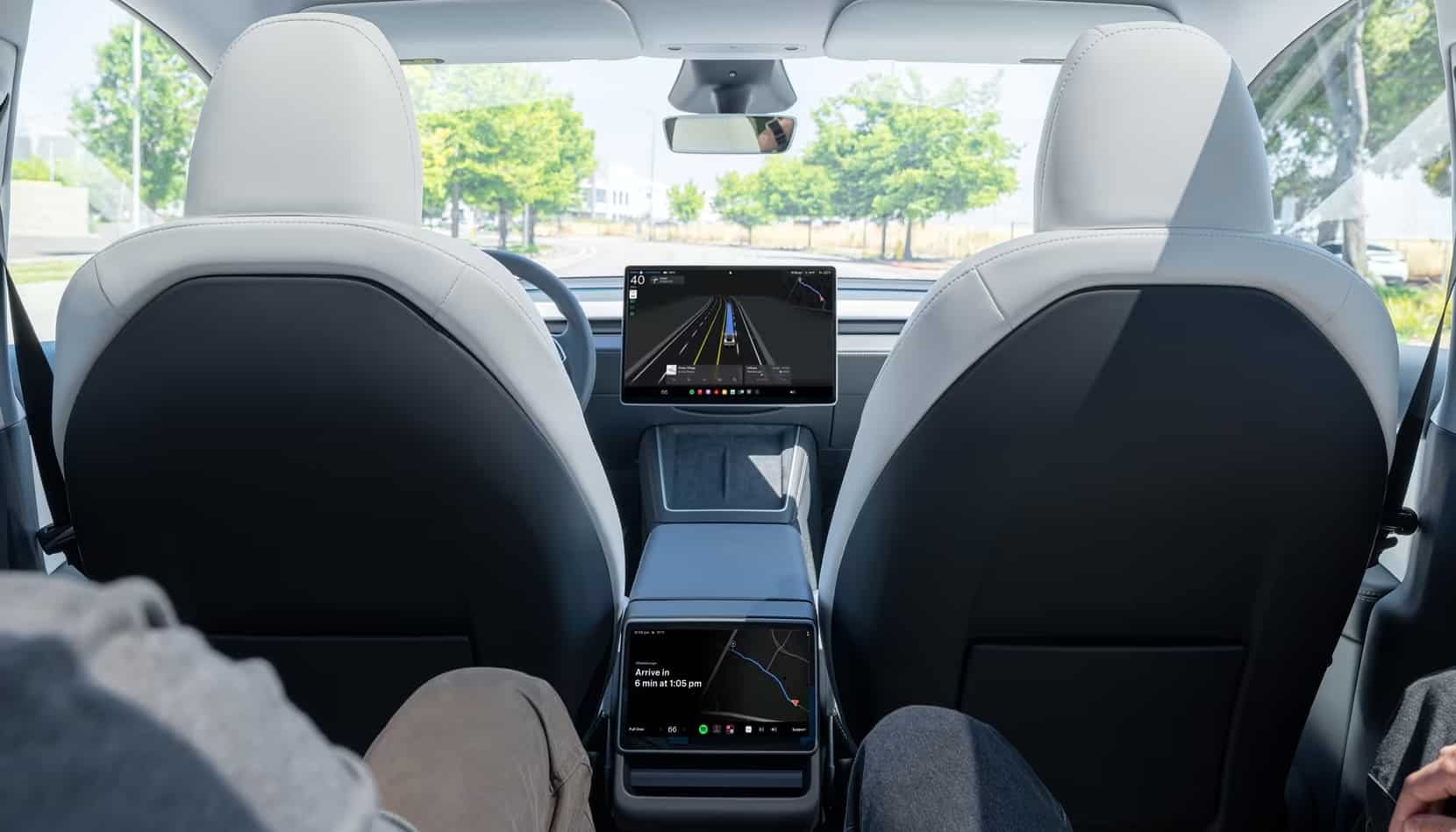
Key Takeaways
- Tesla’s Robotaxi service is expanding, currently operating in Austin and the Bay Area.
- Safety monitors are placed in the driver’s seat for highway driving, a move towards regulatory compliance.
- The design includes monitors that report vehicle behaviors in real-time, enhancing safety oversight.
- Tesla is cautious with its autonomous technology rollout due to public scrutiny and regulatory concerns.
- Community members like Whole Mars Catalog speculate on changes, prompting official responses from Tesla.
Tesla has been at the forefront of redefining the future of transportation with its groundbreaking autonomous vehicle technology. Among its latest innovations is the expanding Robotaxi service, now operational in key U.S. locations like Austin and the Bay Area. The deployment of this technology marks a significant milestone in the journey towards fully autonomous ride-hailing services. However, with any groundbreaking technology, there are myriad considerations involving safety, regulations, and the interplay with the community. In this blog post, we’ll delve into the necessary details and analyses to understand the current landscape of Tesla’s Robotaxi service.
Expansion of Tesla’s Robotaxi Service
Current Deployment Locations
Tesla’s Robotaxi has started rolling out in select cities with plans for broader deployment as the service matures. Austin, Texas, and the Bay Area are currently pivotal regions where Tesla is testing and honing its autonomous capabilities. With vibrant populations and varied transportation needs, these regions provide Tesla with essential data to refine their service further.
Safety Enhancements in Tesla’s Design
The Role of Safety Monitors
Tesla’s commitment to safety is evident in its innovative design that includes safety monitors in the driver’s seat for highway trips. This move aims to balance regulatory compliance and safety innovation:
- Real-Time Data Reporting: The safety monitors play a crucial role by reporting vehicle behavior in real-time. This data allows for immediate adjustments and long-term improvements in the autonomous systems.
- Highway Driving Precaution: By positioning safety monitors in the driver’s seat during highway travel, Tesla ensures that the transition to highway autonomy is measured and compliant with evolving safety standards.
Navigating Regulatory Challenges
Regulatory Overview
One of the critical aspects Tesla must navigate is the intricate web of regulations surrounding autonomous vehicles. For instance, Texas has recently updated its regulations impacting autonomous technology:
- New Regulatory Framework: These regulations perhaps necessitated Tesla’s decision to reposition safety monitors to the driver’s seat for certain trips.
- Compliance Importance: Maintaining stringent compliance not only ensures legal operation but also builds public trust amidst the scrutiny faced by autonomous vehicles.
Community Engagement and Speculation
The Role of Community Feedback
Tesla’s relationship with its enthusiast community offers real-time feedback and validation:
- Community Insight: Active participants, such as Whole Mars Catalog, play a significant role in sparking discussions, leading to official responses from Tesla.
- Public Discourse: Such interactions highlight the dynamic between Tesla’s operational strategies and public perception, fostering greater transparency and understanding.
Tesla’s Robotaxi service signifies a leap forward in autonomous transportation, blending cutting-edge technology with rigorous safety and regulatory practices. As this service continues to expand, it will play a pivotal role in shaping the future of automated mobility. By maintaining substantive safety protocols and engaging with both the regulatory environment and community feedback, Tesla navigates this landscape with a level of caution suited to its innovative aspirations.