 Gary Zhou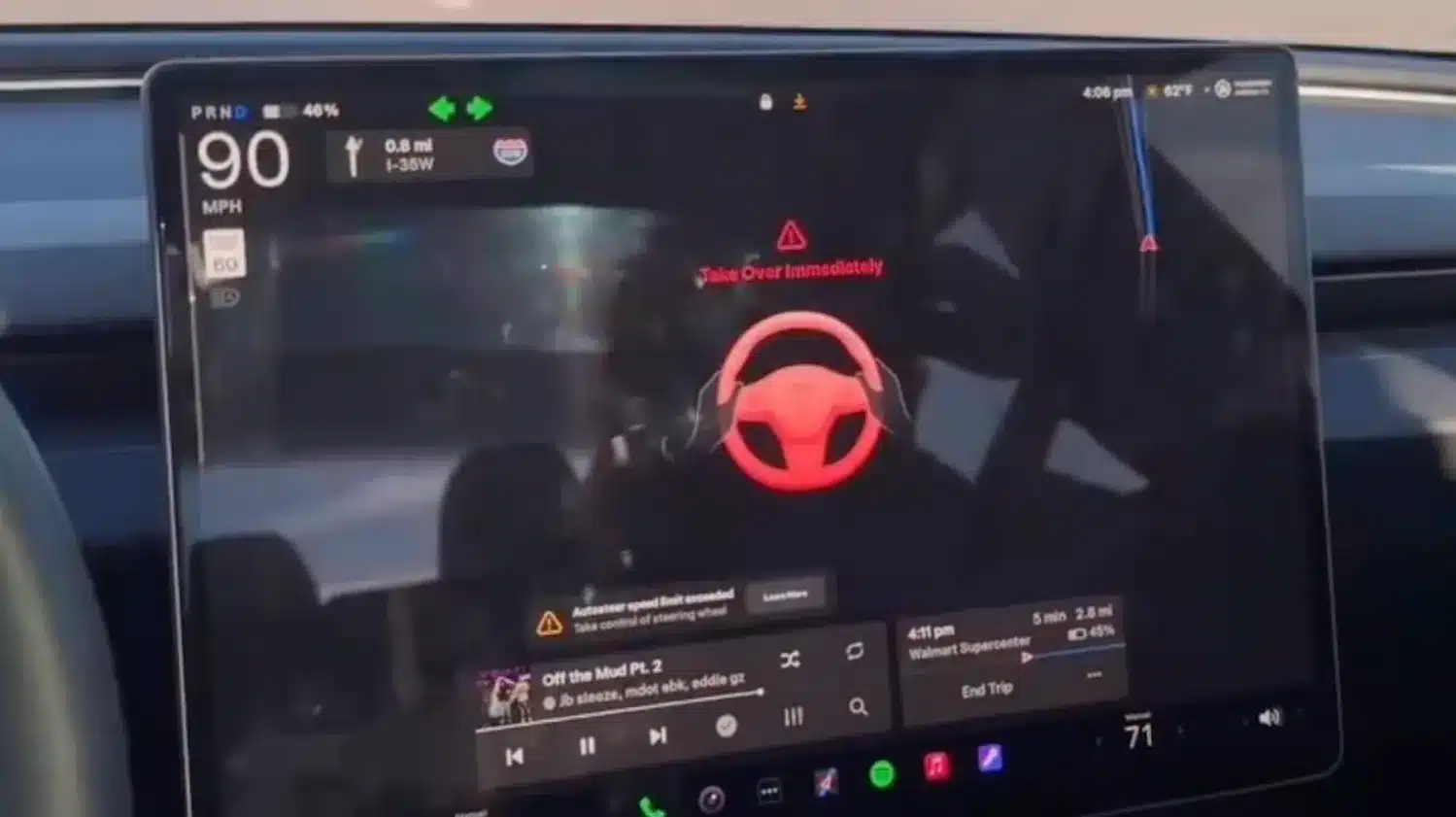
Key Takeaways
- Tesla’s Full Self-Driving v14 update disappoints with a decrease in critical disengagement miles, averaging around 732 miles.
- The system is experiencing issues with hallucinations, where it incorrectly stops on the roadside, interpreting harmless signals as emergencies.
- Brake stabbing has increased, as the vehicle hesitates, abruptly applying and releasing brakes in a jerky motion.
- The return of ‘Mad Max’ mode allows driving well above speed limits, posing safety concerns.
- Significant improvements are expected in future updates, but unsupervised driving by the end of the year appears unlikely.
In recent years, Tesla has been at the forefront of autonomous driving technology, promising consumers an innovative, fully autonomous driving experience. However, the latest update, Full Self-Driving (FSD) v14, has been met with a mixture of excitement and concern. The introduction of new issues and features has sparked a broad conversation about the future of FSD. In this blog post, we explore the challenges and potential of Tesla’s FSD v14 update.
The Disappointment of Diminished Performance
- Critical Disengagements: With the rollout of Tesla’s FSD v14, users expected a significant leap in performance. However, the data reveals a decrease in miles between critical disengagements, averaging around 732 miles. This is a step back from the projected improvements anticipated by Tesla enthusiasts and industry experts. Miles between disengagements are crucial, as they measure how often a driver must intervene in the autonomous system—a key metric for assessing the reliability of self-driving technology.
- System Hallucinations: A particularly concerning issue with the v14 update is the phenomenon of hallucinations, where the system erroneously halts thinking it’s encountering an emergency. These false positives, like confusing turn signals with emergency lights, not only undermine user confidence but also disrupt the seamless driving experience promised by Tesla.
- Brake Stabbing: Another significant safety concern is the increase in what users describe as “brake stabbing.” This involves the car hesitating, applying, and releasing the brakes abruptly. This jerky motion can be alarming for passengers and fellow road users and poses safety risks, especially in high-traffic situations.
Reintroducing ‘Mad Max’ Mode
One of the more controversial features in the FSD v14 update is the return of ‘Mad Max’ mode, which allows driving over speed limits. While some users enjoy the thrill, it poses clear safety risks—particularly given the autonomous system’s current limitations. Speeding in the context of unproven autonomous systems could invite regulatory scrutiny and potential safety hazards.
Looking Ahead: Is Unsupervised Driving a Reality?
Tesla CEO Elon Musk has been vocal about the aspiration for unsupervised driving capabilities within consumer vehicles by year’s end. However, given the current challenges with v14, such a milestone seems increasingly improbable in the short term. Instead, Tesla appears focused on refining these systems through incremental v14 updates, as significant leaps toward unsupervised autonomy remain on the horizon.
What the Future Holds
- Anticipated Improvements: Future updates are expected to address the current shortcomings of FSD v14. Users and analysts hope for an improvement in disengagement metrics, coupled with enhanced AI accuracy to reduce hallucinations and brake misbehavior.
- Safety Concerns and ‘Mad Max’: Addressing safety concerns related to ‘Mad Max’ mode will be essential. Tesla may need to consider revisions or restrictions until it can ensure the system’s reliability.
- Comparing Versions: As we anticipate future updates, it remains important to compare current and predecessor versions to chart progress and address any recurring issues. Each update should ideally bring Tesla closer to a true largely-unsupervised experience.
The Road Ahead for Tesla
Tesla’s FSD v14 underscores both the potential and challenges of pioneering autonomous driving technology. While this update has been disappointing in some respects, the constructive feedback from users provides a roadmap for potential enhancements. As Tesla continues to innovate, the balance between excitement and caution will be crucial in shaping expectations and realities of autonomous driving.