 Gary Zhou
Key Takeaways
- US quietly smuggled ~6,000 Starlink terminals into Iran after January unrest and internet shutdowns.
- First known direct Washington supply; nearly 7,000 purchased, funded by reallocating from other initiatives.
- President Trump aware of effort and discussed Starlink access with Elon Musk during protests.
- Possession illegal in Iran with prison risks, yet tens of thousands use it; authorities inspect homes/rooftops.
- Tehran accuses US of fueling dissent; White House silent on authorization.
- Internal US debate: Starlink shift from VPNs risks broader access; VPNs aided 30M in 2022, some in June 2025 blackout.
- Critics warn Starlink exposes users to geolocation without VPN protection; support lapsed for some providers.
- State Dept affirms backing multiple tools like VPNs alongside Starlink.
As a tech policy analyst and blogger with over a decade tracking the intersection of satellite internet, censorship battles, and U.S. foreign policy in repressive regimes, I’ve seen technology emerge as the ultimate equalizer in fights for freedom. The latest revelation from The Wall Street Journal—that the Trump administration covertly smuggled around 6,000 Starlink terminals into Iran following a savage crackdown on protests—is nothing short of a geopolitical thriller. ❶ ❷ This isn’t just about beaming internet from space; it’s a calculated strike against Tehran’s iron-fisted control over information, echoing Cold War-era radio broadcasts but with Elon Musk’s satellites as the delivery system. In this deep dive, we’ll unpack the protests’ roots, the smuggling op’s mechanics, internal U.S. debates, and why this could reshape global digital resistance.
The Powder Keg: Iran’s Economic Collapse Ignites Nationwide Fury
Iran’s protests didn’t erupt in a vacuum—they were fueled by a perfect storm of economic despair that had been brewing for years. On December 28, 2025, shopkeepers in Tehran’s iconic Grand Bazaar shuttered their stalls in strike, protesting a catastrophic collapse of the Iranian rial, which plummeted to historic lows of about 1.4 million rials per U.S. dollar. ❸ ❹ Hyperinflation exceeding 50%, soaring food prices, water and energy shortages, and rampant unemployment turned bread-and-butter frustrations into chants for regime change across 675 locations in all 31 provinces. ❺
What started as economic gripes quickly morphed into a broader revolt against the Islamic Republic’s theocratic stranglehold. Protesters decried decades of mismanagement, corruption, international sanctions, and repression—exacerbated by the aftermath of the June 2025 “12-Day War” with Israel and the U.S., which wiped out 40% more of the rial’s value. ❻ By early January 2026, over 400 cities were ablaze with demands for Supreme Leader Ali Khamenei’s ouster and even calls for Reza Pahlavi, the exiled son of the last Shah, to lead a transitional government. ❺
Key Triggers of the 2025-2026 Protests:
- Currency Crash: Rial lost 90% value since 2018 U.S. sanctions reimposition. ❻
- Inflation and Shortages: 60% price hikes on basics since mid-December 2025; mass unemployment. ❼
- Post-War Fallout: June 2025 conflict accelerated economic freefall. ❽
- Repression Fatigue: Echoes of 2022 “Woman, Life, Freedom” protests after Mahsa Amini’s death.
In my view, this isn’t mere opportunism—it’s a Gen Z-led uprising against a regime that’s prioritized “axis of resistance” proxies like Hezbollah over its own people, diverting funds amid a looming succession crisis for the aging Khamenei. ❾
The Regime’s Brutal Counter: Blackouts, Bloodshed, and Starlink Hunts
Tehran’s response was predictably ruthless. Authorities killed thousands—estimates exceed 2,000 by Human Rights Activists in Iran—while imposing a near-total internet shutdown on January 8, 2026, the third-longest globally. ❶ ❿
Cloudflare’s traffic data paints a stark picture: IPv6 address space plunged 98.5% from 48 million to 737,000 prefixes by 11:50 UTC, with overall traffic cratering 90% from major providers like IranCell and TCI, hitting zero by evening. ❽ Universities saw fleeting access on January 9, but the blackout persisted, costing businesses $2 million daily and the regime $37 million. ❼
Now, Iran’s hunting Starlink users: Rooftop raids in western Tehran, electronic jamming (worst in protest hotspots), and confiscations to block protest videos. ❿ Possession is “espionage,” punishable by years in prison—yet tens of thousands risk it, smuggled since 2022 by NGOs like NetFreedom Pioneers. ❶
Operation Starlink: Washington’s First Direct Smuggle
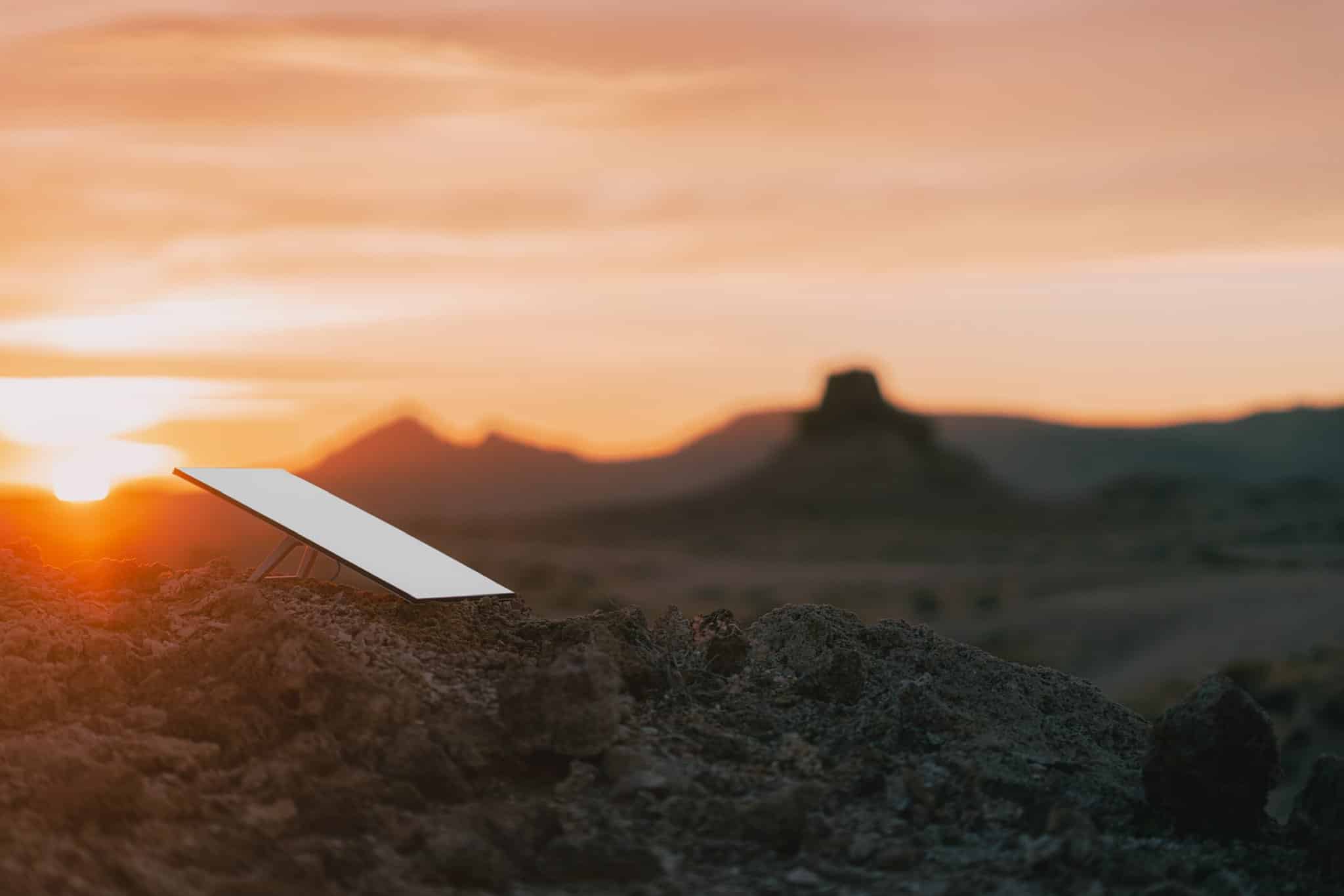
Enter the U.S.: In a historic first, the State Department bought nearly 7,000 terminals (most in January), smuggling ~6,000 post-crackdown by diverting funds from other initiatives. ❶ This bypassed Iran’s ground infrastructure entirely, letting dissidents share videos and organize.
Former State official Mora Namdar championed it in an August 2025 memo: “VPNs… are useless when the internet is shut down.” ❶ Trump was briefed; he and Musk discussed access in January (White House confirmed). Trump teased “help is on its way” publicly. ❶
Smuggling Stats:
- 6,000 delivered—first U.S. direct supply.
- Funded by reallocating VPN budgets.
- Aids 90 million Iranians against regime media monopoly.
VPNs vs. Starlink: The Internal U.S. Tech Debate
Not everyone cheered. Experts argued VPNs—used by 30 million in 2022 protests, 20% in June 2025 blackout—are cheaper, scalable, and anonymize users better. Psiphon, down to $5.9M funding from $18.5M, had 18.4M Iranian users but only 1,500 on Starlink during blackout. ❶
Pros/Cons Comparison:
| Tool | Pros | Cons |
|---|---|---|
| VPNs | Cheap, hides location, mass adoption (30M users) | Useless in full blackouts ❶ |
| Starlink | Bypasses shutdowns entirely | Geolocates users sans VPN, expensive, jammed ❿ |
Two VPN providers lost funding; State insists on “multiple tools.” ❶ My take: Hybrid is key—Starlink for blackouts, VPNs for stealth.
High Stakes: Trump’s Role and Geopolitical Ripples
Trump’s awareness (authorization unclear) signals a hawkish pivot: Massing forces post-protests, resisting UN Starlink bans. ❿ Tehran accuses fomenting dissent; White House silent.
Insights & Advice for Digital Activists:
- Layer Tools: Starlink + VPN/Proxy for anonymity.
- Smuggling Tips: NGO partnerships, black market caution.
- Global Lesson: Satellites democratize info—watch for copycats in China, Russia.
This op bolsters U.S. soft power, but risks blowback if pro-regime actors snag terminals.
The Road Ahead: Will Starlink Topple Tyrants?
Iran’s regime survives—for now—but economic rot and digital defiance erode it. Starlink isn’t regime change, but it amplifies voices, potentially tipping scales like samizdat in the USSR.
Policy advice: Congress should boost “Internet Freedom” budgets $100M+, mandate hybrids. For Iranians: Stay hidden, share strategically.
This saga proves: In the satellite age, no firewall is absolute.