 Gary Zhou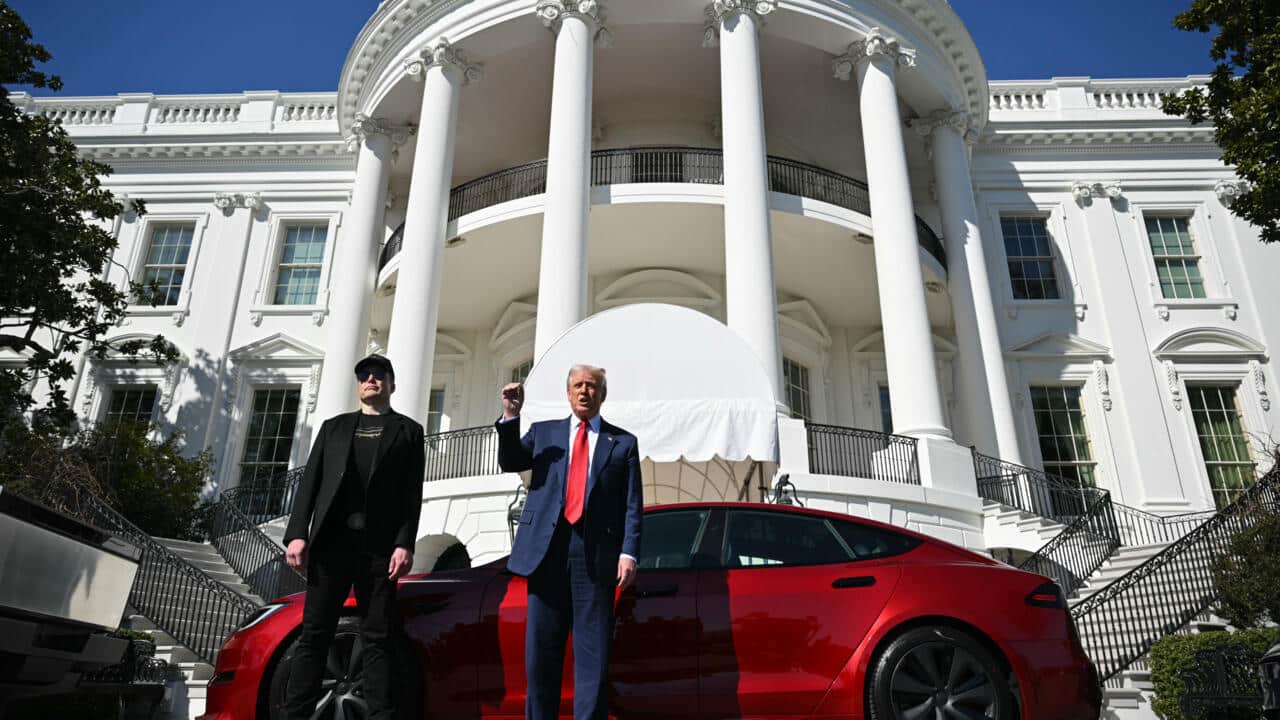
Key Takeaways
- Trump is looking to sell his red Tesla Model S, which he had publicized in a prior ad with Elon Musk.
- A previously friendly relationship between Trump and Musk has soured, leading to a public spat and Trump’s decision to part with the Tesla.
- Tesla’s sales have been struggling, partly due to Musk’s political activities and Trump’s anti-EV agenda, which drove customers away.
- The Tesla ad filmed at the White House, where Trump said “everything’s computer”, turned out to be ineffective in boosting sales.
- A White House official confirmed Trump’s intent to sell the Tesla and noted he would no longer engage with Musk.
The political and business landscapes are as intertwined as ever in the age of social media and endless news cycles. One of the most fascinating encounters in recent history is the brief yet impactful engagement between Donald Trump and Elon Musk. This blog post delves into the events, fallout, and broader implications of this alliance, with a particular focus on what it means for Tesla, the automotive industry, and political discourse.
The Beginning of the Alliance
Three months ago, the political and corporate worlds were taken by surprise when former President Donald Trump and Tesla CEO Elon Musk joined forces to promote Tesla on the White House lawn. The image was unusual. The advertisements were unconventional; after all, traditional advertising is not part of Tesla’s toolkit. During this peculiar event, the famously scripted trump quipped “everything’s computer,” a soundbite intended to capture attention but perhaps more effectively capturing the absurdity of the moment.
The collaboration initially appeared to benefit both parties: Musk gained the support of a formidable political figure who could potentially influence policy in favor of Tesla. In contrast, Trump received significant backing from Musk, who funneled funds into his political pursuits.
Why the Relationship Soured
The seemingly symbiotic relationship between Trump and Musk encountered turbulence, leading to a very public breakdown. The issues were manifold, and disagreements between two larger-than-life personalities played a significant role.
- Political Divergences: Tesla’s positioning as a leader in the electric vehicle (EV) market clashed with Trump’s consistent support for and enactment of policies that were not environmentally friendly or EV-supportive. Such anti-EV stances began to alienate Musk, whose company relies heavily on promoting sustainable energy solutions.
- Economic Pressures on Tesla: Tesla’s sales figures started showing signs of strain. Although various factors contribute to economic performances, Musk’s political endorsements and activities alienated a segment of Tesla’s customer base, contributing to declining consumer trust and stock market volatility.
- Personal Spat: The personal dynamic between the two escalated into a public spat. This feud did not just stay between the two but spilled over into a vital loss for Tesla in the stock market.
The Decision to Sell
What Prompted Trump to Sell His Tesla?
The decision for Trump to sell his Tesla Model S was not made in isolation. A convergence of events pushed the former President toward distancing himself from Musk and Tesla. Disillusionment from a fraying political alliance was coupled with the impracticality of holding onto a car he could not drive, given the restrictions on former presidents. The decision seemed aligned with the growing irrelevance of the partnership with Musk’s Tesla.
The Fallout for Tesla
Impact of Musk’s Political Involvement:
In today’s hyper-connected environment, Musk’s political alignments dictated consumer sentiment and reflected Tesla’s market performance. Political dissent can often manifest as economic decisions by consumers, and such was the case here. Countless Tesla owners and potential buyers began reassessing their relationships with the brand, directly affecting sales and stirring protest movements.
Trump and Musk’s tumble from allied giants promising mutual benefits to estranged figures highlights important lessons in the coexistence of politics and business. For industry leaders and politicians alike, exhibiting caution and understanding the broader impact of every endorsement or partnership is vital.