 Gary Zhou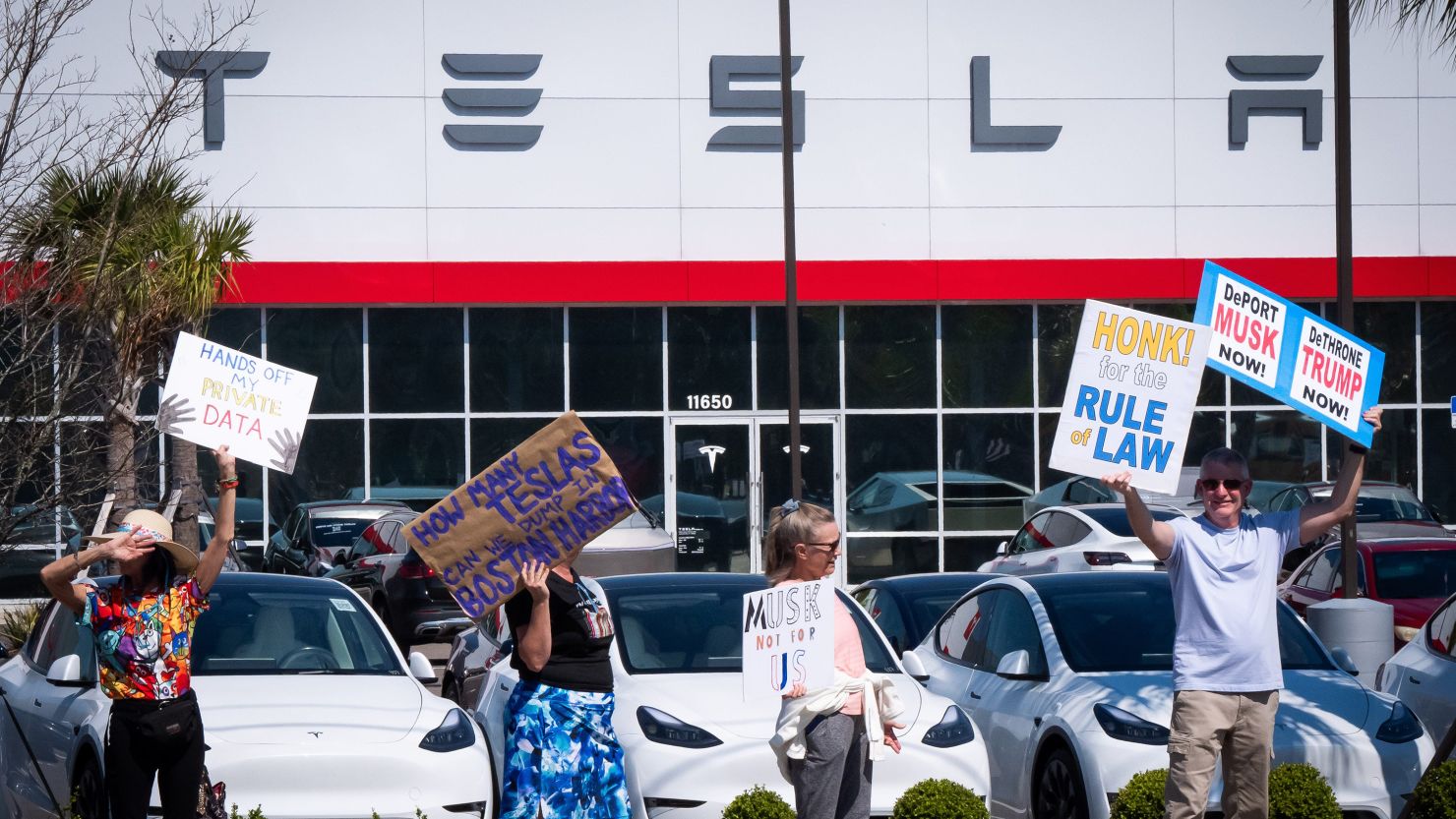
Key Takeaways
- Tesla owners in France are suing to terminate their leases over Elon Musk’s political associations, which they say harm their reputation.
- The lawsuit is presented by a group of 10 leaseholders who feel their vehicles have become “far-right totems.”
- Sales of Tesla cars in Europe have reportedly plummeted, causing existing owners to distance themselves from the brand.
- The law firm representing the owners stated that Tesla cars are now viewed as political symbols, contrary to the original intentions of buyers.
- The leaseholders seek not only to break their contracts but also to recover legal costs associated with the lawsuit.
In recent developments, a legal storm is brewing in France as a group of Tesla owners has taken a significant step to disassociate from the brand. Their lawsuit centers around Elon Musk’s political involvements, which they argue have irreparably damaged their vehicles’ brand image, transforming them from symbols of innovation to “far-right totems.” This blog post delves into the intricacies of this legal battle, exploring Tesla’s market dynamics in Europe and the potential ramifications for brand loyalty and corporate governance.
The Allegations: More Than Just a Lease Agreement
At the heart of this lawsuit is the allegation that Elon Musk’s public and political actions have led to a significant shift in perception of the Tesla brand, particularly in the European market. The plaintiffs, a group of 10 Tesla leaseholders, argue that their vehicles—once seen as pioneering eco-friendly technology—are now perceived as symbols aligned with far-right political ideologies.
- Political Turn: Elon Musk’s shift towards right-wing politics, underscored by his actions on various public platforms and support for divisive political figures, is the crux of their claim. This shift, they contend, has overshadowed the environmental and technological advancements that initially attracted them to the brand.
- Brand Image vs. Personal Beliefs: The lawsuit raises fundamental questions about the separation—or lack thereof—between a CEO’s personal beliefs and the public perception of the company they lead.
Impacts on Tesla’s Market Position
The ripple effects of this controversy are evident in the declining sales of Tesla vehicles across Europe. The brand, once at the forefront of the electric vehicle revolution, is now seeing its image tarnished in the eyes of its diverse customer base.
- Declining Sales: Tesla’s sales have reportedly plummeted in Europe, with existing owners actively distancing themselves from their vehicles. This trend highlights the sensitivity of brand perception and its immediate impact on sales figures.
- Resale Dilemma: Current Tesla owners face the challenge of a diminished resale value, exacerbated by the mass exodus of brand-loyal customers. This financial implication further fuels dissatisfaction among leaseholders.
- Alternative Branding: Some owners have gone so far as to remove Tesla logos from their vehicles, opting for alternative branding to visibly separate their personal image from that of the company’s leadership.
Legal Avenues and Leaseholder Demands
The lawsuit not only seeks to dissolve lease agreements but also aims to financially recover the legal costs incurred. Here’s a closer look at what’s being demanded:
- Lease Termination: The primary goal is to sever the contractual relationship with Tesla, freeing leaseholders from association with what they perceive to be a politically charged brand.
- Compensation for Legal Expenses: In pursuing legal action, the plaintiffs are also seeking restitution for the costs incurred, setting a potential precedent for similar cases if successful.
Broader Implications and Industry Ramifications
This legal battle serves as a case study in the risks of personal branding taking over corporate identity, especially in politically sensitive climates. It underscores the importance of maintaining a distinction between leadership actions and brand values in a globally interconnected marketplace.
- Consumer Loyalty: The evolving situation provides insights into shifts in consumer loyalty driven by ideological associations, prompting companies to reassess their governance strategies.
- Corporate Transparency: Brands may need to enhance transparency and clearly define their positions on contentious issues to mitigate potential backlash from stakeholders.
As this lawsuit unfolds, it serves as a vivid illustration of the complex relationship between corporate management, personal beliefs, and consumer perceptions. Businesses, especially those led by prominent figures, will need to navigate these waters carefully to preserve their brand integrity and market position.