 Gary Zhou
Key Takeaways
- Elon Musk announced plans to eliminate Safety Drivers from the Robotaxi fleet by the end of the year.
- Safety Drivers currently assist during city and highway rides in Austin and the Bay Area for extra safety.
- Musk emphasized the need to remove Safety Drivers to progress in Robotaxi development and eliminate reliance on them.
- Critics highlight concerns about safety but Tesla prioritizes rider safety to prevent setbacks in self-driving efforts.
- Tesla aims to operate Robotaxis for half of the U.S. population by year-end, marking significant growth in autonomous driving initiatives.
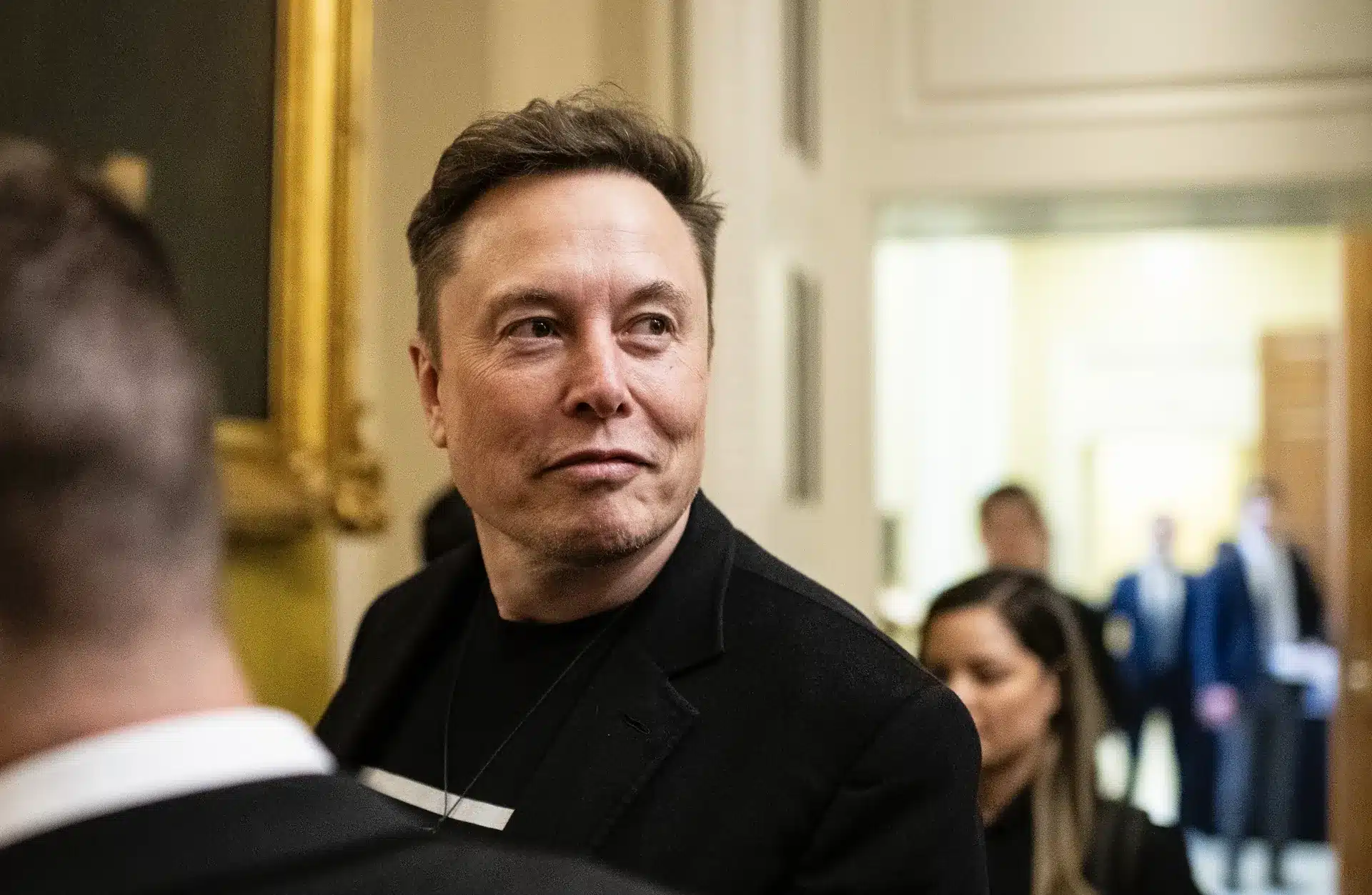
The realm of autonomous vehicles is buzzing with activity, and at the forefront is Tesla, led by the enigmatic Elon Musk. His recent announcement marks a significant shift toward fully realizing the capabilities of Robotaxis, as Tesla aims to eliminate Safety Drivers by the end of the year. This move is poised to redefine the landscape of urban transportation, bringing both excitement and scrutiny from various quarters.
A Brave New World: The Vision of Driverless Robotaxis
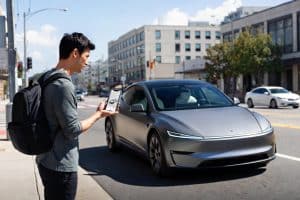
The concept of Robotaxis is not just a futuristic dream but a rapidly approaching reality. Tesla, a pioneer in electric vehicles and autonomous technology, is inching closer to achieving a fully autonomous fleet. Elon Musk’s announcement to remove Safety Drivers is a testament to the company’s confidence in its technology and a bold step towards reshaping public transport.
The Role of Safety Drivers
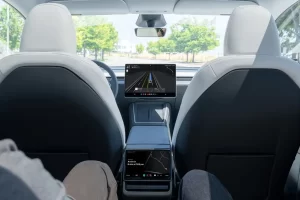
Currently, Safety Drivers play a crucial role in ensuring the safe operation of Robotaxis. These professionals are seated in the vehicles, particularly in urban areas like Austin and the Bay Area, to provide an additional layer of safety during the initial operational phases. While Safety Drivers have drawn criticism from skeptics, they represent a necessary precaution during the nascent stages of this technology’s implementation.
The Roadmap for Transition
Elon Musk has laid out an ambitious timeline to eliminate Safety Drivers by the end of the year. This decision underscores Tesla’s commitment to advancing autonomous technology without being bogged down by reliance on human oversight. For this bold step, Tesla has focused on refining its AI systems, enhancing sensor capabilities, and optimizing route algorithms to ensure the seamless and safe operation of Robotaxis.
Addressing Safety Concerns
Safety remains a critical component of this journey toward autonomy. Critics have been vocal about potential risks, citing concerns about technological malfunctions and safety lapses on the road. Tesla, however, has consistently reiterated its commitment to safety. The company has implemented robust safety protocols and continuous monitoring systems to ensure that autonomy does not come at the cost of rider well-being.
Tesla’s Safety Protocols
- Advanced AI and Machine Learning: Tesla’s AI systems are at the heart of its Robotaxi technology, enabling vehicles to make real-time decisions that mimic human judgment.
- Redundant Systems: To counteract potential failures, Tesla has equipped its vehicles with redundant hardware and software systems that act as safeguards.
- Regular Software Updates: Tesla’s vehicles receive over-the-air updates, ensuring the latest improvements in safety and performance are seamlessly integrated.
The Bigger Picture: Expanding Robotaxis Across America
Tesla’s vision for Robotaxis extends far beyond just a single city. By the end of the year, Musk envisions a network capable of serving half of the U.S. population. This expansion marks a significant leap in making autonomous vehicles an integral part of daily commuting, reducing traffic congestion, lowering emissions, and fostering a more sustainable urban future.
The Future of Urban Mobility
As Tesla continues to break barriers, the advent of Robotaxis in cities means:
- Reduction in Traffic Woes: Fewer cars on the road, optimized by intelligent route planning, can alleviate traffic.
- Eco-friendly Commutes: Reduced emissions contribute to cleaner air in urban areas.
- Cost-Effective Transport: With the removal of human drivers, operational costs could decrease, potentially translating into lower fares for passengers.
Elon Musk’s bold declaration to eliminate Safety Drivers marks an exciting chapter in autonomous vehicle development. As Tesla strides forward, the implications for urban transportation, environmental sustainability, and technological advancement are profound, reflecting a future where driveable innovation meets everyday practicality.