
 Gary Zhou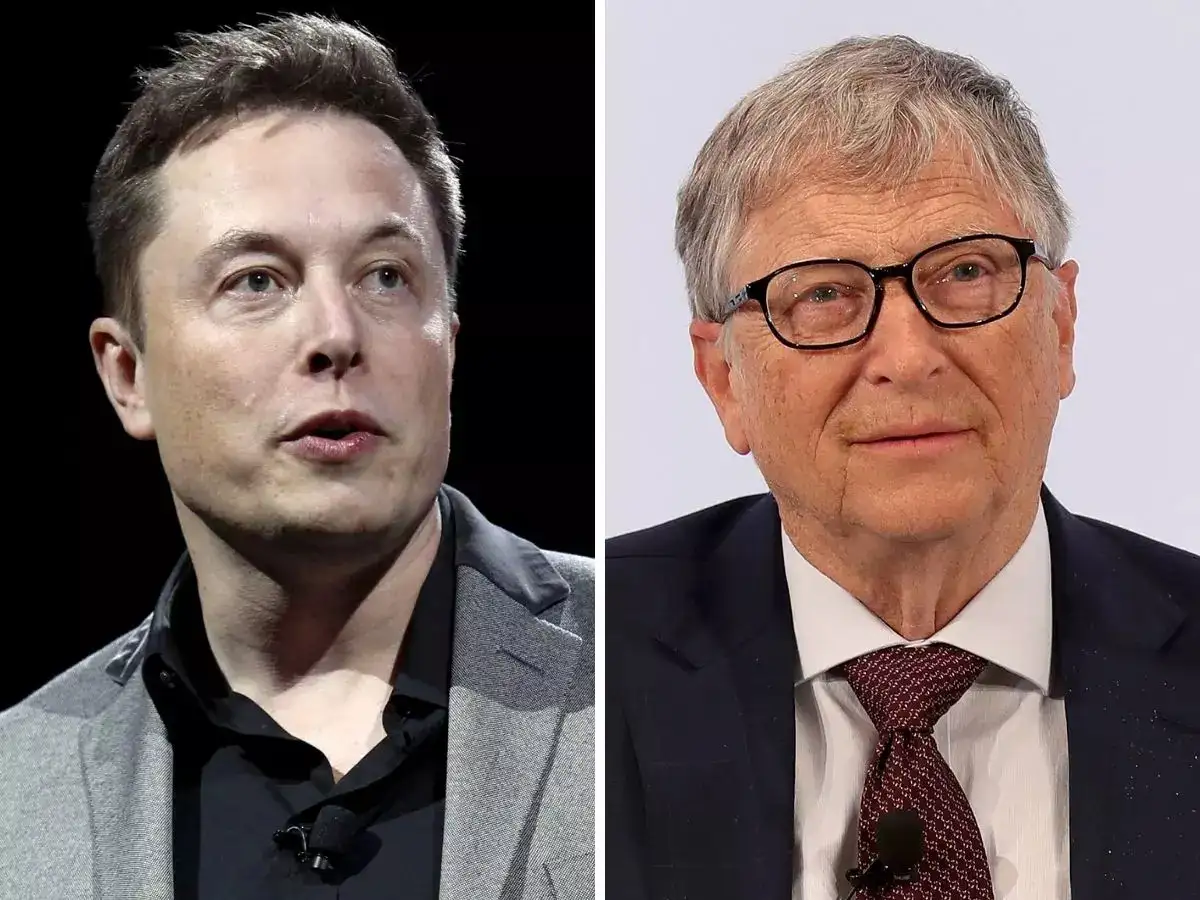
Key Takeaways
- Elon Musk warns Bill Gates to close his short position on Tesla or face consequences.
- Gates shorted Tesla stock for $500 million, betting on its decline, but shares have surged recently.
- Musk and Gates previously explored philanthropic opportunities but have a strained relationship due to Gates’ short position.
- Despite legal setbacks, Musk’s compensation package is tied to Tesla’s ambitious growth goals, approved by most shareholders.
- Gates Foundation recently sold a significant portion of its Microsoft shares, indicating possible shifts in financial strategy.
In the multi-billion-dollar landscape of tech and investment, few rivalries have captured public attention quite like that between Tesla CEO Elon Musk and former Microsoft leader Bill Gates. Recently, Musk issued a stark warning to Gates regarding his short position on Tesla stocks, indicating potential consequences if Gates continues his bet against Tesla’s success. This blog post delves into the intricate details of their financial and professional relationship, explores the impact of Tesla’s performance on Gates’ investment strategy, and provides insight into Musk’s shareholder-driven achievements.
The Musk-Gates Financial Showdown: A Timeline
A History of Skepticism and Investment
- Bill Gates’ Tesla Short Position: Gates has held a short position on Tesla stock, betting $500 million against the company in hopes of profiting from a drop in its value. This financial maneuver underscores Gates’ skepticism about Tesla’s market durability and future prospects. However, with Tesla’s shares surging significantly over recent years, this positioning now faces substantial risk.
- Musk’s Direct Warning: In a move revealing more than just financial strategy, Elon Musk has directly addressed Gates, urging him to reconsider his stance. The warning hints at potentially severe repercussions for Gates should Tesla continue its upward trajectory unimpeded.
The Surge of Tesla Stocks
- Tesla’s Outstanding Performance: Over the past year, Tesla’s stock price has seen an increase of over six percent, contributing to a remarkable spike of nearly 150 percent in the past five years. This growth trajectory not only challenges Gates’ short-selling expectations but also strengthens Musk’s leadership reputation.
Philanthropy Amidst Rivalry
Exploring Failed Collaborations
- Previous Attempts at Collaboration: At a time when both figures explored potential philanthropic collaborations, Gates admitted to holding the short position. While mutual interests in global betterment seemed like a common ground, the financial rivalry overshadowed any potential partnership.
- Philanthropy and Strategic Investment: It’s noteworthy how personal bets and finances might influence philanthropic outlooks. Gates’ sale of a large portion of Microsoft shares also suggests a significant pivot in financial strategy, potentially freeing up resources for other ventures or causes.
Musk’s Triumphs and Shareholder Trust
- Compensation Package and Shareholder Trust: Despite past legal issues, Musk’s compensation package aligns with ambitious growth goals for Tesla. With a staggering 76.6 percent shareholder approval, Musk’s strategic prowess in steering Tesla toward more innovative ventures strengthens investor confidence.
- Future Industry Disruptions: Musk’s declarations at the Annual Shareholder Meeting indicated future projects poised to disrupt multiple industries. These pointed remarks reveal an intention not merely to sustain Tesla’s growth but to fundamentally reshape market expectations across sectors.
Analysis and Opinion
The Broader Implications of Tech Rivalries
In examining this Musk-Gates face-off, several broader economic and philosophical implications arise:
- Impact on Investor Psychology: Public rivalries at such high-stakes levels influence general investor behavior and decisions, often leading to a polarized market sentiment that could affect stock volatility.
- Strategic Shifts in Foundations: As seen with the Gates Foundation’s sales, titans of industry may pivot their investment strategies significantly, potentially as a hedge against losses or as preparation for new opportunities.
- Innovation vs. Skepticism: The contrasting stances highlight a broader discourse on innovation and market skepticism. Musk embodies the volatile potential of disruptive technology, while Gates represents a more conservative, perhaps cautious, approach to tech investment.
Navigating the intricate financial and professional dynamics between Elon Musk and Bill Gates provides a fascinating glimpse into the complexities of modern tech leadership and investment. As Musk’s Tesla continues its astronomical ascent, Gates faces mounting pressure to adapt his strategies, highlighting the adroit dance of innovation and skepticism that defines today’s tech landscape.