 Gary Zhou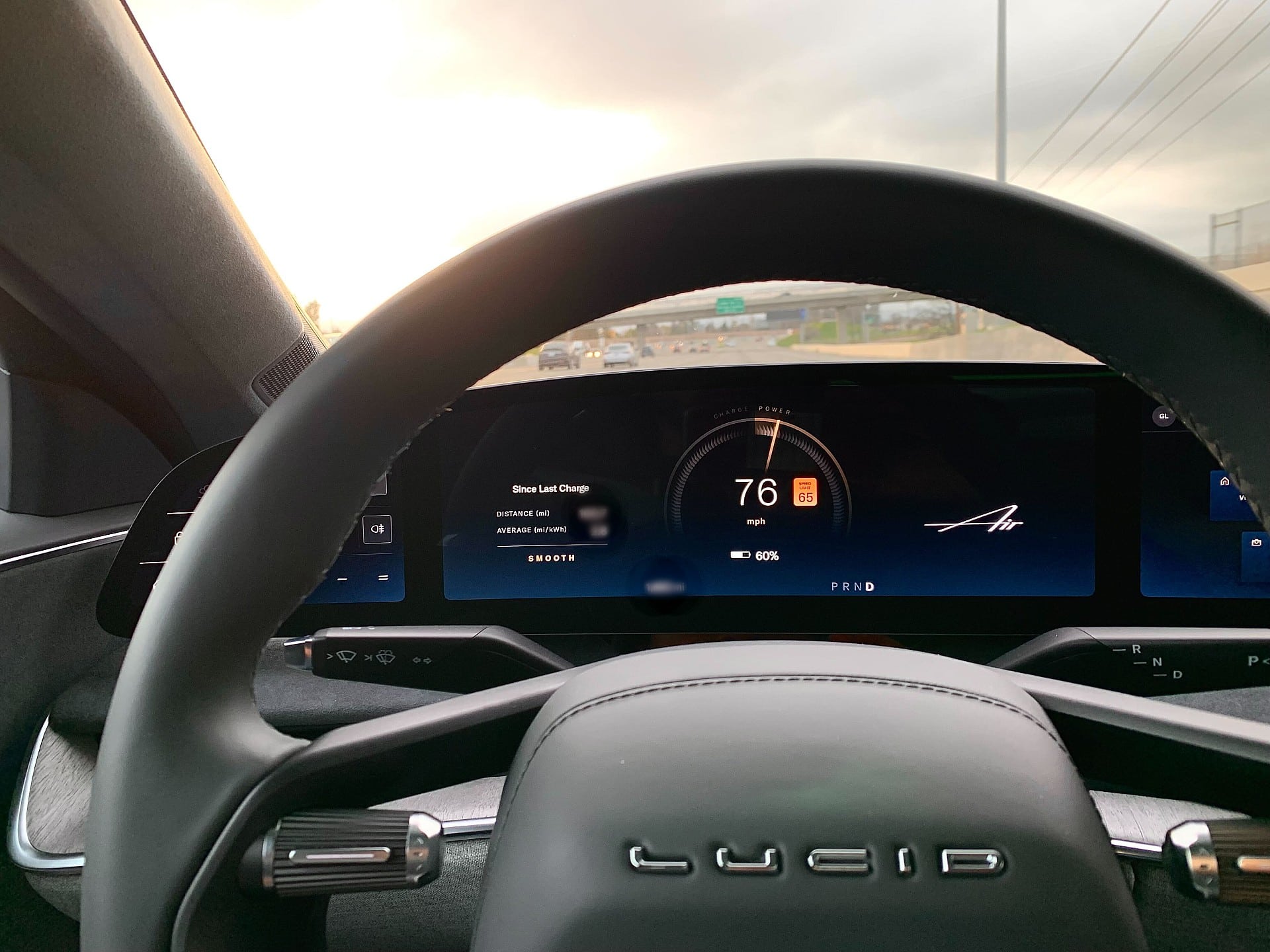
Key Takeaways
- Tesla owners are being targeted by other automakers with significant trade-in incentives.
- Lucid is offering a $4,000 trade-in allowance specifically for Tesla vehicles as part of their promotion.
- The rivalry between Elon Musk and Lucid’s former CEO, Peter Rawlinson, may be influencing these trade-in offers.
- The effectiveness of rival promotions to attract Tesla owners is still uncertain.
- Polestar is also actively seeking to lure Tesla drivers with trade-in offers amidst concerns over Musk’s political involvement.
In the dynamic world of electric vehicles (EVs), Tesla has undeniably been a leading force. However, as the EV market continues to expand, competitors are vying aggressively for a piece of Tesla’s customer base. This blog post delves into the strategies other automakers are employing to woo Tesla owners, with a particular focus on trade-in incentives and the influential rivalry between Elon Musk and Peter Rawlinson.
The Competitive Landscape: Offering Valuable Incentives
Why Target Tesla Owners?
Tesla owners represent a lucrative market for other automakers. They are often seen as tech-savvy, environmentally conscious, and interested in cutting-edge vehicles. Capturing this segment could bolster market share for rival brands, making the competition fierce.
Key Incentives Offered
- Lucid Motors’ Strategy:
- Lucid Motors is offering a $4,000 trade-in allowance specifically targeted at Tesla vehicles. The promotion appears to be a strategic move to attract those who might be considering switching brands.
- Polestar’s Approach:
- Polestar, a rising star in the EV sector, is also extending trade-in offers to Tesla owners. This comes amidst a backdrop of potential discontent among Tesla drivers with Elon Musk’s political stances and public engagements, such as his interest in Dogecoin (DOGE).
- Other Automakers:
- While Lucid and Polestar are at the forefront, several other auto brands use incentives as leverage to entice Tesla owners. These offerings underline a broader trend of aggressive marketing strategies in the EV industry.
The Influence of Rivalry: Musk vs. Rawlinson
A Personal Competition Turned Strategic
- The rivalry between Tesla’s Elon Musk and Lucid’s former CEO, Peter Rawlinson, adds an intriguing layer to the competitive landscape. Once collaborators on the Tesla Model S, their professional paths diverged, with Musk questioning Rawlinson’s claimed role as Chief Engineer. This rivalry may subtly influence Lucid’s competitive tactics, including its dedicated focus on Tesla-related promotions.
How Rivalry Shapes Marketing
- Lucid’s ongoing focus on wooing Tesla customers can be viewed through the lens of this personal dynamic. It raises questions about whether traditional competitive analysis or personal motivations are driving these strategic decisions.
Evaluating Success: Uncertainties and Opportunities
Measuring Effectiveness
- While these promotions sound enticing, the actual success rate of converting Tesla owners to other brands remains uncertain. Factors influencing this include brand loyalty, personal beliefs, and satisfaction with Tesla’s performance and innovation.
The Bigger Picture
- As the EV market grows, the true challenge for competitors is not just in offering attractive trade-in values but in providing equivalent or superior value, technology, and driving experience.
Final Thoughts
In the competitive EV market, securing a slice of Tesla’s user base is not just a matter of offering financial incentives. It involves understanding the complex interplay of individual rivalries, brand perception, and consumer values. As automakers like Lucid and Polestar continue to vie for Tesla’s customers, it will be fascinating to see how these dynamics evolve and influence the future of the industry.