 Gary Zhou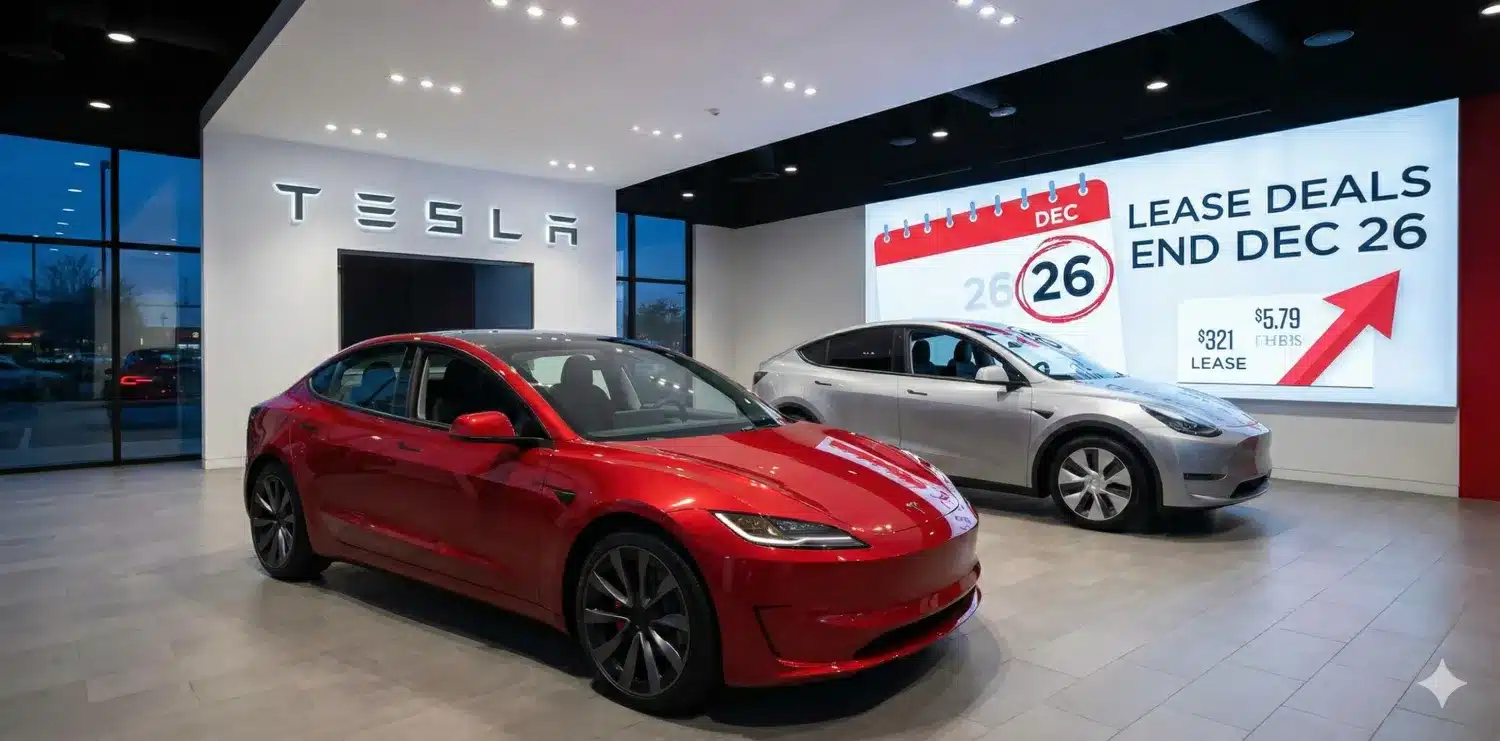
Key Takeaways
- Tesla is indicating that significant lease price increases will occur at the end of the month, with hikes up to 67%.
- Current aggressive lease pricing for models like the Model 3 is being subsidized and is not sustainable long-term.
- Buyers are pressured to take delivery before December 31 to avoid higher payments starting December 26.
- Lease prices are set to increase for several models, including 22% hikes for the Model Y.
- The Cybertruck is also seeing a notable price increase, although not as drastic percentage-wise.
- Experts warn this pricing strategy is an attempt to clear inventory amidst lower demand, hinting at potential future challenges for Tesla.
Tesla, a pioneer in electric vehicles, is once again making headlines, but this time it’s not for its innovative technology or futuristic designs. As we approach the end of the year, Tesla has announced substantial lease price increases, effective at the end of the month. These hikes could hit as high as 67%, signifying a potential shift in strategies for the automotive giant. In this blog post, we’ll dive deep into the implications of this move for consumers, and what it signals about Tesla’s future market strategies.
The Unprecedented Lease Price Hike
The lease price increases are not just minor adjustments; they are substantial.
- Model 3: The cost for leasing a Model 3, previously around $299/month with $1,500 down, could jump to $499/month with $3,000 down.
- Model Y: Known for being one of the best sellers, this model is not spared with a projected 22% increase.
- Cybertruck: The futuristic Cybertruck will also see a price increase, though not as stark in percentage terms as the others.
These new lease costs put significant pressure on potential buyers, especially those considering end-of-year deals to benefit from lower pricing before the increase takes effect on December 26.
Why the Drastic Shift?
Understanding the rationale behind these price increases requires looking at a few key factors:
- Inventory Management: The substantial reduction in lease costs over the past months was part of an aggressive strategy to clear inventories. By making leases incredibly affordable, Tesla effectively boosted demand and moved stock.
- Sustainability Issues: The low prices were heavily subsidized and unsustainable in the long run. Tesla, like any business, must eventually return to pricing models that ensure profitability.
- Market Demand: With a period of low demand, these temporary pricing strategies serve to quickly bolster sales figures at the expense of margins, ensuring a solid end to the fiscal year.
Impact on Potential Buyers
For current and future Tesla customers, these imminent price changes present several challenges:
- Urgency to Buy: Buyers are now in a rush to secure vehicles before December 31, when the less attractive prices kick in.
- Re-evaluating Options: The new lease pricing might lead consumers to reconsider their choices, evaluating whether Tesla’s offerings still provide the value perceived at lower price points, or if competitors might offer a better deal.
- Long-term Decisions: Decisions on leasing versus buying might shift as consumers scrutinize total ownership costs, especially as comparative analyses with traditional gas cars showcase different economic equations.
A Strategic Perspective
Looking at Tesla’s broader strategic landscape, this move could signify several things:
- Response to Competition: With emerging competition from companies like Rivian, particularly for models like the Model Y, Tesla is tightening its pricing to position itself effectively against growing challengers.
- Market Volatility: An increasing focus on core financial strategies might suggest that Tesla is safeguarding against potential reductions in market share, revenue, and margins.
Analyst Insights
Experts speculate that these pricing adjustments not only act as a revenue buoy but also highlight Tesla’s near-term strategic shifts. The introduction of new competitive models into the market places enormous pressure on Tesla’s sales performance, which these pricing strategies attempt to pre-emptively counter.
The Road Ahead
Ultimately, Tesla’s lease price hikes raise questions about vehicle affordability, market positioning, and future growth strategies. Consumers and market analysts alike will be watching closely to see how these changes impact Tesla’s market share and what this means for the competitive landscape of electric vehicles.