 Gary Zhou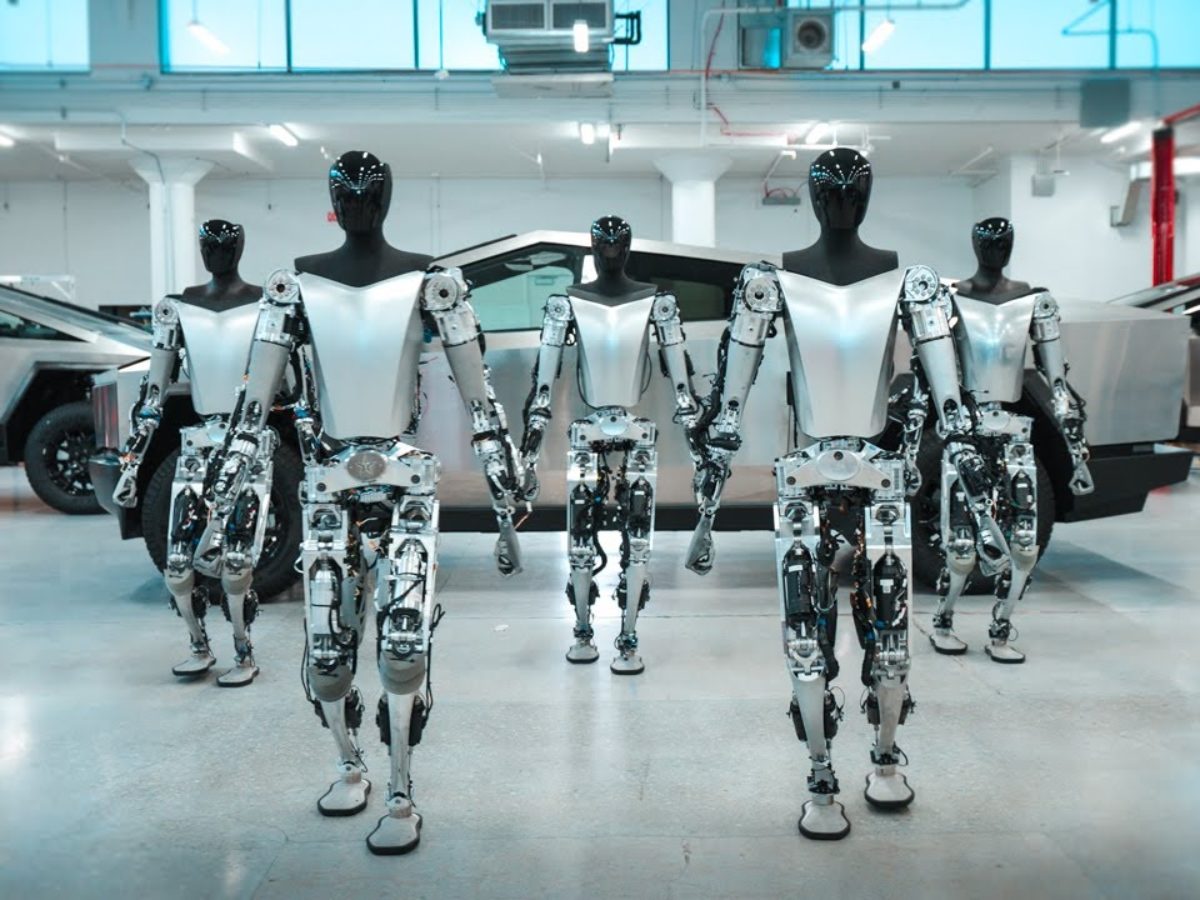
Key Takeaways
- Tesla could save $2.5 billion by replacing 10% of its workforce with Optimus robots, according to Morgan Stanley’s Adam Jonas.
- Tesla’s current employee count stands at 125,665, highlighting the scale of potential savings.
- Jonas expressed caution regarding Tesla Energy, noting flat battery storage deployments of 9.6 GWh versus expectations of 14 GWh.
- Elon Musk is considering launching a new political party, which could impact Tesla’s focus and stock performance.
- Investors may face further pressures on TSLA shares due to Musk’s political aspirations diverting resources.
In the ever-evolving world of automation and electric vehicles, Tesla stands at the forefront of innovation. Recently, a Morgan Stanley report by analyst Adam Jonas unveiled a potential breakthrough in cost-saving measures for Tesla, one of the world’s leading electric vehicle manufacturers. According to the report, Tesla could achieve significant financial savings by integrating its humanoid robot, Optimus, into the workforce. This blog post analyzes the implications of this strategy and its potential impact on Tesla’s operational dynamics.
Potential Savings with Optimus Robots
Morgan Stanley’s analysis offers a glimpse into the transformative potential of automation in the automotive industry. By replacing just 10% of Tesla’s workforce with Optimus robots, Tesla could save approximately $2.5 billion. This estimation considers the net present value (NPV) of $200,000 assigned to each robot. Considering Tesla’s current employee count of 125,665, this shift towards automation could drastically reduce labor costs, allowing the company to allocate its resources more strategically.
Why Optimus?
Optimus represents Tesla’s vision of a sustainable and efficient future. Designed to perform tasks that are often repetitive or hazardous, Optimus has the potential to optimize operational efficiency while reducing human risk factors. This transition not only promises financial benefits but also aligns with Tesla’s commitment to groundbreaking technological advancements.
Caution Flags from Tesla Energy
While the prospect of savings is enticing, Jonas also signaled caution regarding Tesla Energy, the energy storage arm of the business. Despite expecting an increase, battery storage deployments remained flat at 9.6 GWh compared to the anticipated 14 GWh. This stagnation suggests potential hurdles that Tesla needs to address to meet its energy storage goals, an essential component of Tesla’s long-term strategy to foster renewable energy solutions.
The Political Dimension: Musk’s New Ambitions
Beyond the financial aspects, Tesla’s journey is intertwined with the dynamic arena of Elon Musk’s political ventures. Recently, Musk hinted at establishing a new political party in the United States. Despite denying rumors of an official filing, this move could have significant implications for Tesla. Analyst Jonas warned that Musk’s political ambitions might divert attention and financial resources away from Tesla’s core operations, potentially affecting stock performance and operational focus in the short term.
Implications for Investors
Near-Term Pressures
Investors should brace for the possibility of near-term pressures on Tesla’s stock (TSLA), driven by Musk’s political pursuits and the strategic integration of Optimus. The impact on investor sentiment could hinge on the perceived ability of Tesla’s management to balance these competing interests effectively.
Future Prospects
Despite the challenges, the integration of Optimus robots represents a long-term opportunity for growth and innovation. As Tesla continues to navigate through political complexities and energy sector stagnation, its focus on automation and advanced technology may offer a path to sustained financial and operational success.
Tesla’s move towards automation with Optimus robots illustrates the complexities and potential of integrating advanced AI into a global workforce. While Elon Musk’s political interests could introduce volatility, the core emphasis on leveraging technology for operational savings and advancement holds promising potential. As Tesla progresses, it will be crucial for stakeholders to monitor how these strategic decisions unfold, impacting both the company’s future and the broader automotive industry.