 Gary Zhou
Key Takeaways
- A man in Mesa, Arizona, was sentenced to five years in federal prison for a politically motivated arson attack on a Tesla dealership.
- Ian William Moses, 35, pleaded guilty to five counts related to setting fire to a Tesla vehicle and location in April 2025.
- The arson not only destroyed a Tesla Cybertruck but also endangered first responders, triggering mandatory sentencing under federal arson laws.
- Restitution for damages will be determined at a hearing scheduled for April 13, 2026.
- U.S. Attorney Timothy Courchaine emphasized the seriousness of the crime and stated that arson has no place in American politics.
- Maricopa County Attorney Rachel Mitchell reiterated that violence and intimidation are unacceptable, and that such actions are crimes, not protests.
When tensions run high in the political landscape, sometimes the decisions of a few can ignite much more than just passionate debates. Such was the case with the incident involving Ian William Moses in Mesa, Arizona. This blog post delves into the details of the incendiary act, its legal repercussions, and the community’s response. We’ll explore the societal implications and why this case marks a crucial point of discussion on politicized crimes.
Understanding the Incident
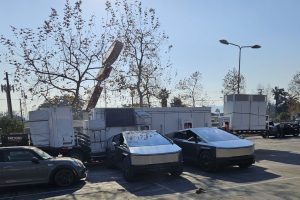
In April 2025, Ian William Moses took drastic measures by setting fire to a Tesla dealership in Mesa, Arizona. This wasn’t just an act against automobiles; it represented a broader political animosity. His actions culminated in the destruction of a Tesla Cybertruck, putting lives at risk, including those of first responders. The severity of the crime led to his sentencing of five years in federal prison, as arson is strictly penalized under federal laws when it endangers lives.
The Crime Scene
Surveillance footage captured a critical timeline – Moses arriving at the dealership with a gasoline can and backpack in the early hours. His method was planned as he used fire starter logs and gasoline to fuel the blaze. The arsonist’s impromptu getaway on a bicycle didn’t last long; he was swiftly apprehended by Mesa police just a short distance away.
Legal Repercussions and Sentencing
Ian William Moses pleaded guilty to five counts, acknowledging his role in the politically fueled arson. The legal system has no leniency for such perilous actions, as emphasized by U.S. Attorney Timothy Courchaine. The mandatory five-year sentence serves as a clear indication of how seriously such crimes are taken.
- Federal Arson Laws: These laws are stringent especially when public safety is compromised, stipulating rigorous sentences due to the potential for widespread harm.
- Restitution and Compensation: As Moses awaits his sentencing hearing for damages, it raises questions about accountability and financial restitution for impacted businesses.
Political Crimes and Public Response
The case brings to light the grave concerns surrounding politically motivated violence. Despite personal grievances, the misuse of violence is never justified as protest. Maricopa County Attorney Rachel Mitchell’s statements underline this, asserting the community’s right to safety and the zero-tolerance policy towards intimidation.
Community Sentiment
The arson attack shocked the Mesa community, sparking discussions around the boundaries of political expression. The social media spotlight, particularly around details like the misspelled “Theif” painted on the dealership’s wall, both ridiculed and intensified public discourse on political extremism.
Broader Implications and Reflections
In examining Ian William Moses’s actions and resulting punishment, this case acts as a stark reminder of the potential consequences of letting political differences erupt into criminal behavior. It opens up a discussion about:
- The role of political rhetoric in encouraging extremist actions.
- The responsibilities of community and law enforcement to prevent such crises.
- How restitution is determined for economically impactful arson crimes.
Ultimately, the Mesa incident serves as a warning and a lesson about the impermissible overlap between political dissent and criminal acts, reiterating the need for lawful methods of expression.